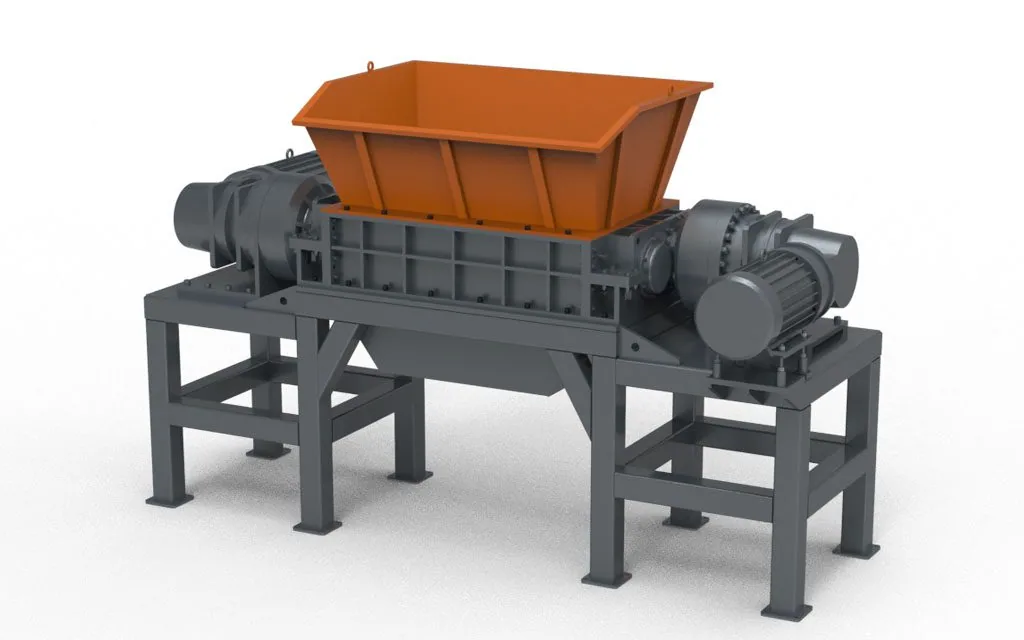
BoRay industrial shredder equipment

Industrial E-Waste Recycling Equipment

E-Waste Shredders for Secure Data Destruction and Recovery

Low-speed, high-torque shredders configured for electronic waste, PCBs, computers, servers, data-bearing devices, appliances, cables, and mixed electronic assemblies.

Data Destruction For hard drives, SSDs, computers, and IT assets.
Material Recovery For copper, aluminum, ferrous metals, plastics, and PCB fractions.
PLC Reverse For overload release during mixed electronic feeding.
Controlled Output For separation, refining, or further recycling.

Built for secure e-waste pre-processing

  • Physically destroys data-bearing devices and electronic assemblies before downstream handling.
  • Reduces complex e-waste into manageable fragments for magnetic, eddy-current, air, or manual separation.
  • Machine configuration is selected according to e-waste type, data security goal, feeding size, target output size, and recovery process.
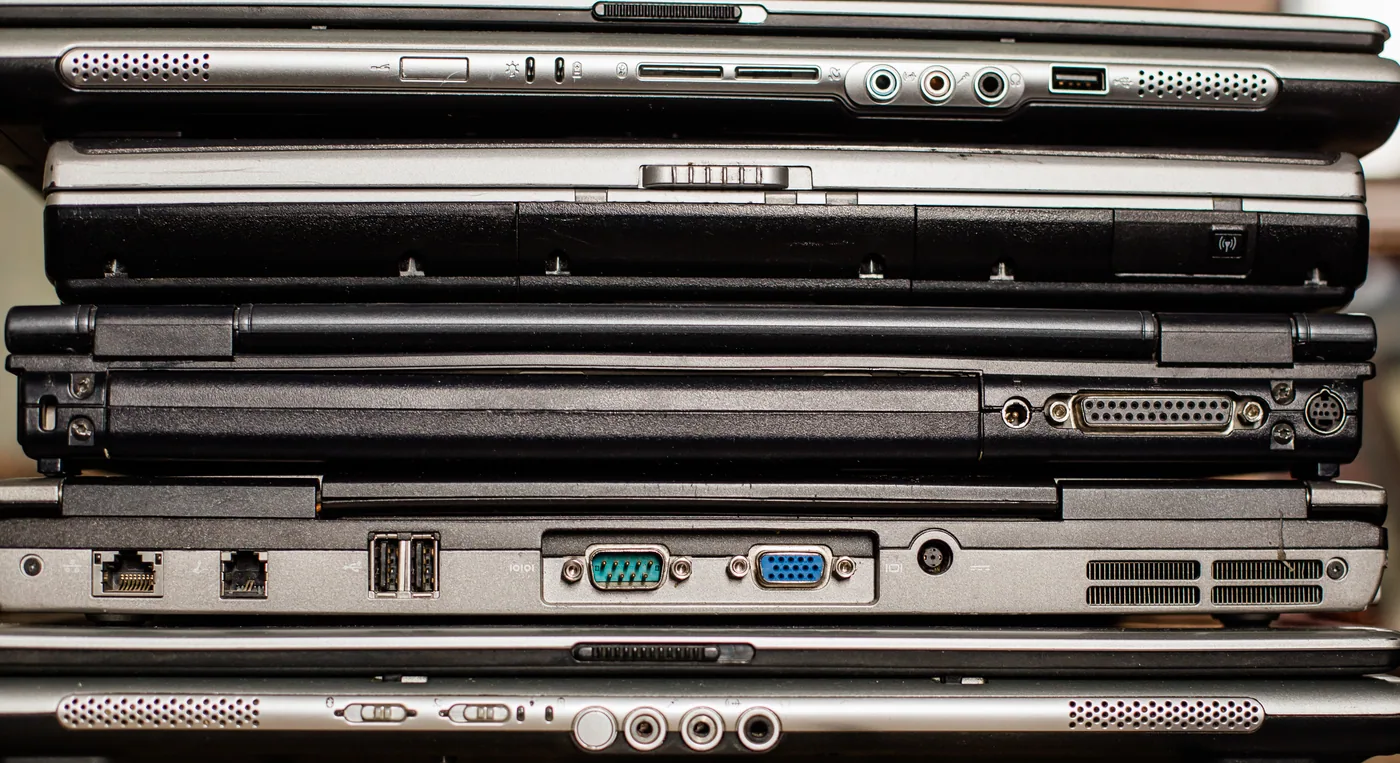
The Real Challenge

E-waste combines sensitive data, valuable metals, and complex material structures.

Electronic waste is not a simple bulky waste stream. Circuit boards, servers, laptops, storage devices, appliances, cables, and communication equipment may contain sensitive data, high-value metals, plastics, glass, batteries, and mixed assemblies.

For professional recycling and IT asset disposal operations, shredding must support two goals at the same time: irreversible physical destruction of data-bearing components and controlled size reduction for downstream material recovery.

Application Match

What e-waste can be processed?

Buyers should be able to quickly confirm whether their electronic scrap stream is suitable. The right configuration depends on material type, data security requirement, feed size, output size, and downstream recovery process.

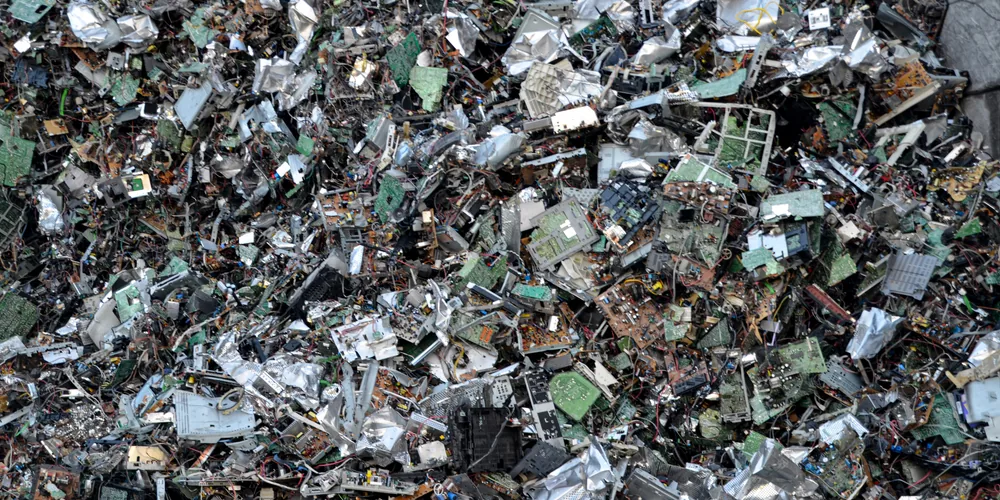
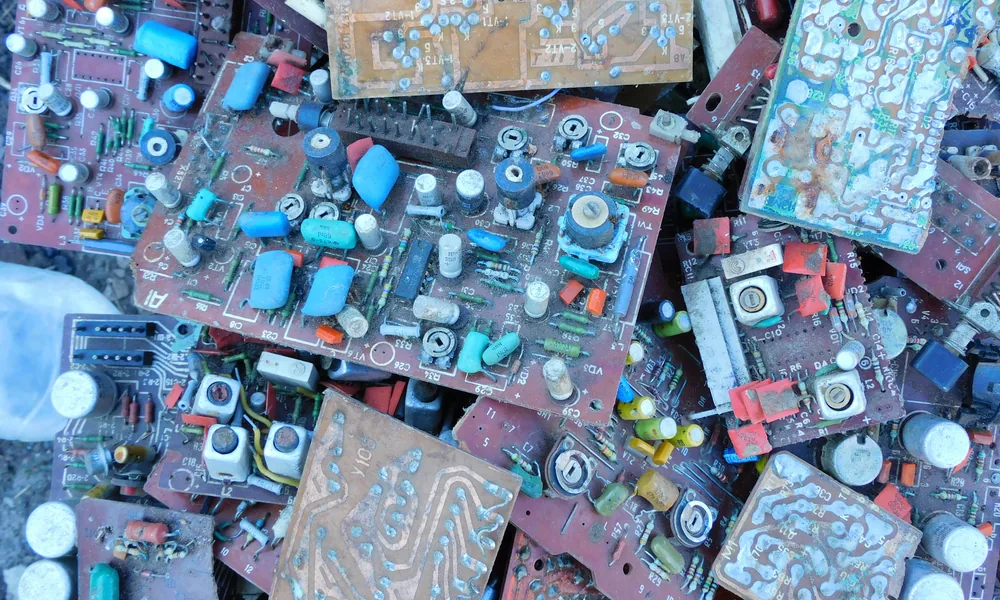
Circuit boards and PCBs for e-waste shredder processing

Circuit Boards & PCBs

For printed circuit boards from electronics, servers, communication equipment, and dismantling operations where size reduction supports metal and PCB fraction recovery.

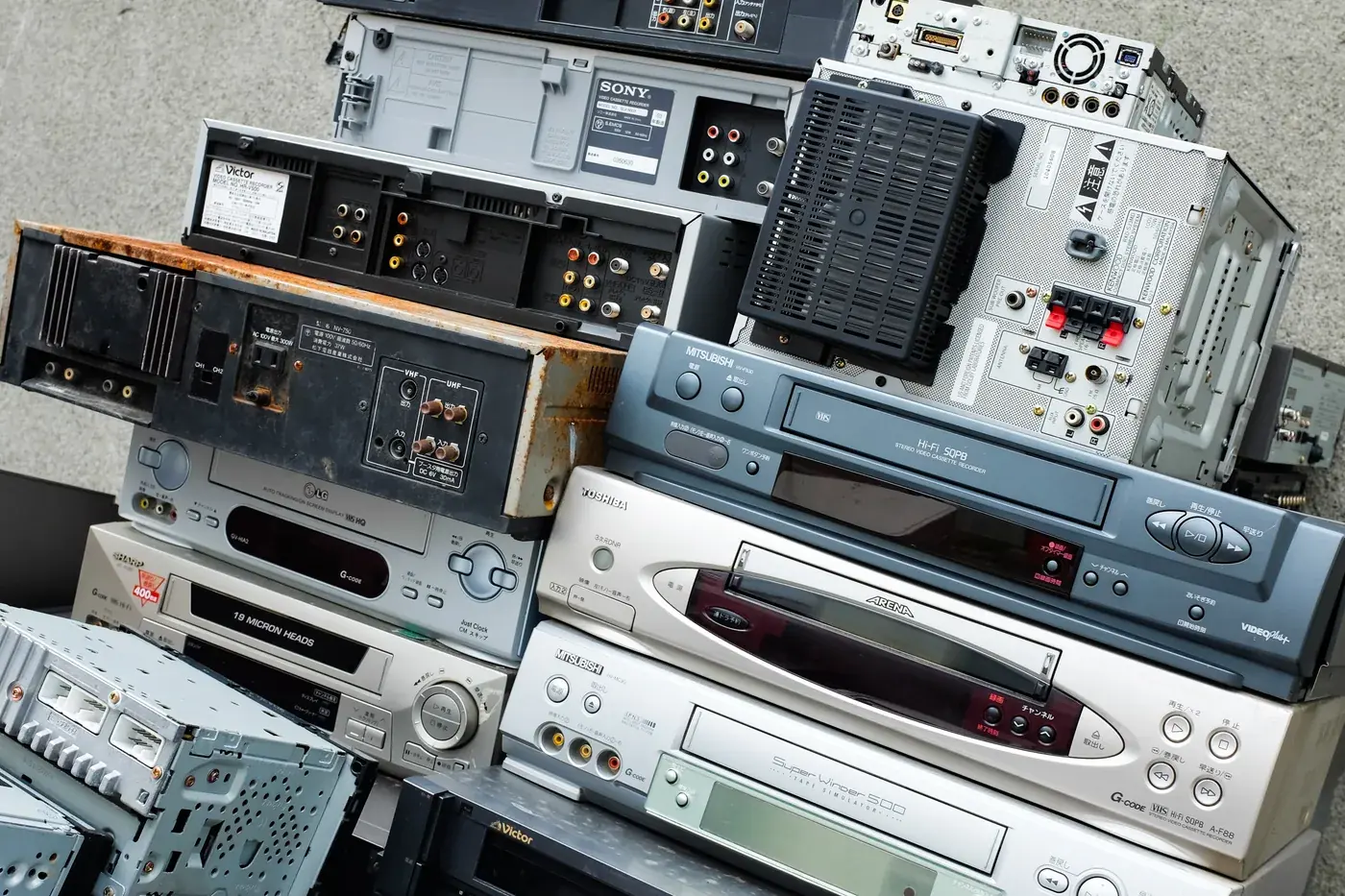
Waste computers and IT equipment for secure e-waste shredding

Computers & IT Equipment

For computers, laptops, servers, network equipment, and office electronics that require secure destruction and recycling pre-processing.

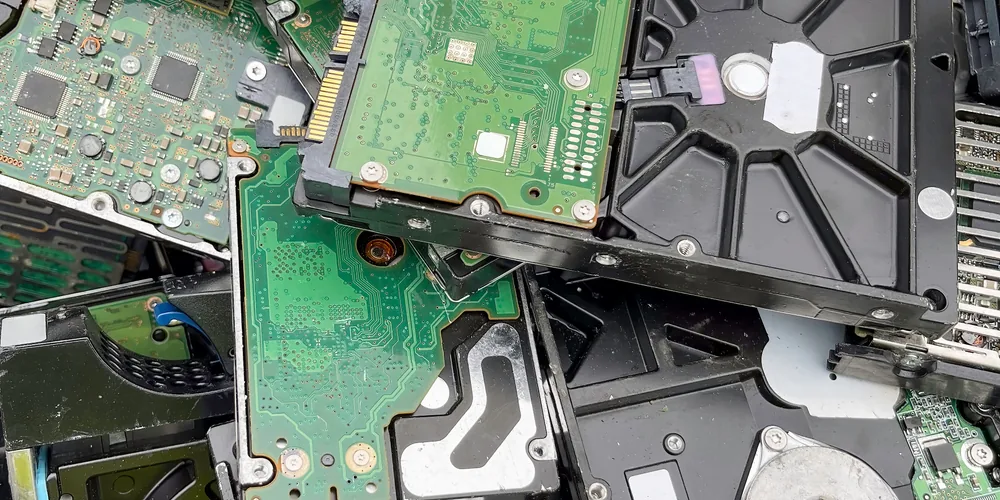
Data-bearing devices for secure physical destruction

Data-Bearing Devices

For hard drives, SSDs, storage devices, and data-bearing IT assets where physical destruction is part of the recycling or disposal process.

Household appliance scrap for e-waste shredder applications

Household Appliance Scrap

For selected small appliances and electronic housings that need primary size reduction before material separation.

Mixed electronic assemblies for e-waste recycling shredder

Mixed Electronic Assemblies

For mixed e-waste streams including housings, wiring, connectors, boards, and internal components from dismantling or collection operations.

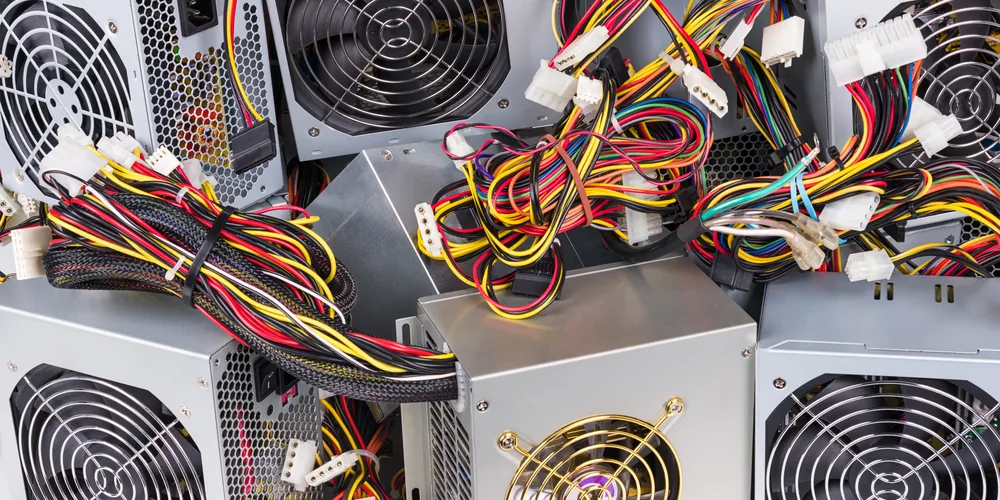
Cables connectors and electronic components for e-waste recycling pre-processing

Cables, Connectors & Components

For selected cable, connector, PCB, and component streams where shredding helps expose material layers for downstream recovery.

Business Value

What e-waste shredding helps you achieve

E-waste shredder selection should focus on practical project outcomes: data security, material recovery, controlled feeding, and recycling line readiness.

Support secure data destruction

Physical shredding destroys data-bearing hardware and reduces the risk of recoverable storage devices leaving the facility intact.

Prepare for metal recovery

Shredded e-waste can feed magnetic separation, eddy-current separation, air separation, screening, or refining processes more consistently.

Improve downstream separation

Controlled size reduction helps expose metal, PCB, plastic, and component fractions so downstream recovery equipment can work more effectively.

Reduce bulky electronic scrap

Computers, appliances, and mixed assemblies become easier to convey, store, transfer, and process after shredding.

Process Flow

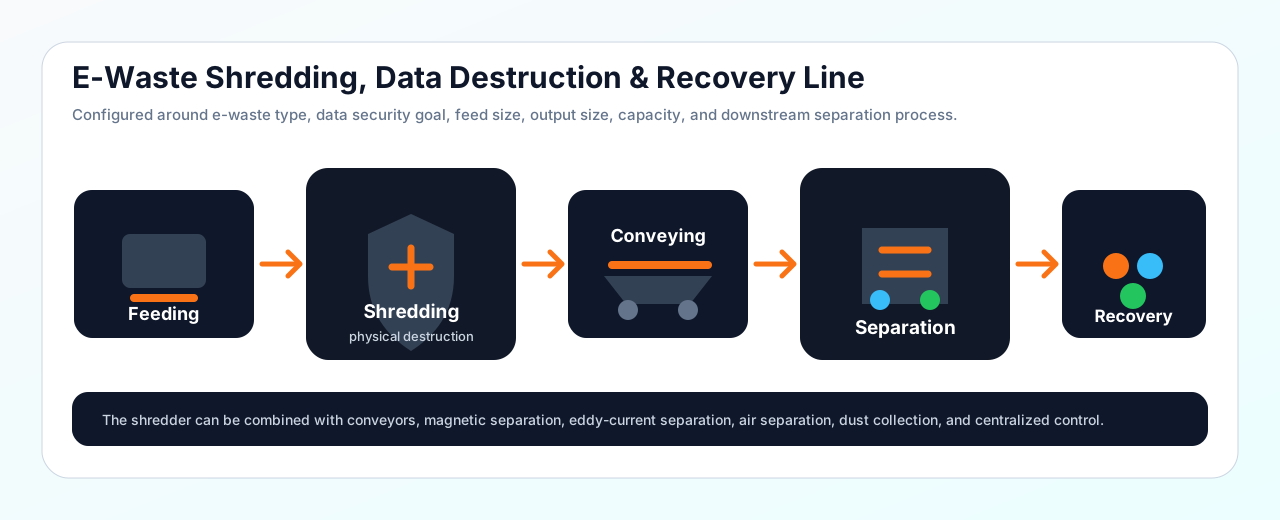
How e-waste shredding fits into a recycling line

The shredder usually works as the controlled destruction and pre-processing stage before metal separation, PCB recovery, plastic separation, refining, or further recycling.

E-waste shredding data destruction and material recovery line overview

Configured for destruction and recovery, not only size reduction

The final layout is selected according to e-waste stream, data security requirement, target fragment size, separation method, dust control requirement, capacity, and whether the project needs one shredder or an integrated recovery line.

01

Feeding

Electronic scrap is fed by conveyor, bin lifter, manual loading, or upstream dismantling line.

02

Secure Shredding

Low-speed, high-torque rotors physically destroy assemblies and data-bearing components.

03

Conveying

Shredded fragments are transferred to downstream separation and recovery equipment.

04

Separation

Ferrous metals, non-ferrous metals, PCBs, plastics, and fines can be separated by suitable systems.

05

Material Recovery

Recovered streams are prepared for refining, reuse, sale, or further recycling.

Secure Processing Design

Designed for controlled e-waste destruction and recovery

E-waste shredding places high stress on the rotor, screen or discharge system, drive system, chamber, dust control, and control logic. The equipment should be evaluated as a secure recycling configuration, not just a general waste shredder.

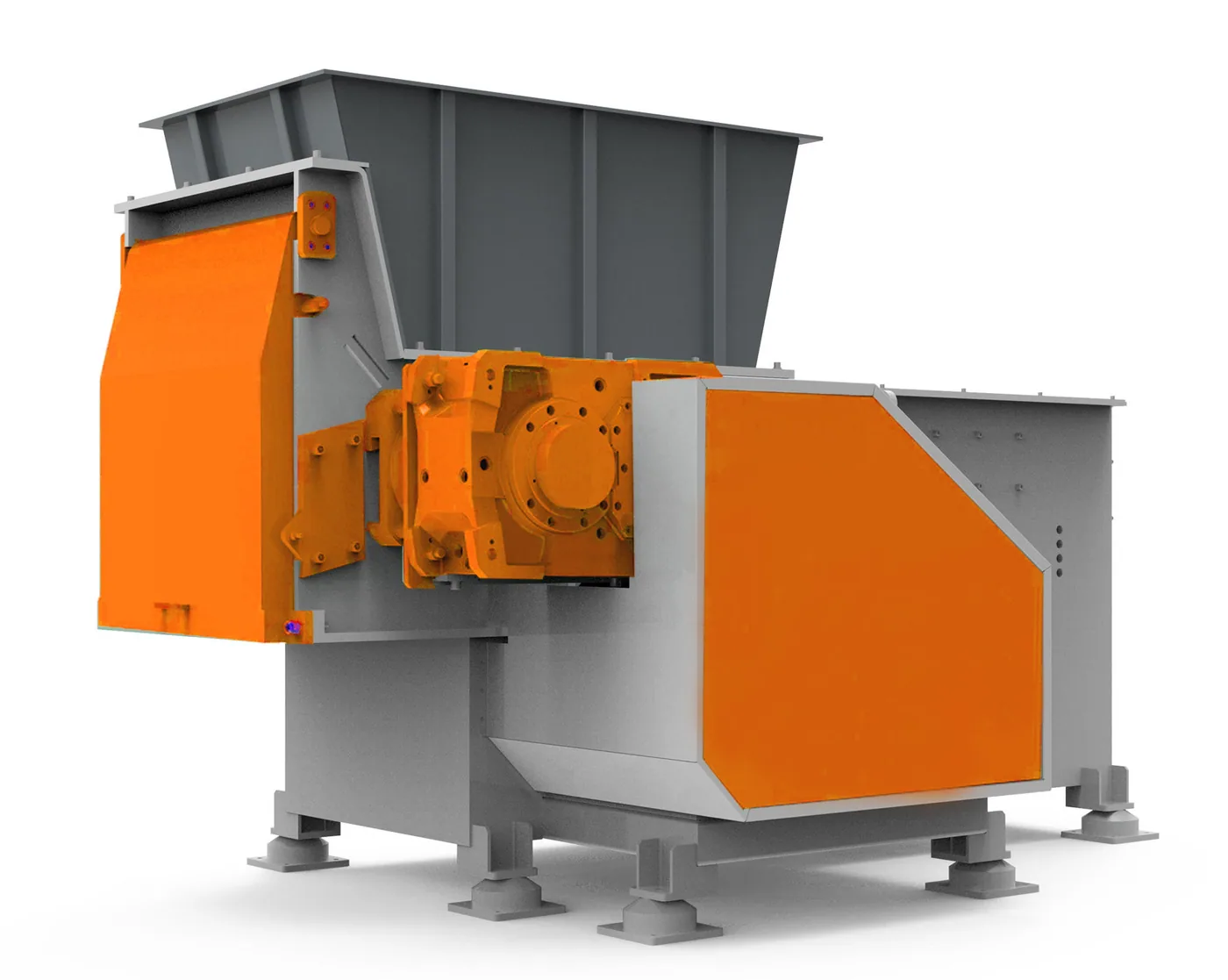
Single shaft e-waste shredder for secure data destruction

Core Structure

Secure Shredding Configuration

Controlled size reduction for data destruction and downstream separation

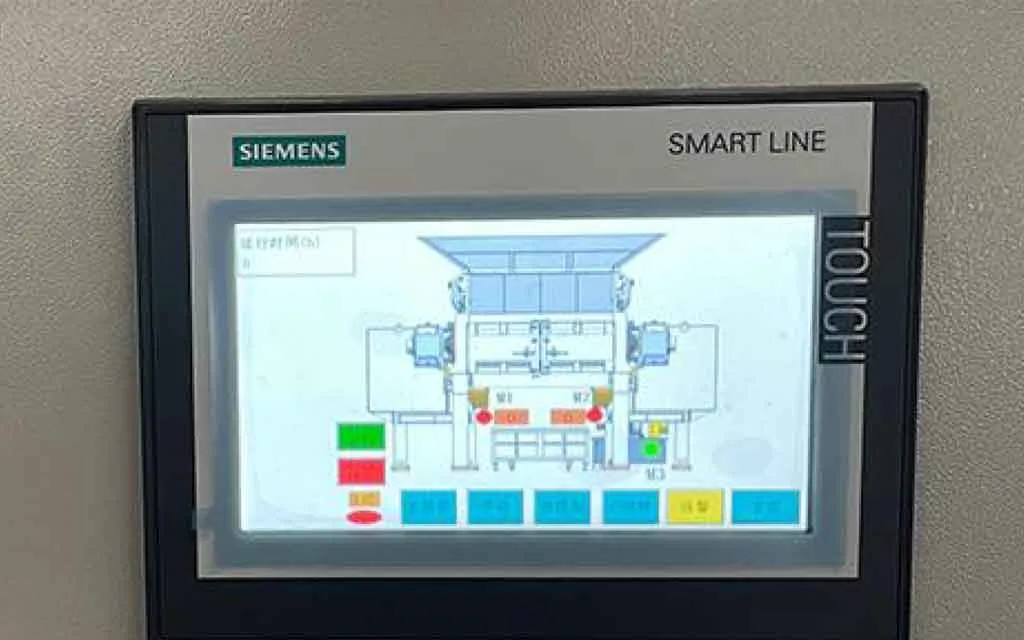
PLC control system for e-waste shredder overload protection

PLC Control System

Load monitoring and reverse control for mixed electronic scrap

E-waste shredding and separation line integration

Recovery Line Integration

Configured with separation and conveying systems

Secure physical destruction

Rotor and chamber configuration are selected to physically destroy storage media, IT assets, and electronic assemblies.

Controlled fragment size

Output requirements are evaluated according to data destruction goals and downstream separation or refining requirements.

High-torque, low-speed drive

Configured to process mixed electronics, housings, PCBs, wiring, and components under uneven feeding conditions.

PLC control with automatic reverse

The control system monitors load conditions and activates reverse when overload is detected, reducing manual intervention.

Dust and safety interfaces

Dust collection, feeding control, and safety interfaces can be considered according to site layout and material stream.

Separation line integration

The shredder can be integrated with conveyors, magnetic separation, eddy-current separation, air separation, screening, and centralized control.

Factory Evidence

Factory-built, checked, and prepared for delivery

Before choosing a tire shredder supplier, buyers need more than product photos. These workshop records show real manufacturing, assembly, and final checking, helping you confirm the factory behind the quotation.

Real workshop photos from production and assembly

Welding, assembly, and finished-machine checking

Configuration checked around your material and output target

Additional manufacturing details available in About

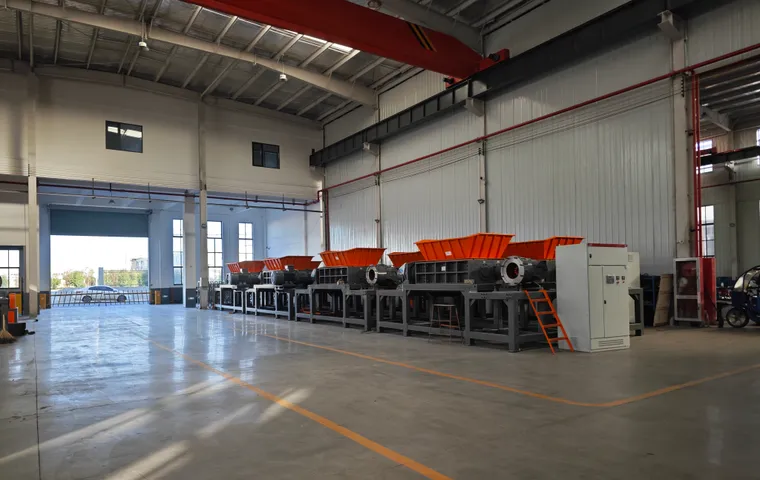
BoRay shredder factory workshop with industrial shredders in stock

Workshop stock and assembly area

Real factory floor with shredders under assembly and inspection.

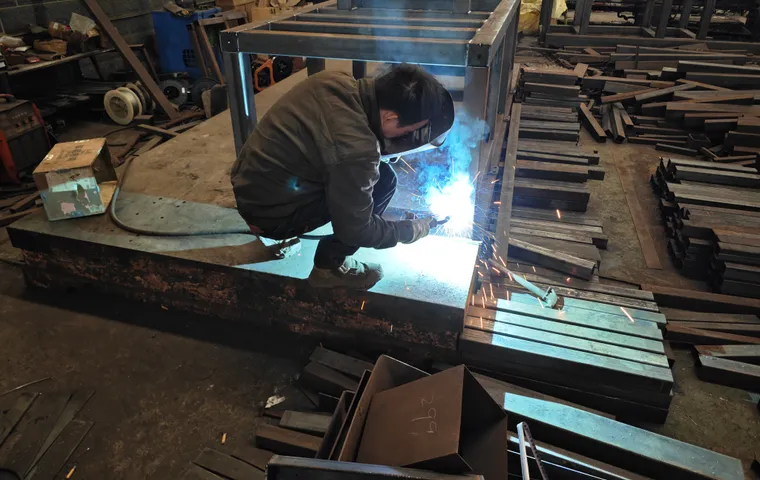
BoRay shredder frame welding and manufacturing process

Frame welding and fabrication

In-house fabrication work supports heavy-duty frame structure control.

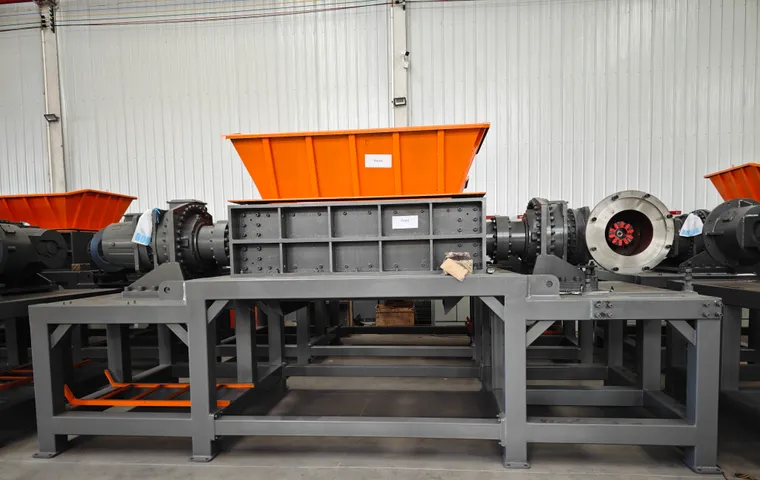
BoRay industrial shredder equipment assembled in factory

Completed shredder equipment

Finished machines are assembled and checked before project delivery.

Configuration Guide

Choose the right e-waste shredder type

For ad traffic, the first decision should be simple: use a single shaft shredder when controlled destruction and output size matter, or a double shaft shredder when bulky mixed electronics need primary size reduction. Data security and recovery lines are configured around that machine choice.

Single shaft e-waste shredder for controlled data destruction

For data destruction and output control

Single Shaft E-Waste Shredder

Recommended for IT equipment, PCBs, storage devices, and selected electronic scrap where controlled output size and physical destruction are required.

  • IT equipment
  • PCBs
  • Storage devices
  • Controlled output
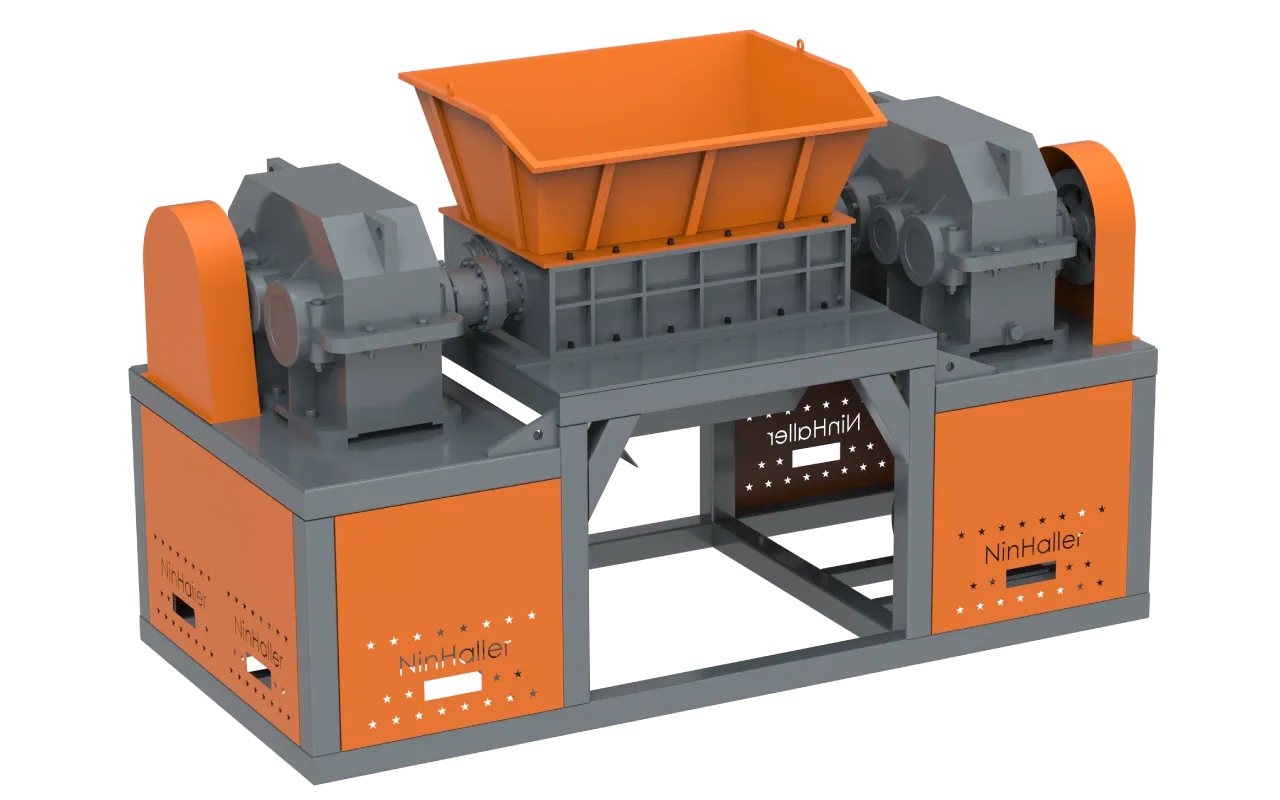
Double shaft e-waste shredder for mixed electronic assemblies

For bulky mixed electronics

Double Shaft E-Waste Shredder

Recommended for bulky or mixed electronic assemblies where strong tearing force and primary size reduction are needed before separation.

  • Mixed e-waste
  • Appliances
  • Bulky housings
  • Primary shredding

Output Direction

From electronic scrap to recoverable material streams

E-waste shredding prepares material for secure handling and downstream recovery. The final output depends on the selected shredder, target fragment size, and separation equipment.

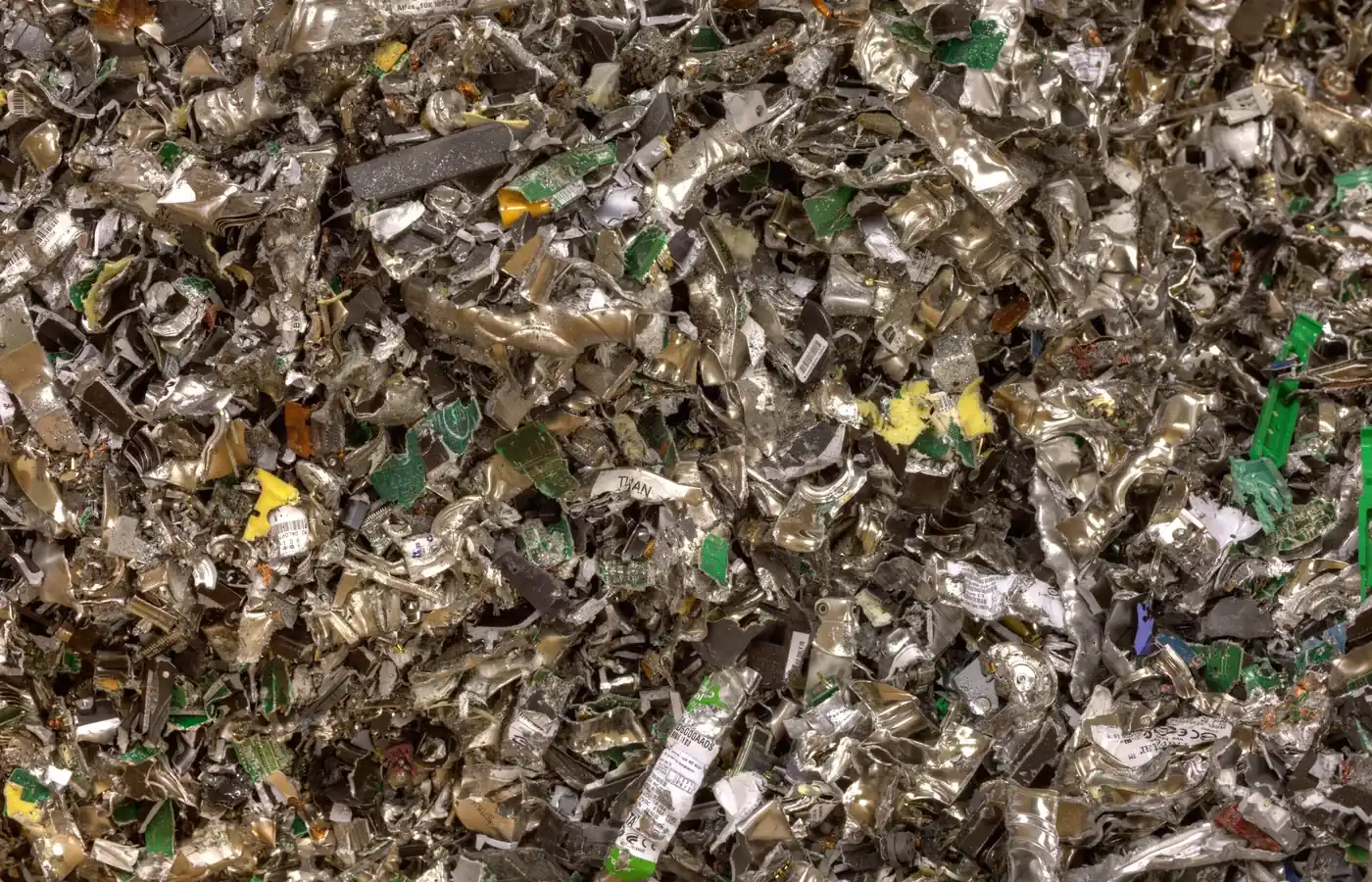
Shredded hard drives after secure data destruction

Secure Destruction

Destroyed Data-Bearing Hardware

Storage devices and IT equipment can be physically destroyed before downstream recycling or disposal.

Copper granules recovered from shredded cable recycling

Metal Recovery

Ferrous and Non-Ferrous Metals

Shredded material can support recovery of copper, aluminum, ferrous metals, and other valuable fractions.

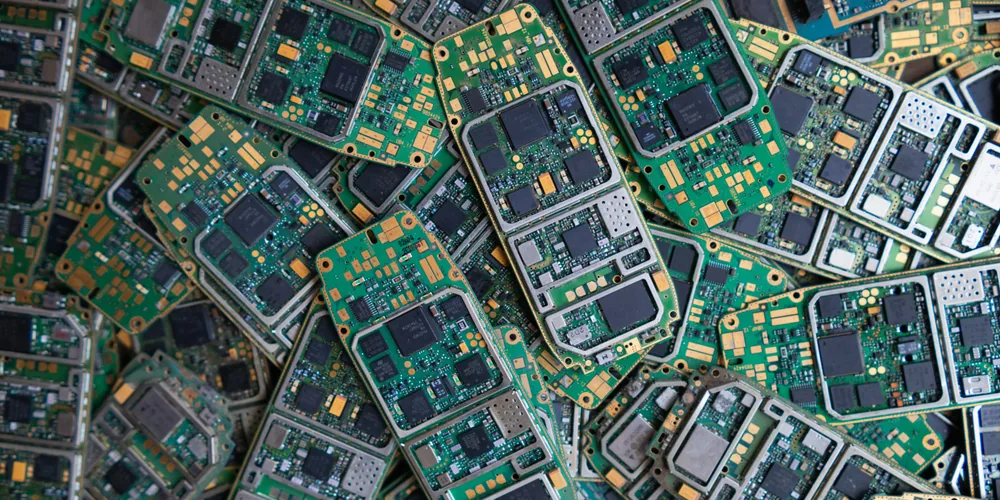
PCB and electronic component fractions for downstream recovery

PCB Processing

PCB and Component Fractions

Printed circuit boards and component-rich fractions can be prepared for further recovery or refining.

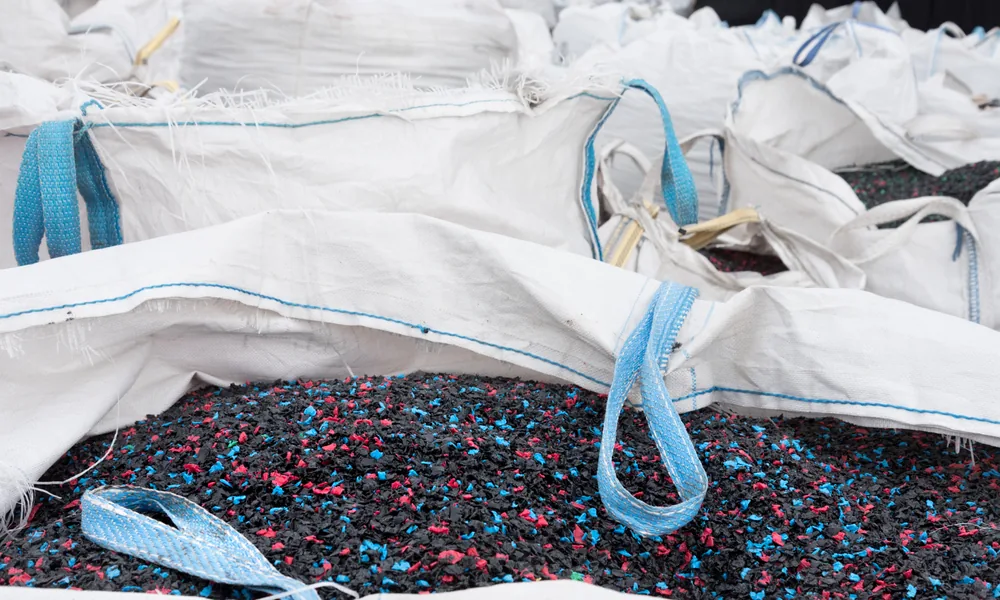
Shredded plastic and mixed fractions for downstream e-waste sorting

Downstream Sorting

Plastics and Mixed Fractions

Remaining plastics, housings, fines, and mixed fractions can be handled by downstream sorting or recycling systems.

01

After shredding

02

After separation

03

For circuit board recovery

04

For recovery line

Request a Quote

Send your e-waste details

Every e-waste project has different security and recovery goals. To recommend the right shredder or recycling line, we need to understand your material stream, output target, and downstream process.

  • E-waste type and photos or videos
  • Data destruction requirement
  • Feeding size and target output size
  • Required capacity and downstream separation process

Fields marked with * are required.

FAQ

Common questions from e-waste recycling buyers

What e-waste can an e-waste shredder process? +

An e-waste shredder can process PCBs, computers, laptops, servers, data-bearing devices, selected appliances, wiring, connectors, and mixed electronic assemblies. The suitable configuration depends on material type, feeding size, output target, data security requirement, and downstream recovery process.

Can shredding support secure data destruction? +

Yes. Physical shredding can destroy hard drives, SSDs, computers, and other data-bearing components. The required fragment size and documentation process should be evaluated according to your security standard.

Is a single shaft or double shaft shredder better for e-waste? +

A single shaft shredder is often used when controlled output size is important. A double shaft shredder may be recommended for bulky or mixed electronic assemblies where stronger pulling and primary tearing force are needed.

Can the shredder be integrated with separation equipment? +

Yes. The shredder can be integrated with conveyors, magnetic separation, eddy-current separation, air separation, screening, dust collection, and centralized control according to the recovery goal.

What affects e-waste shredder capacity? +

Capacity is affected by e-waste type, feed size, metal content, data destruction target, output size, feeding method, rotor configuration, and working hours. Mixed electronics usually require careful configuration and feeding control.

What information is needed for a quotation? +

Please provide e-waste type, photos or videos, feeding size, security requirement, target output size, required capacity, working hours, downstream separation process, and whether you need one shredder or an integrated recycling line.

Need an e-waste shredder for your recycling project?

Send us your e-waste type, data security goal, feeding size, target output size, and required capacity. Our engineers will help evaluate the suitable e-waste shredder configuration for your project.

Request an E-Waste Shredder Quote