What tires can a tire shredder process? +
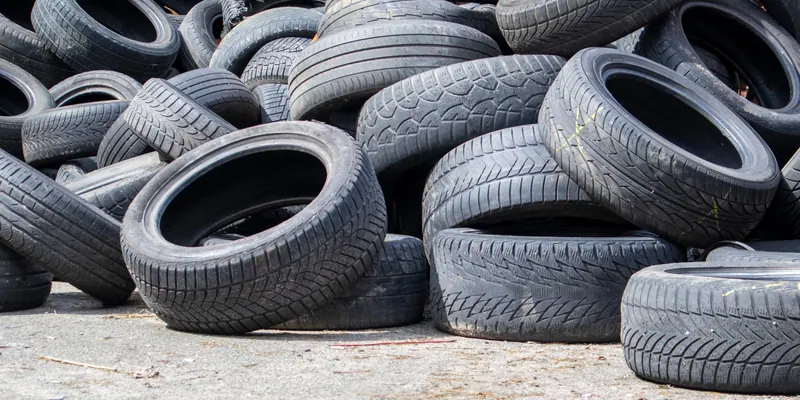
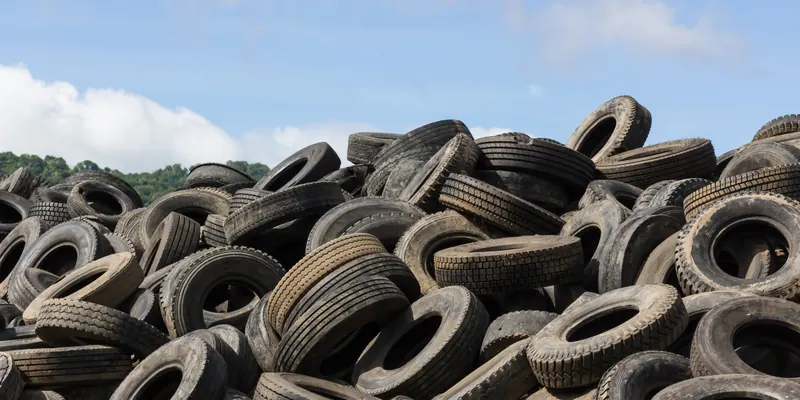
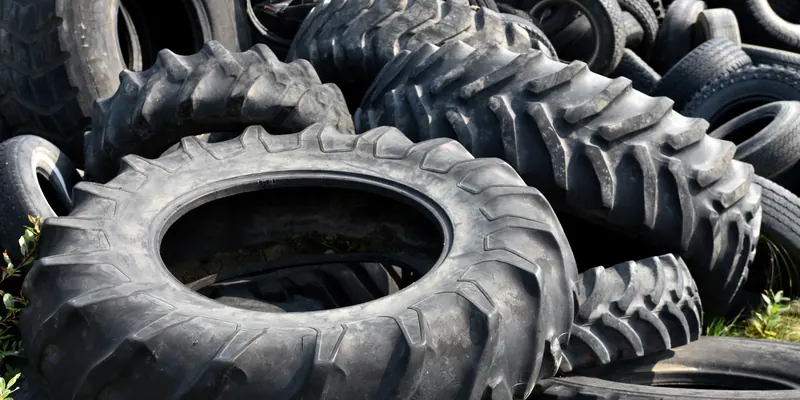
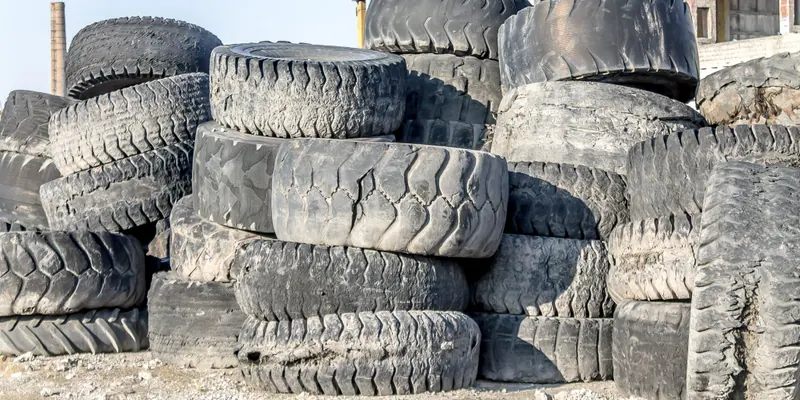
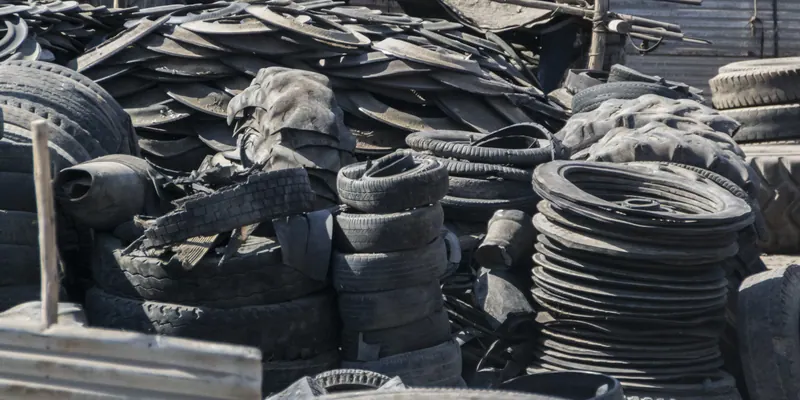
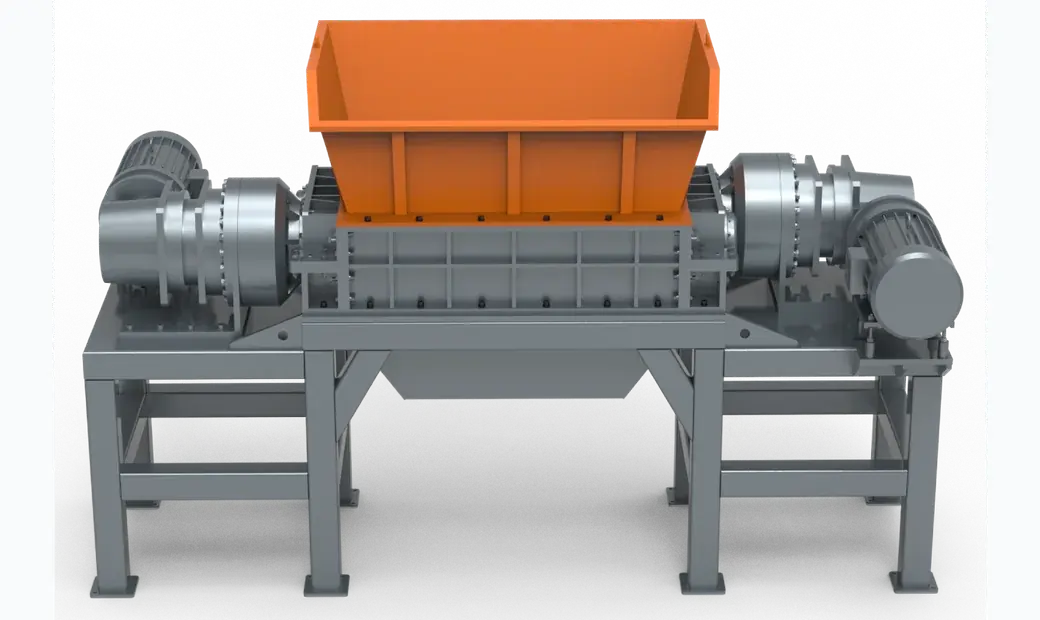
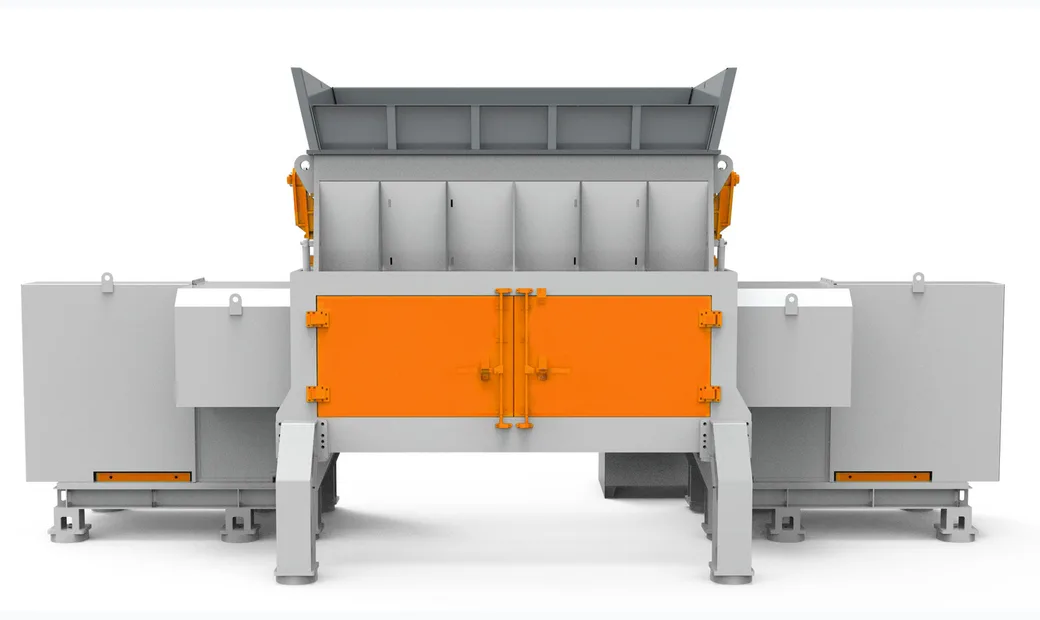
A tire shredder can process passenger car tires, truck tires, agricultural tires, tractor tires, selected OTR tires, forklift tires, industrial tires, and mixed waste tire streams. The suitable configuration depends on tire size, tire structure, steel content, feeding method, required output size, and processing capacity.
Can the shredder process whole tires? +
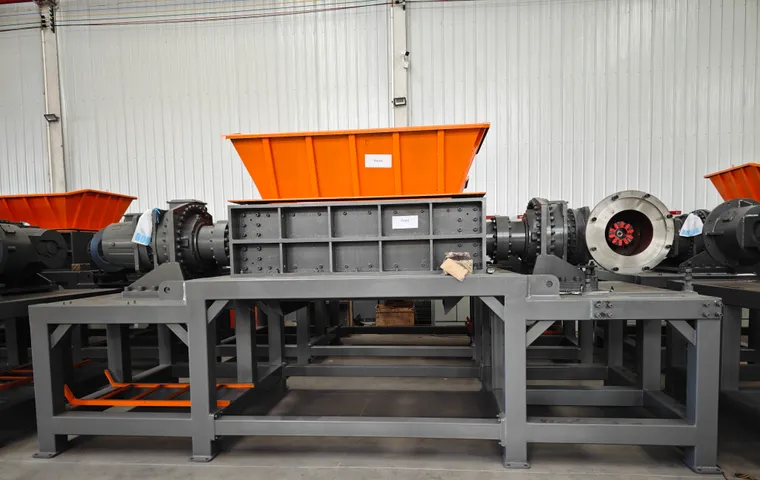
Yes. A primary tire shredder is commonly used for whole tire size reduction. Larger tires such as truck tires or selected OTR tires should be evaluated according to diameter, thickness, steel content, feeding method, and required output size.
What are the outputs of tire shredding? +
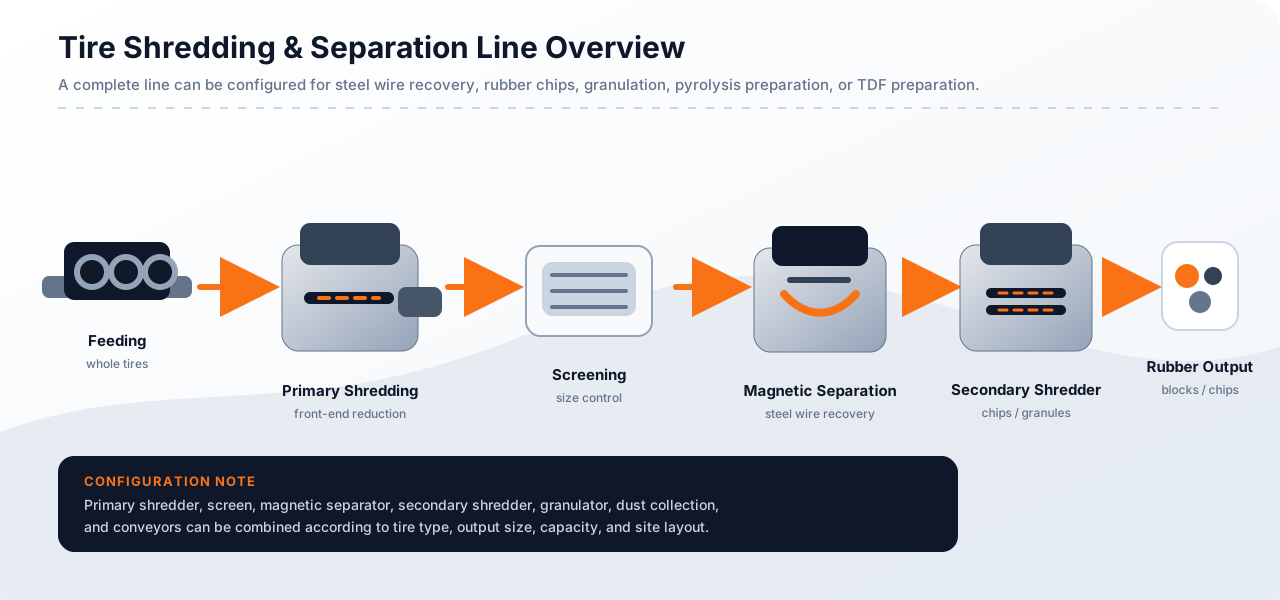
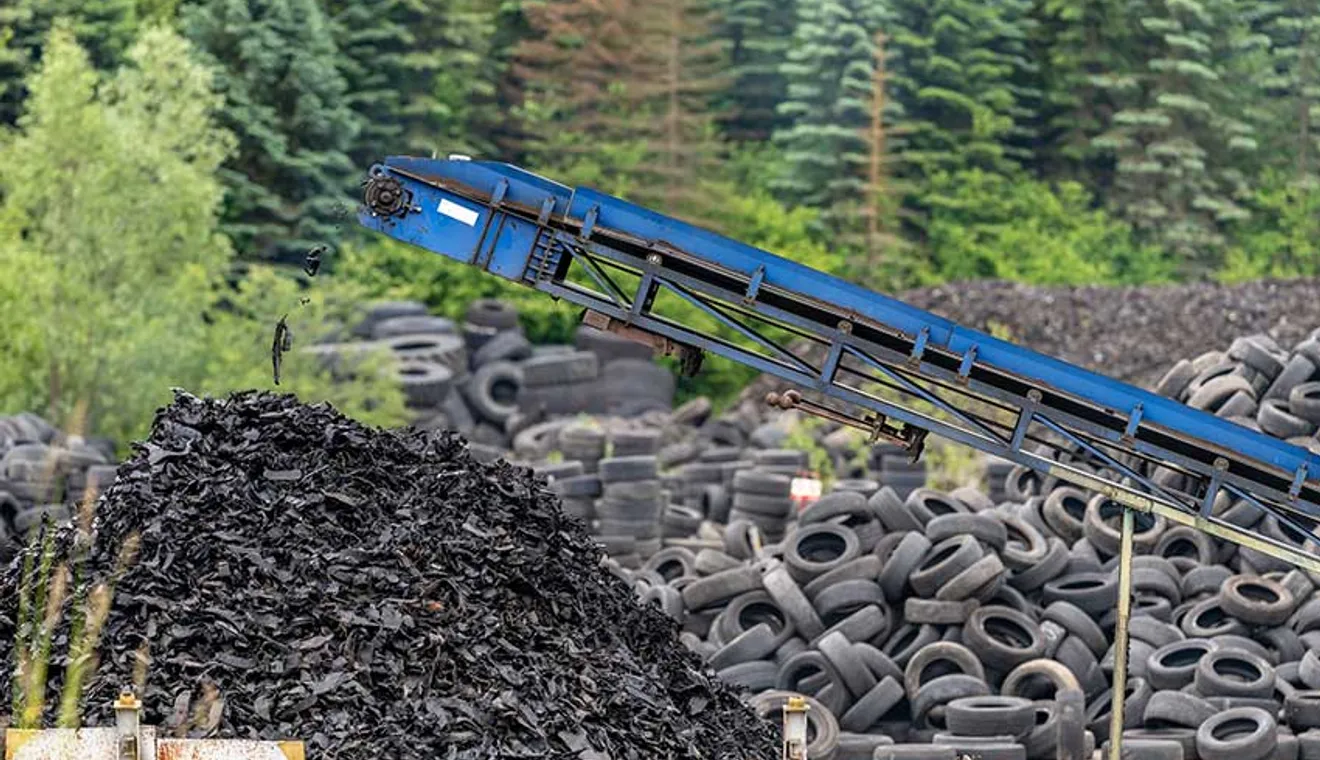
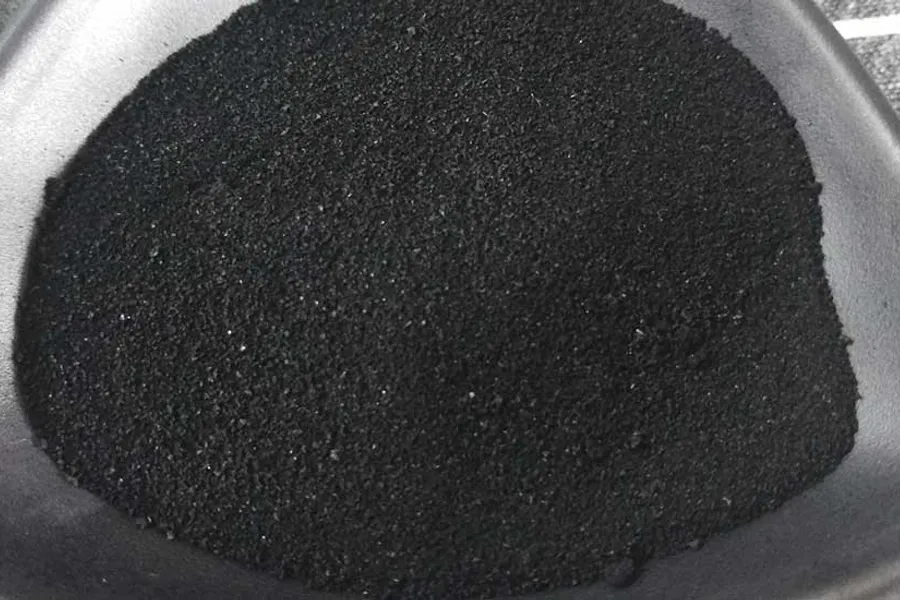
Primary tire shredding usually produces rubber pieces or rubber blocks. With downstream processing, the material can be further processed into rubber chips, granules, powder, or materials prepared for pyrolysis, fuel use, molded rubber products, sports surfaces, or other recycling applications.
How is steel wire recovered from waste tires? +
During shredding, the tire structure is opened and steel wire can be released from the rubber. Downstream steel wire separation equipment can then be used to recover metal from the shredded tire material.
How is output size controlled in tire shredding? +
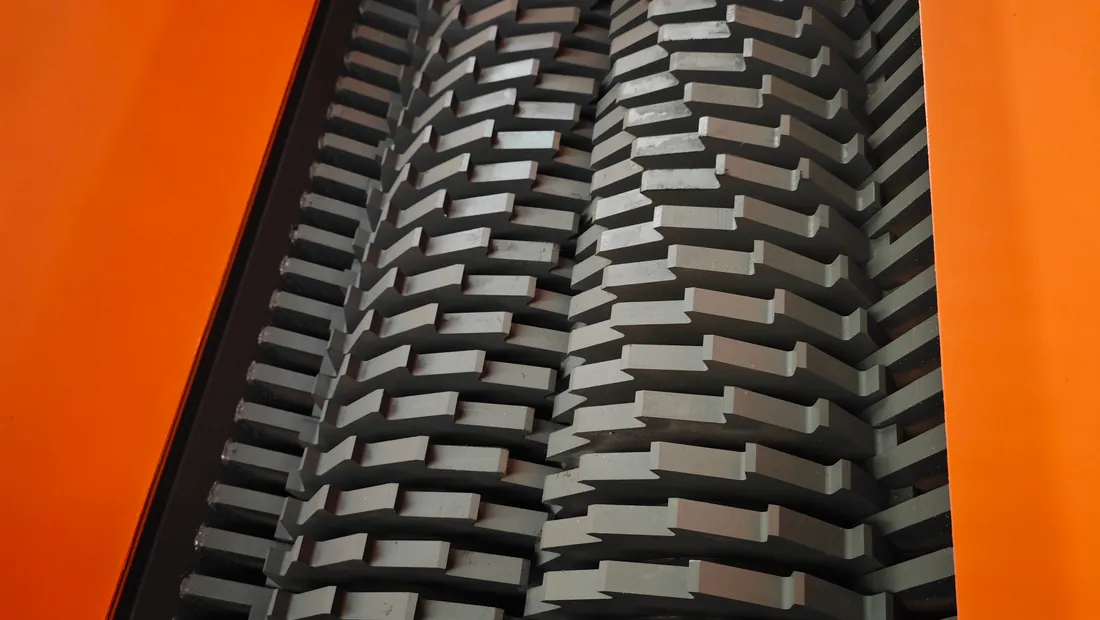
Output size depends on the shredder configuration, rotor design, screen or discharge control options, material condition, and downstream processing requirements. For more controlled output, a primary and secondary shredding line may be recommended.
Stationary vs mobile tire shredder: which one should I choose? +
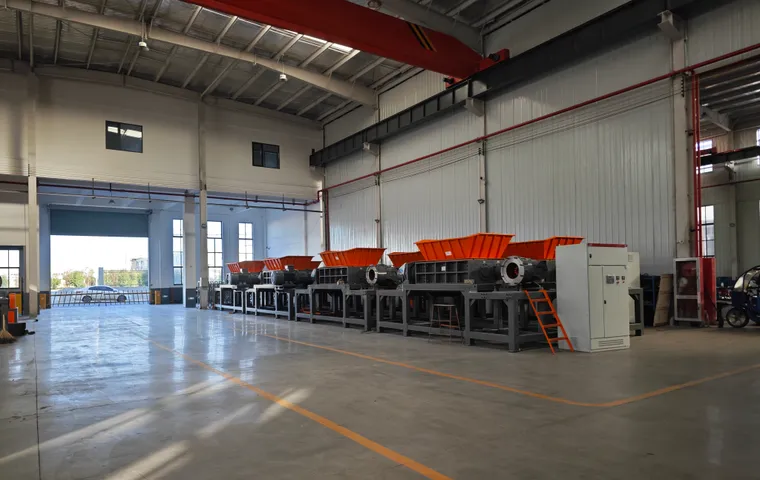
Stationary tire shredders are typically used in recycling plants or centralized processing facilities where continuous operation and higher capacity are required. Mobile configurations may be considered for on-site processing or projects where tire transportation should be reduced. The right choice depends on your site conditions, material source, capacity target, and operating model.
How are overload and downtime reduced? +
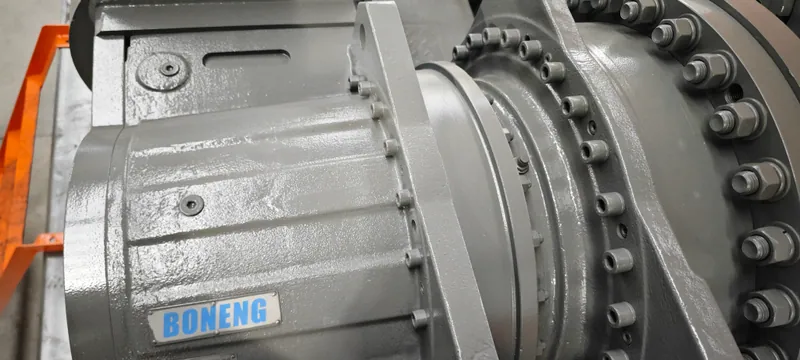
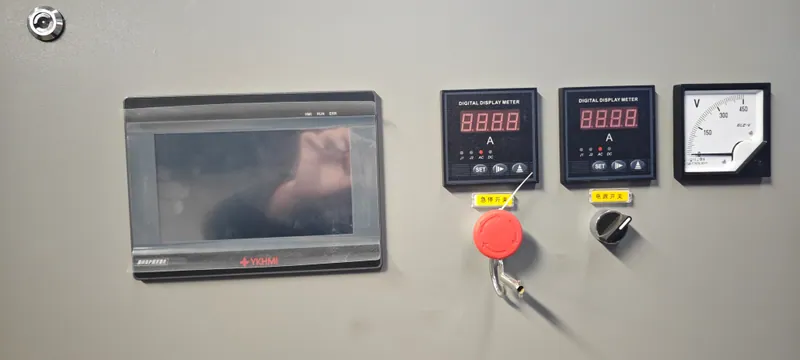
A PLC control system can monitor operating load and activate automatic reverse when overload is detected. Proper feeding control, suitable torque configuration, replaceable wear parts, and correct machine selection also help reduce downtime during tire recycling operation.
What affects tire shredder capacity? +
Capacity is affected by tire type, tire size, steel content, feeding method, rotor configuration, drive torque, target output size, and working hours. Mixed tire streams or larger reinforced tires usually require stronger configuration and more careful feeding control.
What information is needed for a quotation? +
Please provide tire type, tire size, photos or videos, required capacity, target output size, working hours, downstream process, and whether you need one shredder or a complete tire recycling line.