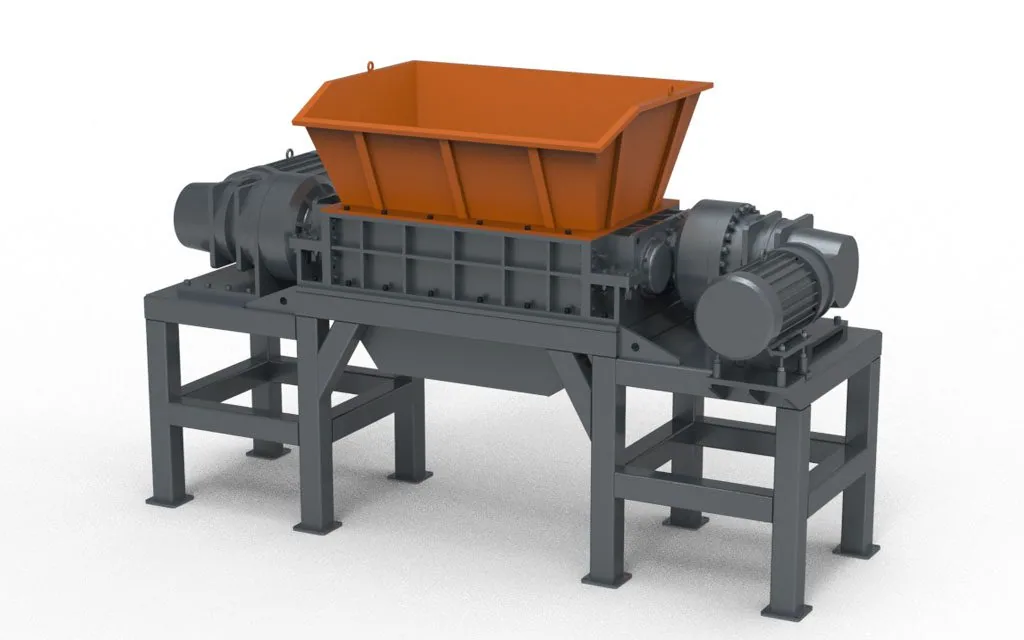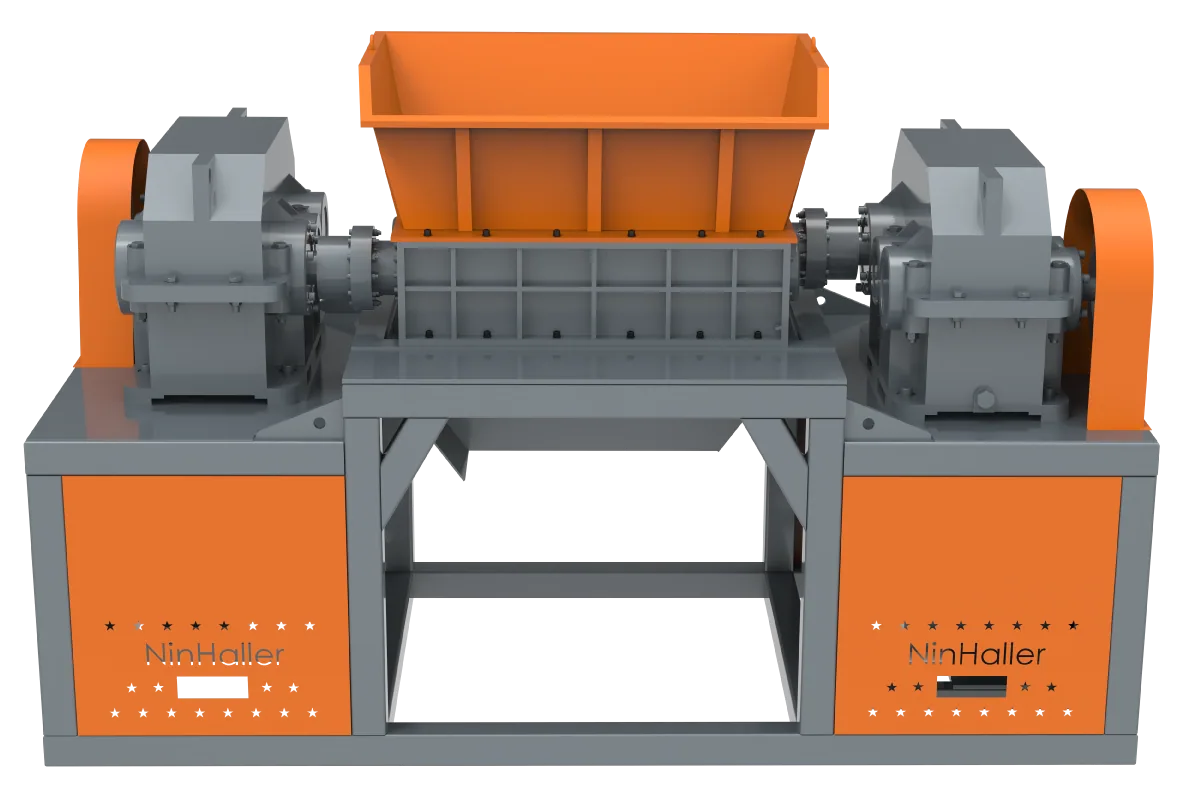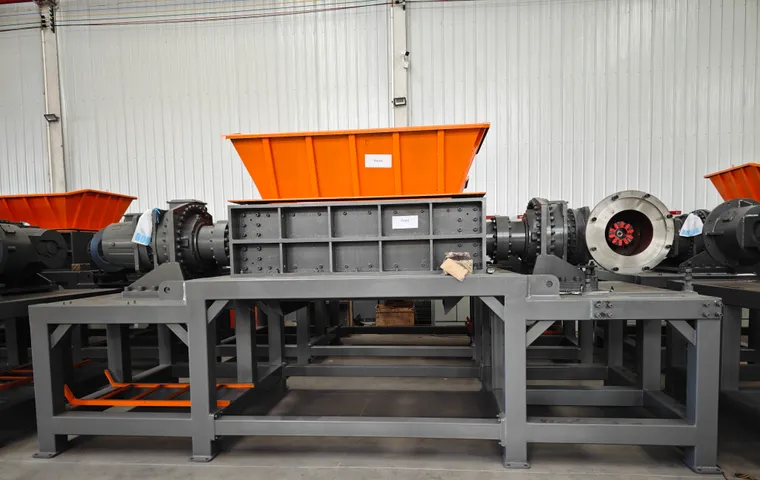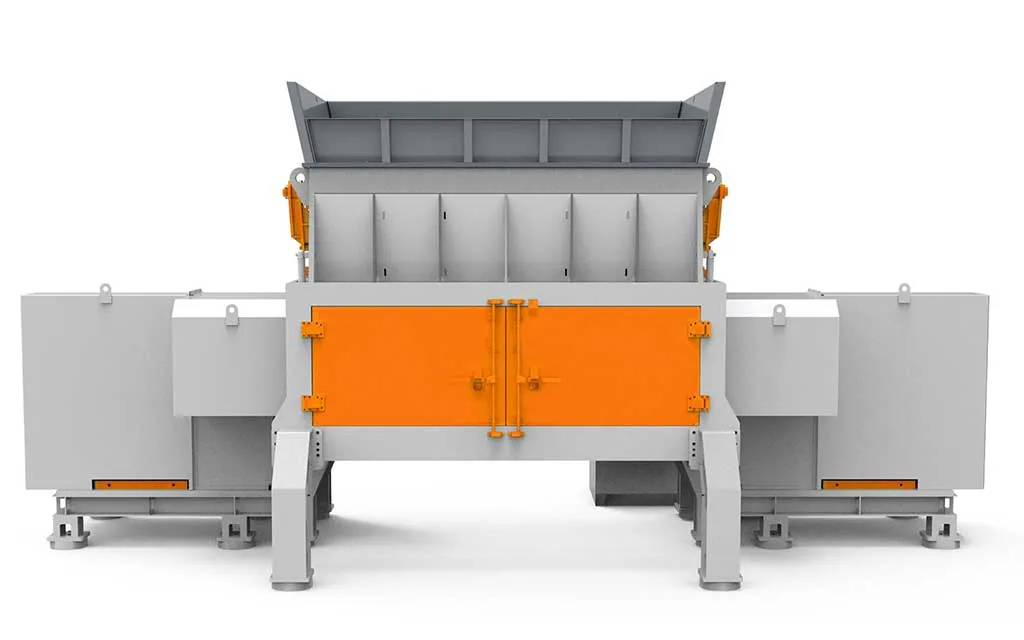
BoRay industrial shredder equipment

Industrial Metal Recycling Equipment

Heavy-Duty Metal Shredders for Scrap Volume Reduction

Low-speed, high-torque shredders configured for steel scrap, aluminum, drums, vehicle scrap, cables, profiles, and mixed industrial metal waste.

High Torque For uneven scrap loads.
Reinforced Frame For heavy operation.
PLC Reverse For overload release.
Configured Use For your scrap stream.

Best used for primary metal scrap pre-processing

  • Reduces bulky and irregular metal scrap into manageable fragments.
  • Improves feeding into magnetic separation, eddy-current separation, baling, or smelting preparation.
  • Machine configuration is selected by material type, thickness, feeding size, output requirement, and operating hours.
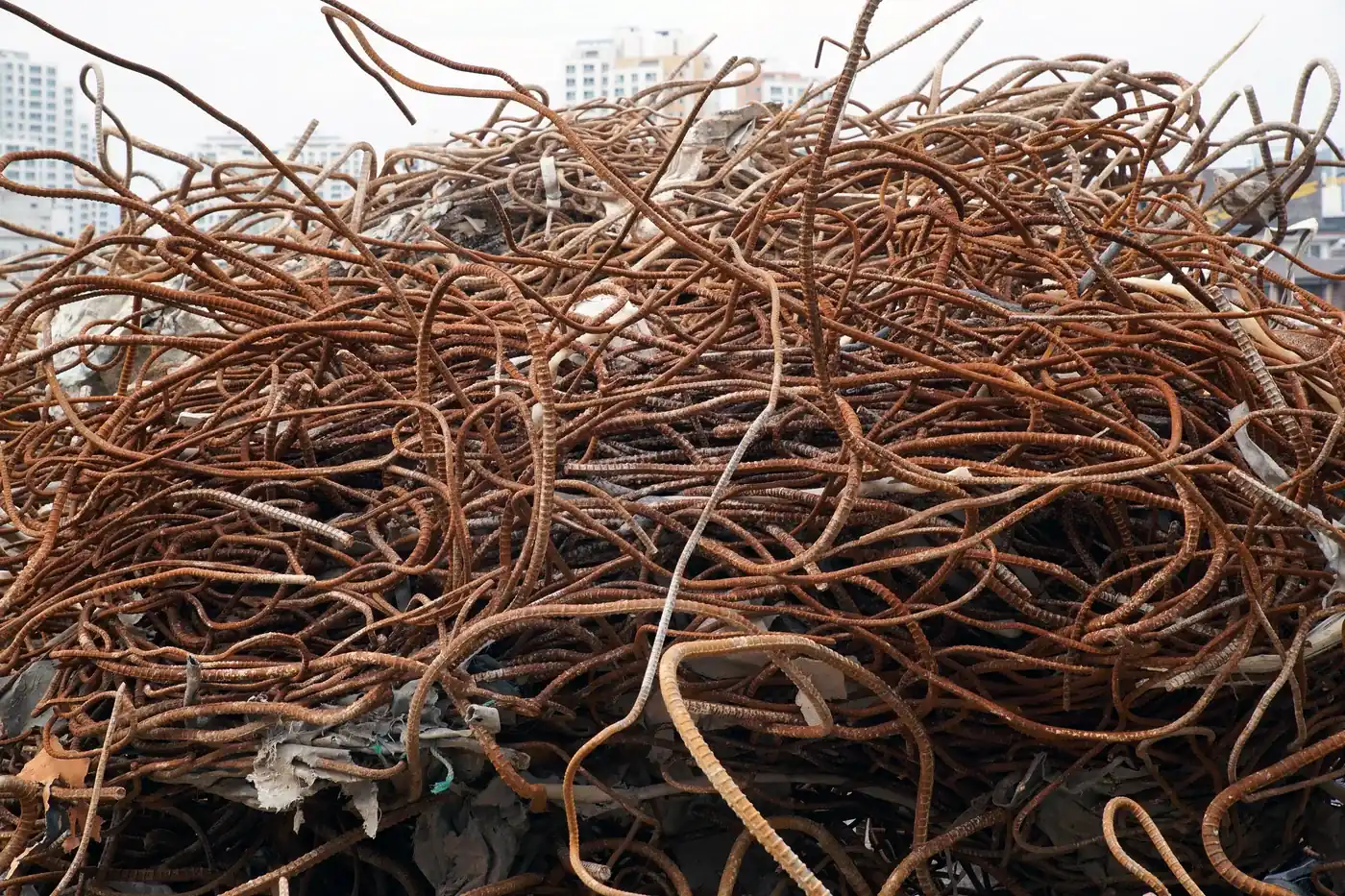
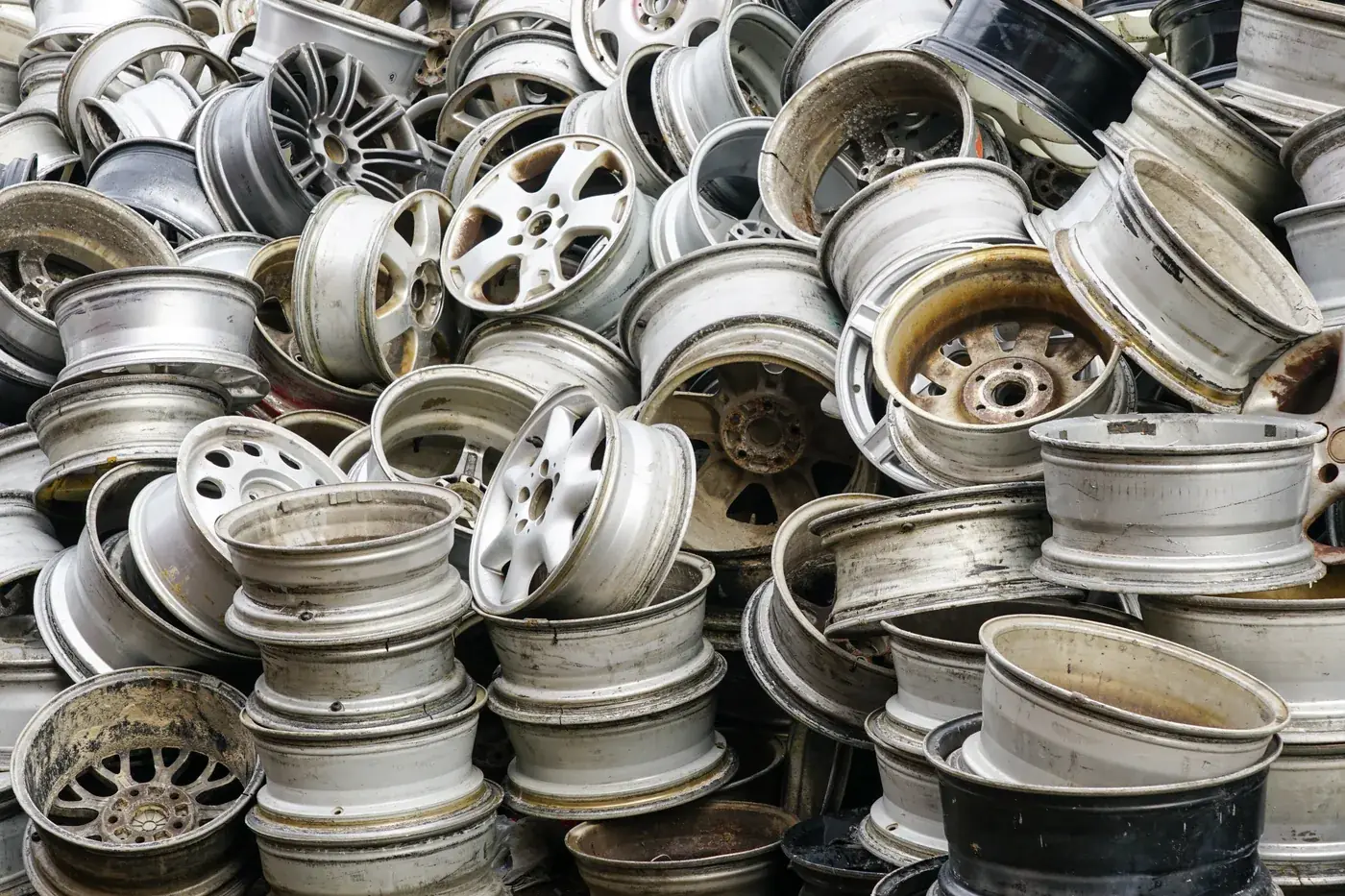
The Real Problem

Metal scrap is not a uniform material.

In scrap yards and recycling plants, metal waste often arrives as drums, profiles, appliance frames, vehicle scrap, cable bundles, stamped parts, and mixed industrial waste. The size, thickness, hardness, and impact load can change from one batch to another.

A metal shredder must do more than make material smaller. It needs stable torque, strong material engagement, reliable gearbox protection, and a structure that can handle long operating hours under uneven loads.

Material Match

What metal scrap can be processed?

Find the material type first, then configure the shredder around the real scrap stream, feeding size, thickness, capacity target, and downstream process.

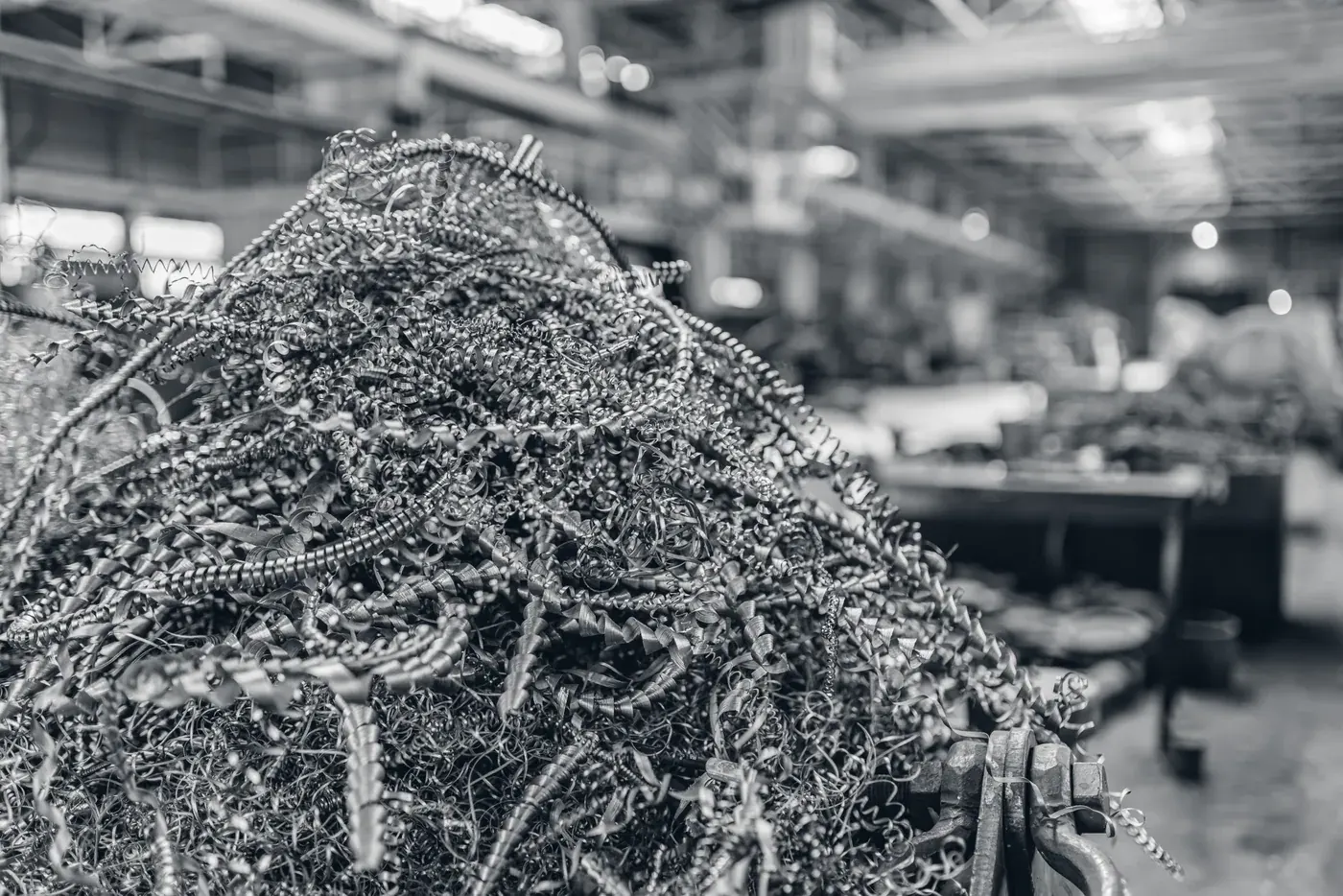
Steel and iron scrap for industrial metal shredder processing

Steel & Iron Scrap

For sheet metal waste, steel profiles, stamped parts, cast iron components, production scrap, and general ferrous waste before sorting or remelting.

Aluminum alloy scrap and non-ferrous metal waste for shredding

Aluminum & Non-Ferrous Metals

For aluminum profiles, cast aluminum parts, beverage containers, light metal waste, and mixed non-ferrous scrap before separation or melting.

Steel drums and containers for metal shredder volume reduction

Steel Drums & Containers

For steel drums, barrels, tanks, and containers that need volume reduction for safer storage, easier transport, and smoother recycling flow.

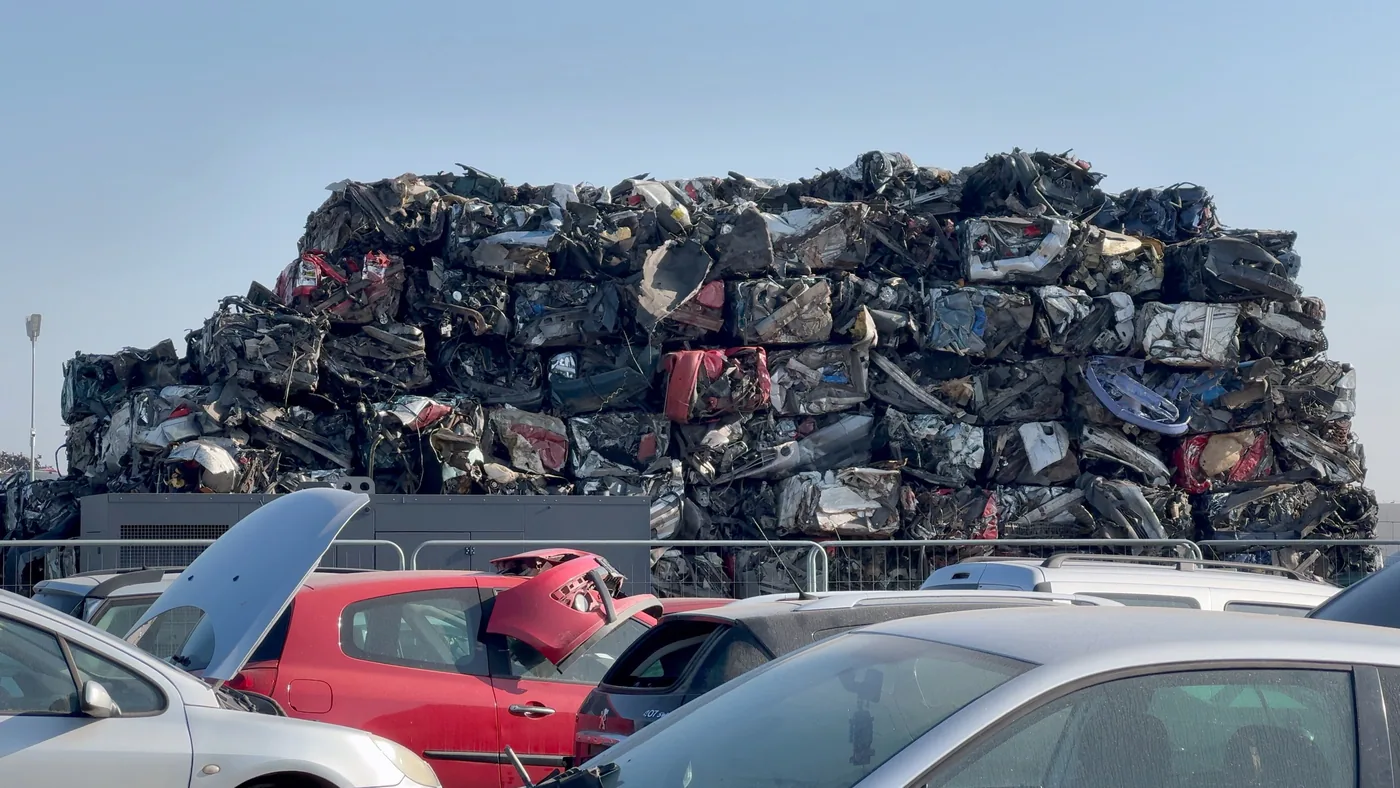
Vehicle and appliance scrap for heavy-duty metal shredder applications

Vehicle & Appliance Scrap

For vehicle scrap, appliance housings, panels, frames, and mixed metal structures entering recycling and separation lines.

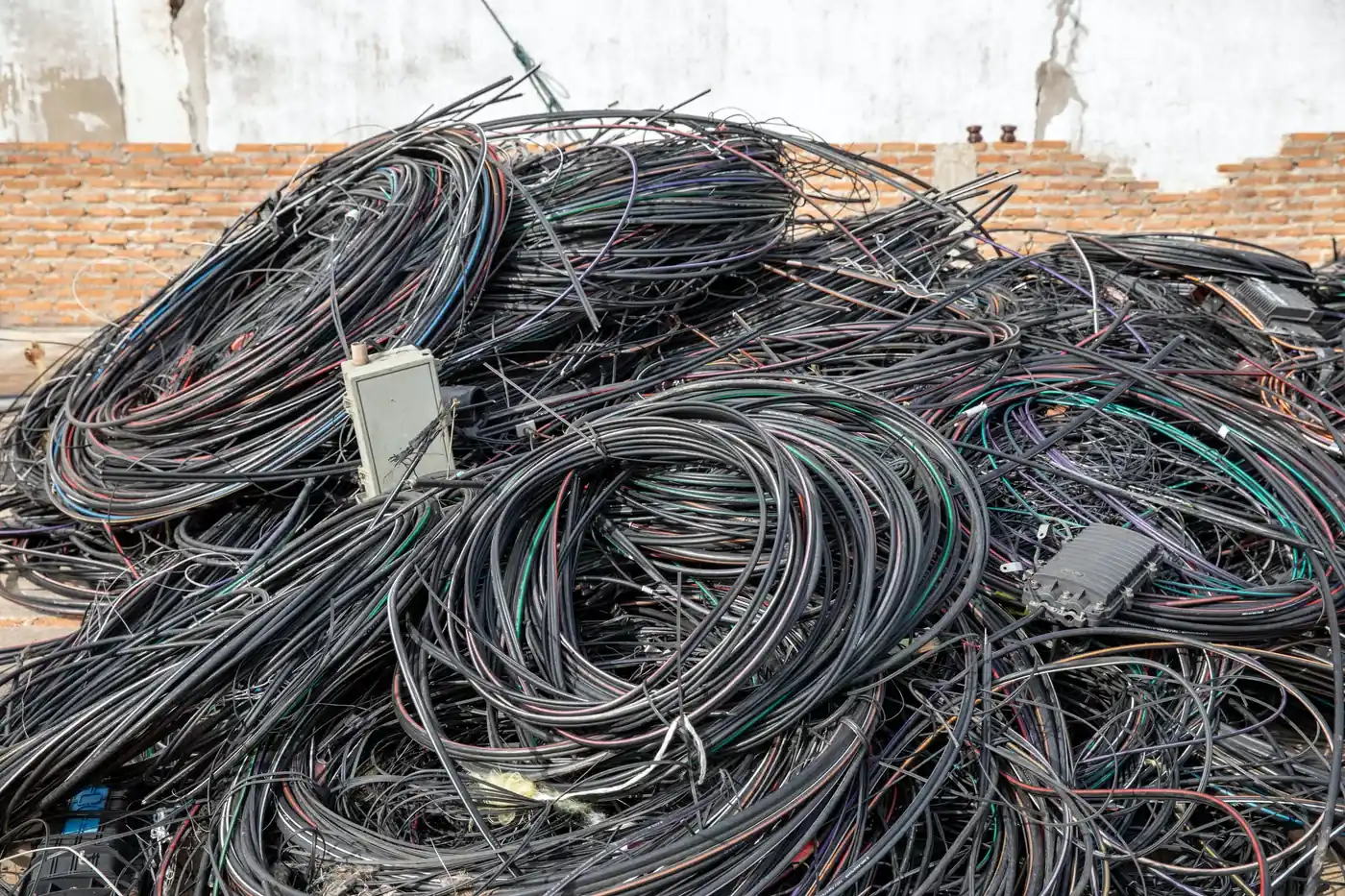
Waste cables and bundled metal streams for pre-shredding

Cables & Bundled Metal

For cable bundles and mixed metal material streams where pre-processing supports copper, aluminum, and ferrous metal recovery.

Mixed industrial metal waste for recycling pre-processing

Mixed Industrial Metal Waste

For irregular metal waste from manufacturing, dismantling, recycling, and industrial waste handling operations.

Business Value

What the shredder helps you achieve

Buyers usually care about practical results first. Shredding helps reduce handling pressure and prepares scrap for the next recycling stage.

Reduce scrap volume

Bulky metal waste takes up space and increases handling costs. Shredding turns irregular scrap into denser material that is easier to store, load, and transport.

Improve downstream feeding

Processed metal fragments can move more smoothly into conveyors, magnetic separation, eddy-current separation, screening, baling, or furnace charging systems.

Support cleaner separation

More manageable material helps separation equipment work more effectively, especially when handling mixed ferrous and non-ferrous scrap streams.

Prepare for smelting or further recycling

More consistent material density can improve handling, storage, and charging efficiency in recycling and metal recovery operations.

Process Flow

How metal shredding fits into recycling lines

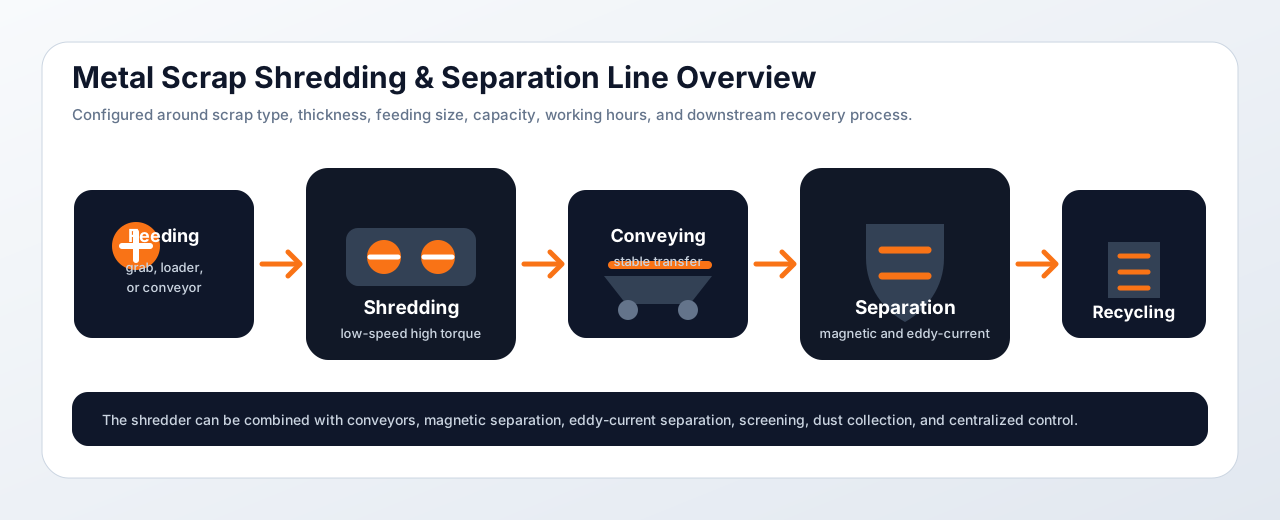
The shredder usually works as the primary pre-processing stage before conveying, separation, storage, baling, smelting preparation, or further recovery.

Metal scrap shredding and separation line overview diagram

Configured as part of a metal recycling process

The final line layout depends on material type, feeding size, thickness, required capacity, working hours, site layout, and whether the downstream process needs magnetic separation, eddy-current separation, screening, baling, smelting preparation, or centralized control.

01

Feeding

Scrap is fed by conveyor, grab system, or loading equipment.

02

Shredding

Low-speed rotors apply high torque to break bulky metal waste.

03

Conveying

Processed fragments move more smoothly to downstream equipment.

04

Separation

Ferrous and non-ferrous metals can be recovered by separation systems.

05

Recycling Use

Material is prepared for storage, baling, smelting, or further recovery.

Heavy-Duty Design

Built for demanding metal processing conditions

Metal applications place high stress on the drive system, rotor system, frame, bearings, and control logic. The equipment should be evaluated as a complete heavy-duty configuration, not as a standard machine with a larger motor.

Double shaft metal shredder rotor system for bulky scrap

Core Structure

Double Shaft Rotor System

Strong material engagement for bulky and uneven scrap loads

Heavy-duty double shaft metal shredder machine body

Heavy-Duty Machine Body

Reinforced frame and drive structure

Mixed industrial metal waste for metal shredder configuration

Mixed Scrap Application

Configured around the actual material stream

High-torque, low-speed drive

Configured to deliver stable tearing force under heavy and uneven loads while helping control vibration and impact.

Reinforced heavy-duty frame

Robust machine body, heavy-duty bearings, and strengthened support structure for continuous industrial operation.

Gearbox protection under shock loads

The transmission configuration is selected to reduce stress when processing thick, hard, or mixed metal materials.

PLC control with automatic reverse

The control system monitors load conditions and activates reverse when overload is detected, reducing manual intervention.

Wear-resistant rotor system

Rotor configuration is selected according to material type, feeding size, and processing requirements.

Service-friendly maintenance access

Machine layout considers inspection and replacement of wear parts during long-term use.

Factory Evidence

Factory-built, checked, and prepared for delivery

Before choosing a tire shredder supplier, buyers need more than product photos. These workshop records show real manufacturing, assembly, and final checking, helping you confirm the factory behind the quotation.

Real workshop photos from production and assembly

Welding, assembly, and finished-machine checking

Configuration checked around your material and output target

Additional manufacturing details available in About

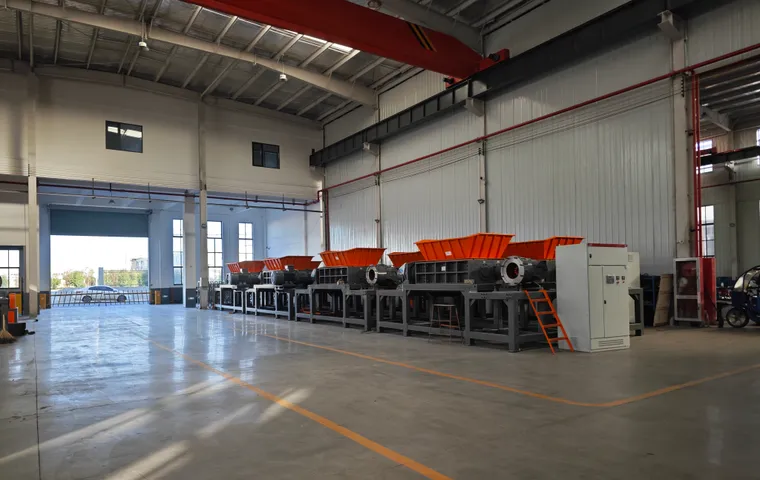
BoRay shredder factory workshop with industrial shredders in stock

Workshop stock and assembly area

Real factory floor with shredders under assembly and inspection.

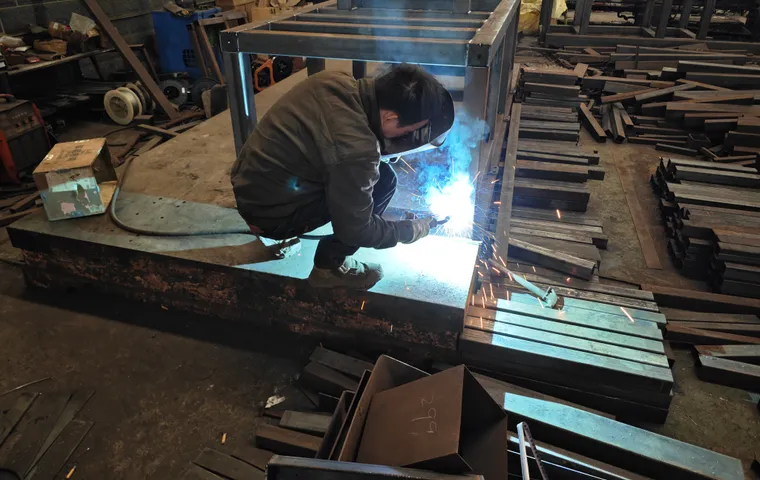
BoRay shredder frame welding and manufacturing process

Frame welding and fabrication

In-house fabrication work supports heavy-duty frame structure control.

BoRay industrial shredder equipment assembled in factory

Completed shredder equipment

Finished machines are assembled and checked before project delivery.

Configuration Guide

Choose the right metal shredder type

Metal scrap projects usually need to compare the main shredder type first. Conveyors, separation, screening, dust collection, and control systems are downstream line options configured after the main machine is selected.

Double shaft metal shredder for bulky scrap volume reduction

Most common for bulky scrap

Double Shaft Metal Shredder

Recommended for bulky, irregular, and mixed metal scrap where strong material pulling force and primary size reduction are required.

  • Drums
  • Appliance Scrap
  • Profiles
  • Mixed Metal
Heavy-duty double shaft shredder for demanding metal scrap processing

For harsher working conditions

Heavy-Duty Double Shaft Shredder

Recommended for thicker scrap, higher-volume recycling plants, longer operating hours, and more demanding pre-processing lines.

  • Heavy Scrap
  • Large Structures
  • Continuous Use
Single shaft shredder evaluation for selected metal production scrap

For selected scrap streams

Single Shaft Shredder Evaluation

For selected production scrap, aluminum waste, or applications requiring more controlled output, a single shaft configuration may be evaluated.

  • Production Scrap
  • Aluminum
  • Output Control

Downstream Direction

What metal shredding prepares the material for

Metal shredding is usually a pre-processing step. The practical output is a material stream that is easier to move, separate, store, bale, charge, or recover.

Separation preparation

Shredded scrap can feed magnetic separation, eddy-current separation, screening, or manual sorting more consistently.

Baling and storage

Reduced volume makes irregular scrap easier to load, store, compact, and transport.

Smelting preparation

More manageable fragment size and density can support smoother furnace charging and recycling handling.

Further recovery

Pre-shredding can support copper, aluminum, ferrous metal, and mixed material recovery in recycling plants.

Request a Quote

Send your metal scrap details

Every metal recycling project is different. To recommend the right configuration, we need to understand your material and processing goal.

  • Material type and photos or videos
  • Feeding size and material thickness
  • Expected output size and required capacity
  • Working hours per day and downstream process

Fields marked with * are required.

FAQ

Common questions from metal recycling buyers

Can one metal shredder handle mixed metal scrap? +

Mixed metal scrap can be processed, but the configuration should be selected according to the main material type, feeding size, thickness, hardness, and the presence of bulky or high-impact components.

Is a double shaft shredder better for metal scrap? +

For most bulky and irregular metal scrap, a double shaft shredder is usually recommended because it provides strong material pulling force and is suitable for primary volume reduction.

Can the output size be controlled? +

Metal shredders are mainly used for volume reduction and pre-processing. Output size depends on rotor configuration, material condition, feeding method, and downstream process requirements.

Can the machine process aluminum scrap? +

Yes. Aluminum profiles, cast aluminum parts, beverage containers, and mixed non-ferrous scrap can be processed with a suitable configuration.

What information is needed for a quotation? +

Please provide material type, feeding size, material thickness, expected output size, required capacity, working hours, downstream process, and photos or videos of the scrap material.

Need a metal shredder for your recycling project?

Send us your scrap type, feeding size, thickness, target output size, and required capacity. Our engineers will help evaluate the suitable metal shredder configuration for your project.

Request a Metal Shredder Quote