
BoRay industrial shredder equipment

Industrial E-Waste Recycling Equipment

Industrial E-Waste Shredder Machines for Secure Data Destruction and Recovery

Prepare PCBs, IT equipment, storage devices, selected appliances, and mixed electronic assemblies for recovery or physical destruction. BoRay compares controlled sizing with bulky-feed primary shredding around your devices, output requirements, and downstream process.

Recovery, destruction, or both? The project goal determines which output requirements need to be defined first.
Devices and assemblies differ Feed dimensions, composition, and upstream dismantling affect the machine and process.

Your E-Waste Feed

Start with the devices and the purpose of shredding

A mixed electronics recovery line and a storage-media destruction process need different acceptance criteria. Device type, incoming assembly size, and required fragments should be identified before selecting a shredder.

Describe what remains in the feed after dismantling, including batteries or other components that need separate handling review. A mixed-device label does not establish that every item can enter the machine directly.

Your E-Waste Feed selection guide
Your feedWhy it mattersWhat to evaluate
PCBs and electronic componentsMaterial composition and incoming dimensions influence the cutting and separation route.Board or component size, attachments, and the next recovery step.
Computers, servers, and IT assembliesComplete housings and dismantled parts present different feeding loads.Largest assembly, upstream dismantling, and remaining internal components.
HDDs, SSDs, and other storage mediaA destruction requirement must be defined for the actual media being processed.Media types, required fragments, and any inspection or documentation criteria.
Selected appliances and housingsBulky assemblies may need primary reduction before further processing.Housing dimensions, composition, and components needing prior handling review.
Cables and mixed electronicsChanging proportions affect feeding and later material separation.Representative feed mix, bundle dimensions, and separation equipment.
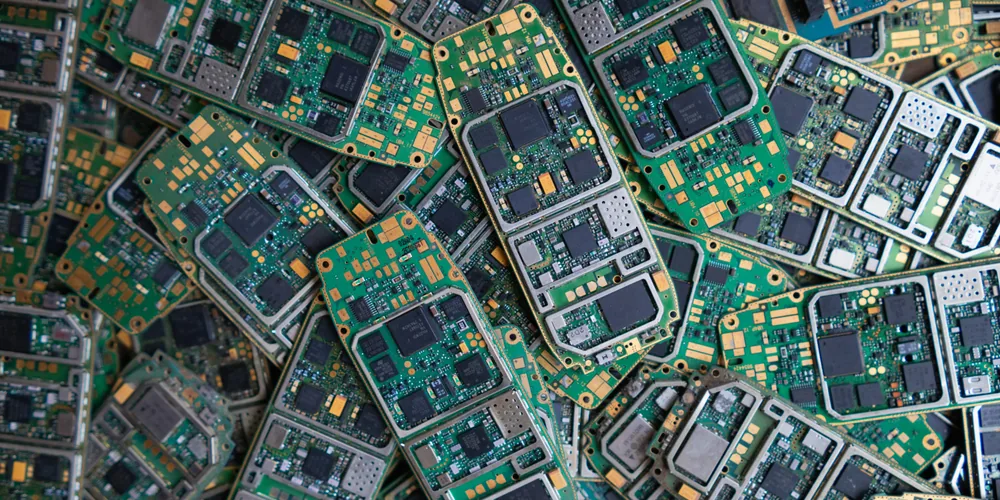
Circuit boards and PCBs for e-waste shredder processing
Circuit Boards & PCBs
Waste computers and IT equipment for secure e-waste shredding
Computers & IT Equipment
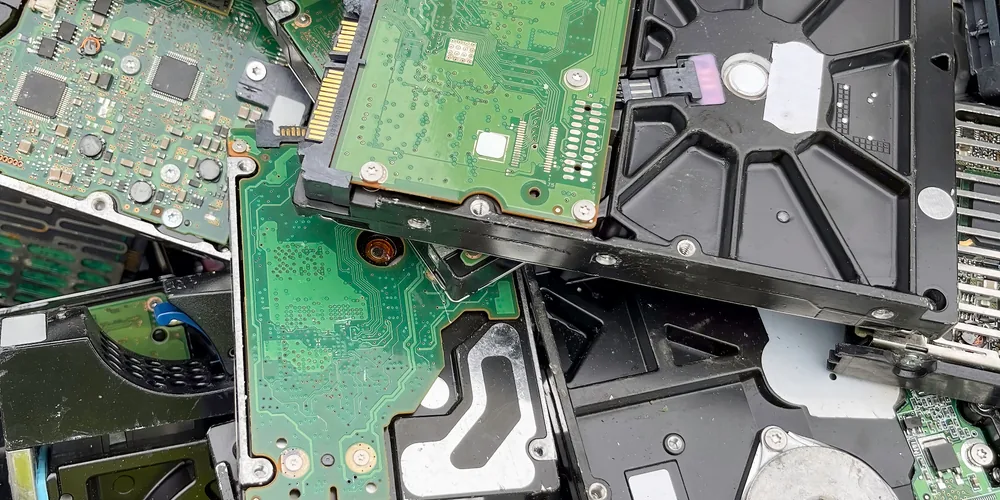
Data-bearing devices for secure physical destruction
Data-Bearing Devices

Machine Selection

Choose by feed form and the required result

Controlled fragment sizing and primary reduction of bulky assemblies are different selection tasks. Specify the goal before comparing machine arrangements.

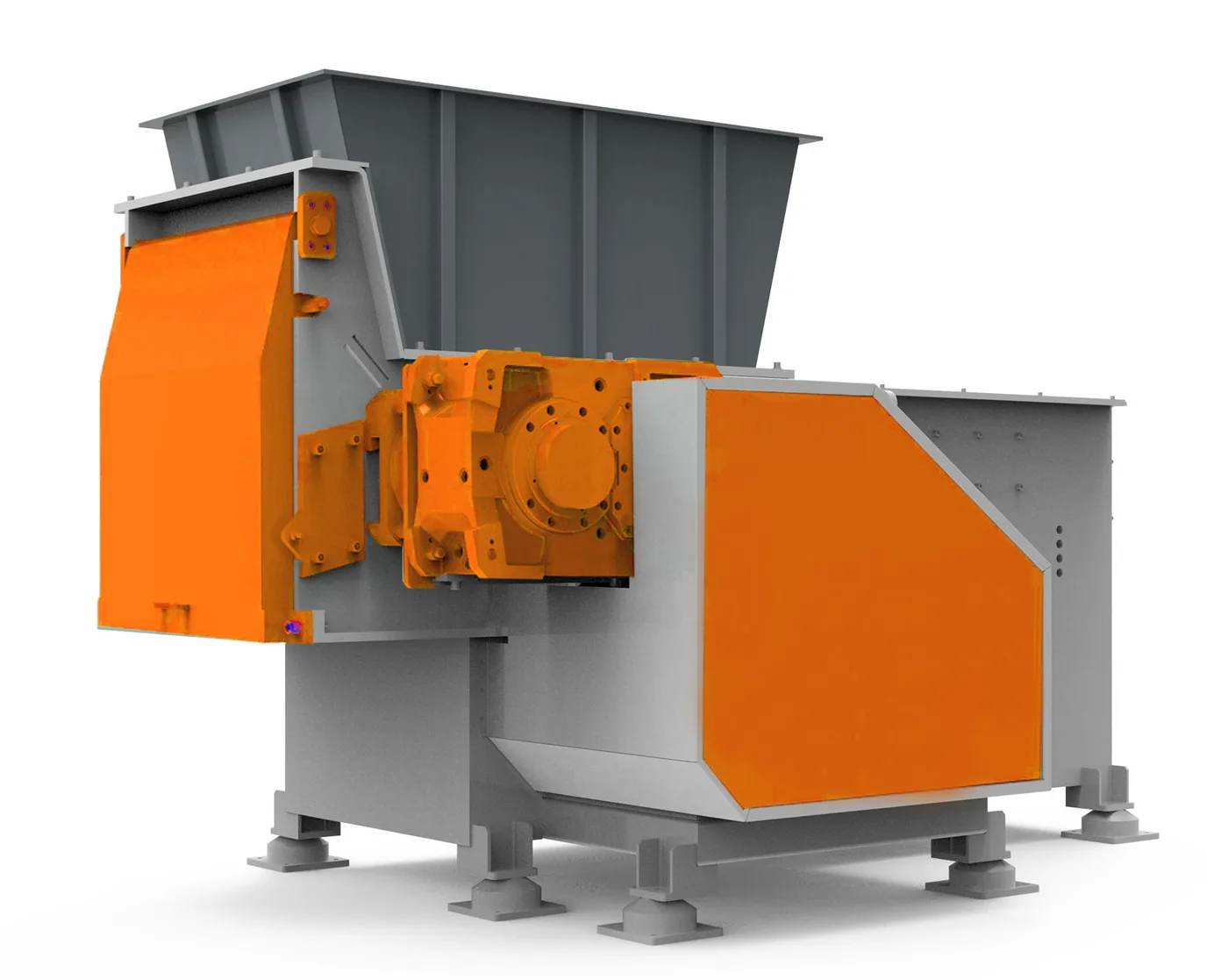
Single shaft e-waste shredder for controlled data destruction

Selected devices and controlled sizing

Single Shaft E-Waste Shredder

Evaluate a single shaft arrangement for PCBs, IT scrap, and storage media when controlled discharge matters. Rotor, knives, feeding, and screen selection must be reviewed against the actual devices and any destruction acceptance criteria.

View Single Shaft Models →
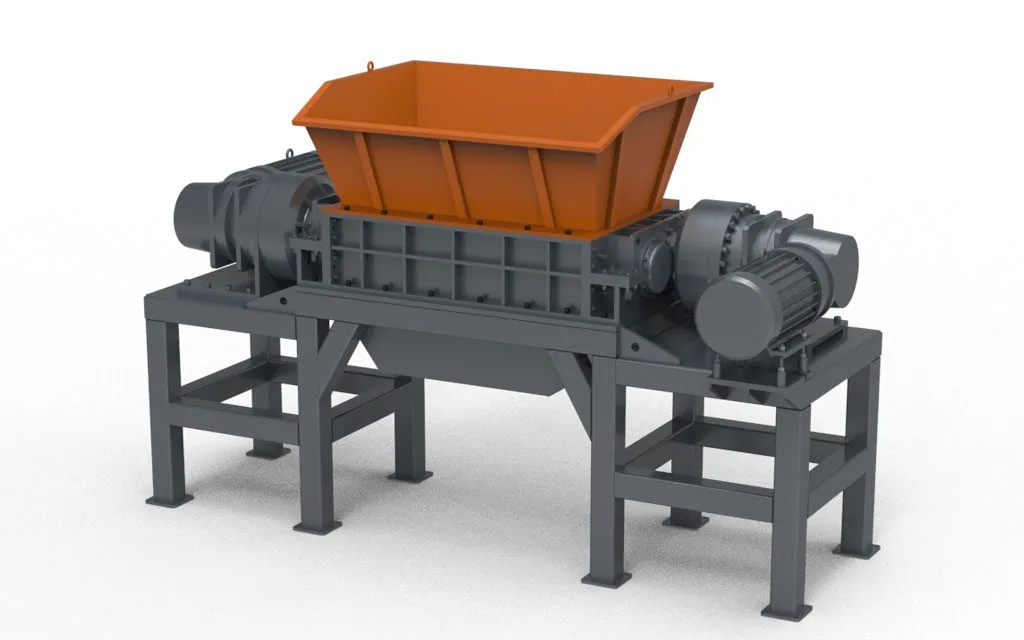
Double shaft e-waste shredder for mixed electronic assemblies

Bulky and mixed assemblies

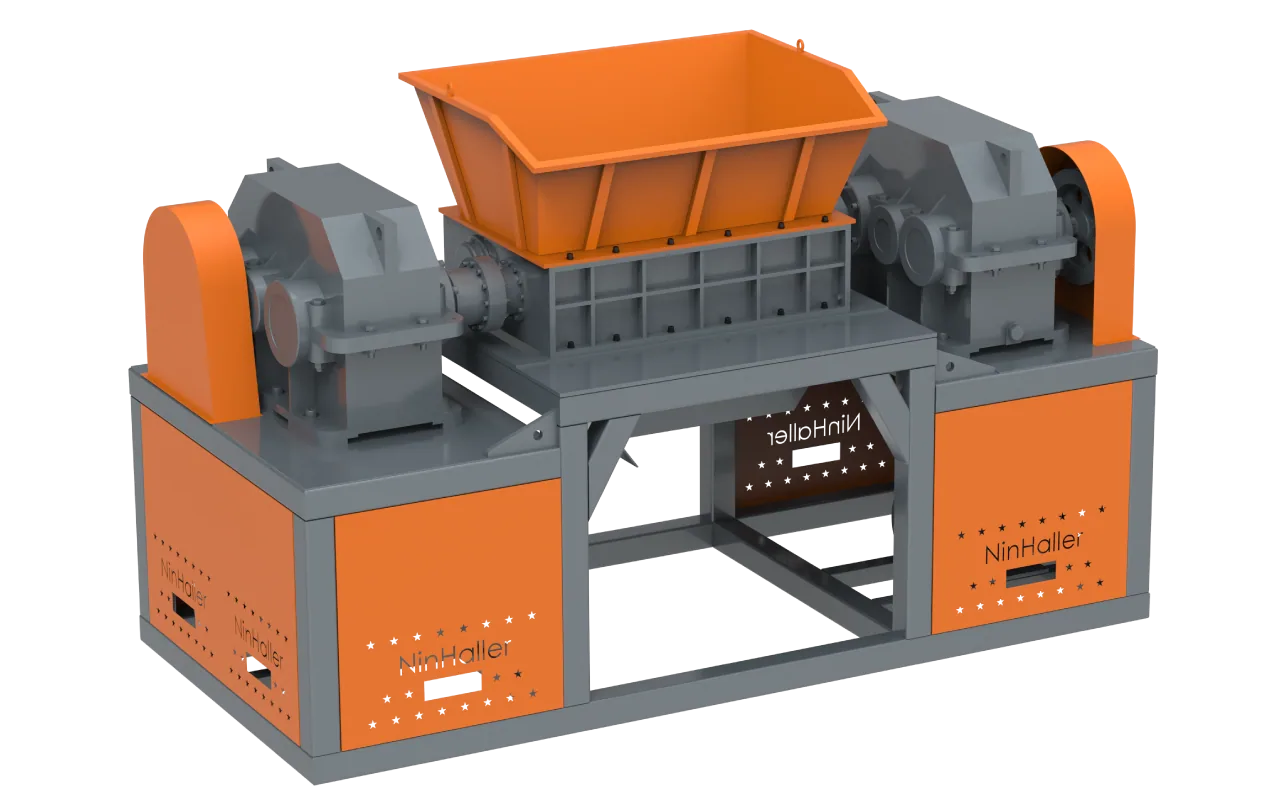
Double Shaft E-Waste Shredder

Twin rotors grip and tear bulky housings and mixed electronic assemblies for primary reduction. Consider this stage when material needs to be reduced before downstream separation or further sizing.

View Double Shaft Models →

The Next Process

Define recovery and destruction requirements separately

The same project may involve both goals, but a smaller fragment alone does not establish recovery purity or compliance with a destruction requirement.

Define recovery and destruction requirements separately
Next stageWhat to define before selecting the shredder
Material recoveryDefine the feed needed by conveyors, sorting, and separation equipment after shredding.
Physical destruction of storage mediaSpecify the media type, required output, inspection method, and documentation before configuration review.
Further sizing or refinementIdentify the incoming fragment size accepted by the next stage and whether additional processing is required.

No destruction certification or universal security level is implied by the machine arrangement. Any required standard and verification method must be assessed for the specified media and process.

Share the devices you process and whether recovery, destruction, or both are required. We can then review the output and equipment interfaces.

Structure and Operation

Connect fragment requirements with feeding and control

Evaluate the cutting arrangement and line interfaces around the actual device mix, instead of treating all e-waste as one material.

Cutting configuration for the required fragments

Rotor, knife, and discharge choices are reviewed against the incoming devices and desired output. A destruction project also needs its acceptance criteria defined.

Drive selection for mixed assemblies

Low-speed, high-torque arrangements support primary reduction of uneven feed. Assembly size and composition guide the drive and chamber selection.

PLC response to changing loads

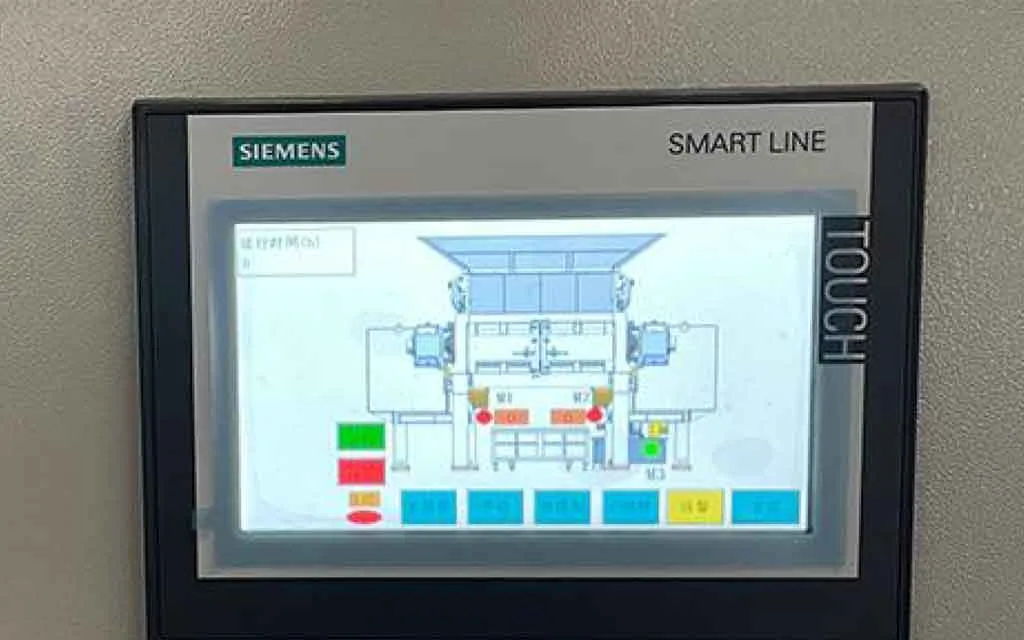
Load monitoring and reverse control help respond when the material presents an uneven load to the cutting system.

Connections to the recovery process

Conveyor, separation, dust-control, and line-control interfaces are reviewed with the surrounding equipment and the handling requirements of the feed.

Single shaft e-waste shredder for controlled sizing
Single Shaft ConfigurationEvaluate controlled sizing against the specified devices and output requirements.
PLC control system for e-waste shredder overload protection
PLC Control SystemLoad monitoring and reverse control for mixed electronic scrap
E-waste shredding and separation equipment interface
Recovery Equipment InterfaceConfigured with separation and conveying systems

Explore the single shaft structure and knife options or compare double shaft pre-shredding.

Manufacturing

See how the machine is built

BoRay’s workshop records show frame fabrication, equipment assembly, and finished-machine checking. Review the structure details alongside the manufacturing process.

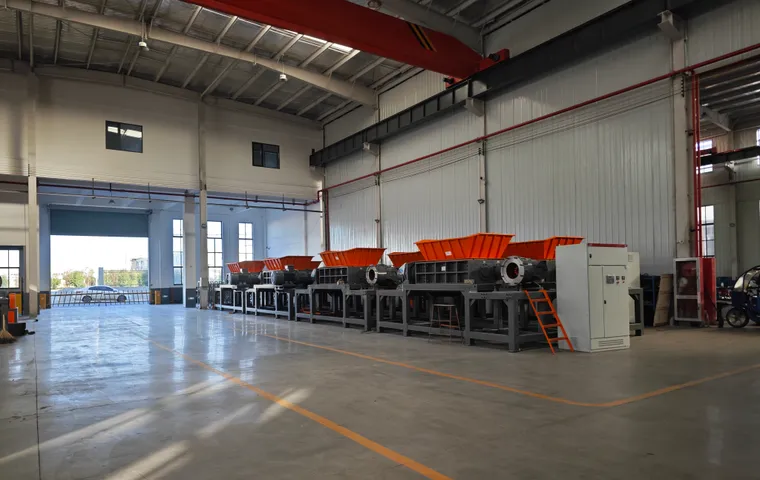
BoRay shredder factory workshop with industrial shredders in stock
Workshop stock and assembly areaReal factory floor with shredders under assembly and inspection.
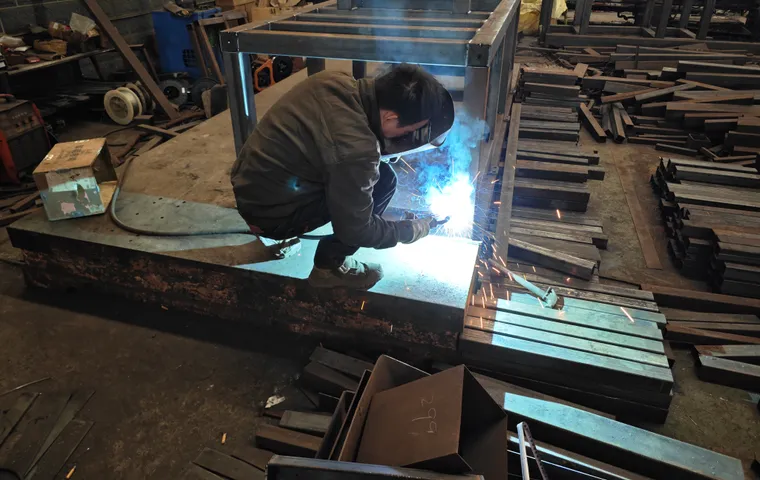
BoRay shredder frame welding and manufacturing process
Frame welding and fabricationIn-house fabrication work supports heavy-duty frame structure control.
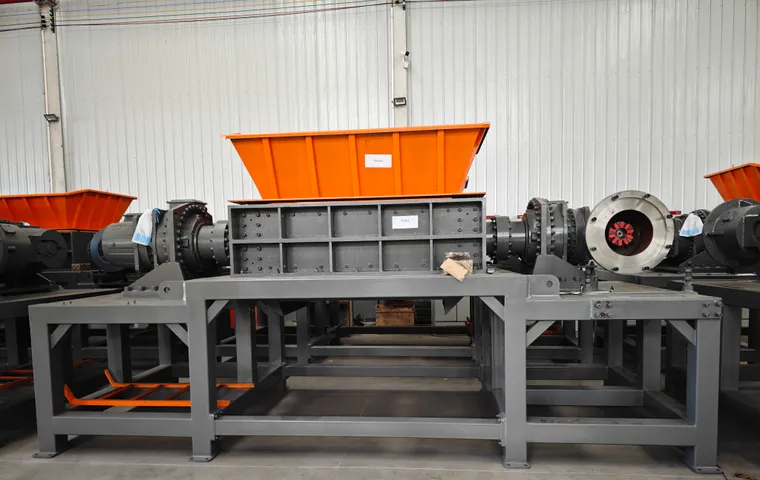
BoRay industrial shredder equipment assembled in factory
Completed shredder equipmentFinished machines are assembled and checked before project delivery.
View Factory Process

Request a Quote

Tell us which devices you process

Begin with the device types and the goal: material recovery, physical destruction, or both. Add dimensions and any fragment or documentation requirements you already know.

Send photos or short videos through WhatsApp or email.

  • Device types and incoming condition
  • Recovery or destruction objective
  • Required fragments or acceptance criteria, if specified
  • Downstream equipment and capacity, if known

Fields marked with * are required. Project details are optional; share what you know and we will help clarify the rest.

Frequently Asked Questions

E-waste shredding questions

How should a data-destruction project be specified? +

Identify the storage media, required output, inspection method, and any documentation or standard the process must satisfy. These requirements need to be reviewed before selecting the machine; a generic shredding claim is not a certification.

Can complete electronic devices be fed directly? +

This depends on the device construction and the selected machine. Describe any upstream dismantling and remaining batteries or other components needing separate handling review. Do not assume every mixed electronic assembly is suitable for direct feeding.

When is primary shredding enough? +

Primary reduction may be sufficient to prepare bulky assemblies for the next operation. If downstream equipment or a destruction specification requires tighter fragment control, further sizing or a different arrangement may need to be evaluated.

Does the shredder recover clean metal and plastic fractions? +

The shredder reduces the feed. Recovering separated fractions requires the appropriate downstream sorting and separation equipment, selected for the composition and output of the full process.

Recovery, destruction, or a combined process?

Describe your devices and required result. We will help review the shredding stage and its connection to the rest of the process.

Discuss E-Waste Shredding