

Commercial, industrial & packaging residues
Paper, plastic packaging, textile offcuts and wood packaging may arrive loose or baled. The mixture can include flexible fractions alongside bulky pieces.
RDF Preparation · Shredding & Conveying
BoRay supplies single shaft and double shaft shredders with supporting conveyors for refuse-derived fuel (RDF) preparation, solid waste size reduction and sorting preparation.
Start with the Feed
Combustible streams for RDF preparation may come from commercial and industrial residues, packaging waste or sorted mixed waste. Loose film, baled textiles, wood offcuts and pre-shredded mixtures place different demands on feeding and cutting.
Paper, plastic packaging, textile offcuts and wood packaging may arrive loose or baled. The mixture can include flexible fractions alongside bulky pieces.

Combustible fractions recovered from municipal or other mixed waste have already passed through sorting. Their composition and remaining contaminants depend on the treatment completed upstream.

Pre-shredded feed has already undergone size reduction but may still contain oversized pieces or long flexible strips that do not meet the next process’s feeding requirements.
Explore the role of each stage, from bulky feed reduction to screening and optional fuel briquetting.
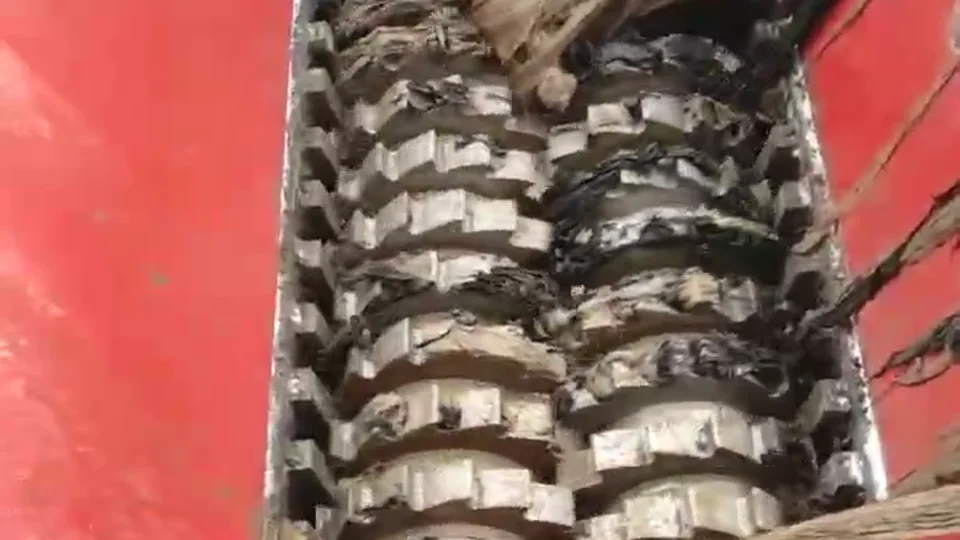
Twin rotors grip, tear and shear bulky wood, furniture and mixed packaging. The reduced material is discharged onto a conveyor for transfer to the next process.
Secondary shredding further reduces the size of sorted or pre-shredded material, including oversized pieces and long flexible strips, to prepare it for the next process.
The illustrated screen separates shredded material by size into two discharge paths. Conveyors carry the separated fractions away from the screen for their next treatment or destination.
Prepared material can be compacted into fuel briquettes. This optional downstream stage is separate from BoRay’s shredder and conveyor supply; its feed and output requirements must be confirmed with the briquetting supplier.
Unable to load the animation. Use the play button to retry.
ON-SITE FOOTAGE
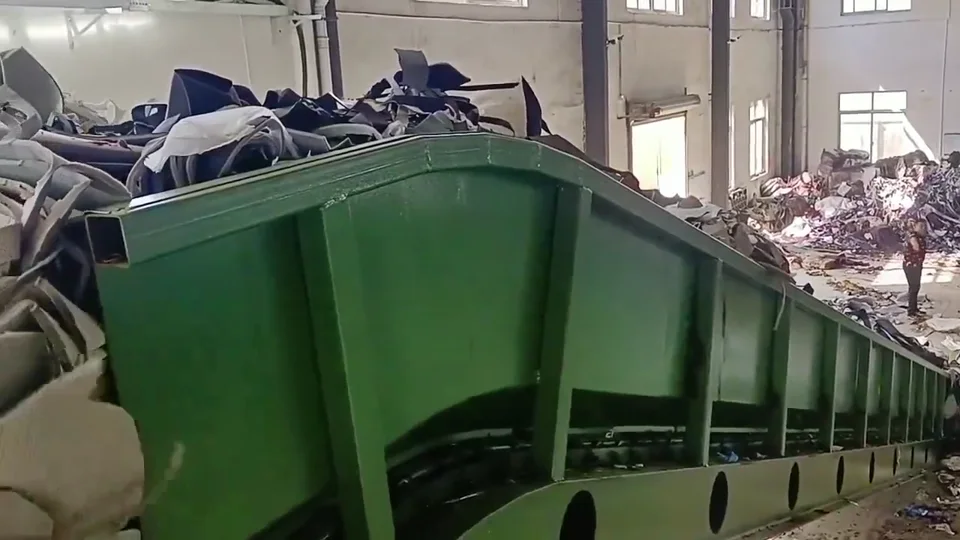
Watch material feeding, shredding, conveying and briquette discharge in this one-minute compilation.
Inside the Process
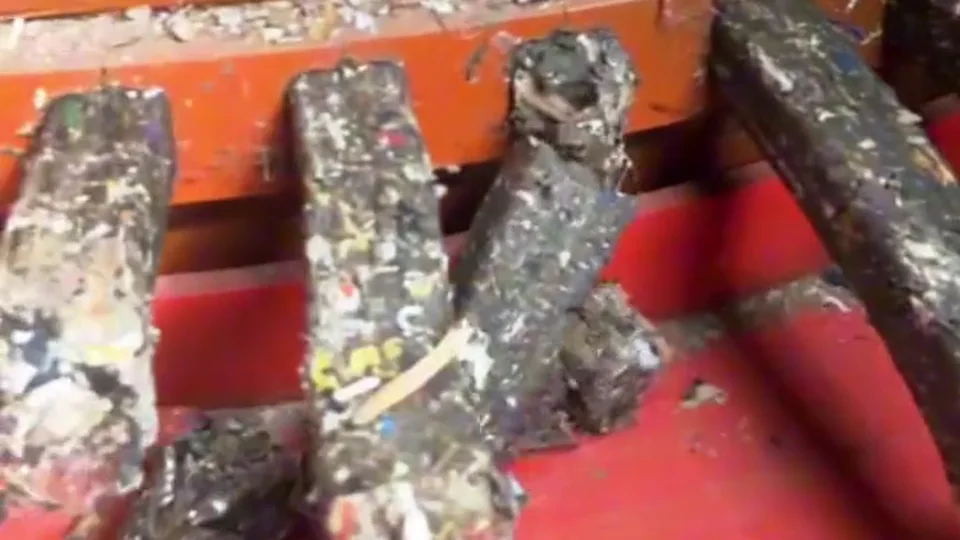
Close-up views from the recordings show the feed hopper, cutting chamber and briquette discharge.
| Where the output goes | What to define |
|---|---|
| Sorting equipment | Acceptable material size and shape, and the required feed conditions. |
| Further shredding | The next machine’s feed limits, including any long strips or oversized pieces that need to be controlled. |
| Fuel preparation or use | The receiving facility’s requirements for size, shape, conveying and feeding. |
Acceptable material size and shape, and the required feed conditions.
The next machine’s feed limits, including any long strips or oversized pieces that need to be controlled.
The receiving facility’s requirements for size, shape, conveying and feeding.
Screening separates material by size. Magnetic separation removes ferrous metals, while air separation separates lighter and heavier fractions. These perform different tasks: size screening alone does not replace contaminant removal. Their position in a line depends on the treatment already completed and the next process’s receiving requirements. BoRay’s supporting conveyors can be configured around the selected equipment interfaces.
Shredding primarily changes material size. Suitability as a fuel also depends on composition, moisture, calorific value, chlorine content and other receiving requirements; fragment appearance alone cannot confirm fuel quality.
Select by Processing Task
Primary reduction prepares bulky wood, packaging and mixed waste for conveying, sorting or further treatment.
| Incoming material | Equipment to evaluate | Selection checks |
|---|---|---|
| Bulky wood, furniture and irregular mixed waste | BRDS heavy-duty double shaft shredding for primary reduction | Largest items, hard contaminants, loading method and operating load |
| Baled packaging and bulky mixed combustible fractions | Assess primary shredding around the bale and material mix | Bale dimensions, composition, flexible fractions and the next process |
| Sorted or pre-shredded feed requiring closer output control | BRS-H heavy-duty single shaft shredding as a conditional sizing option | Current size, long flexible pieces, screen choice and receiving limits |
BRDS heavy-duty double shaft shredding for primary reduction
Largest items, hard contaminants, loading method and operating load
Assess primary shredding around the bale and material mix
Bale dimensions, composition, flexible fractions and the next process
BRS-H heavy-duty single shaft shredding as a conditional sizing option
Current size, long flexible pieces, screen choice and receiving limits
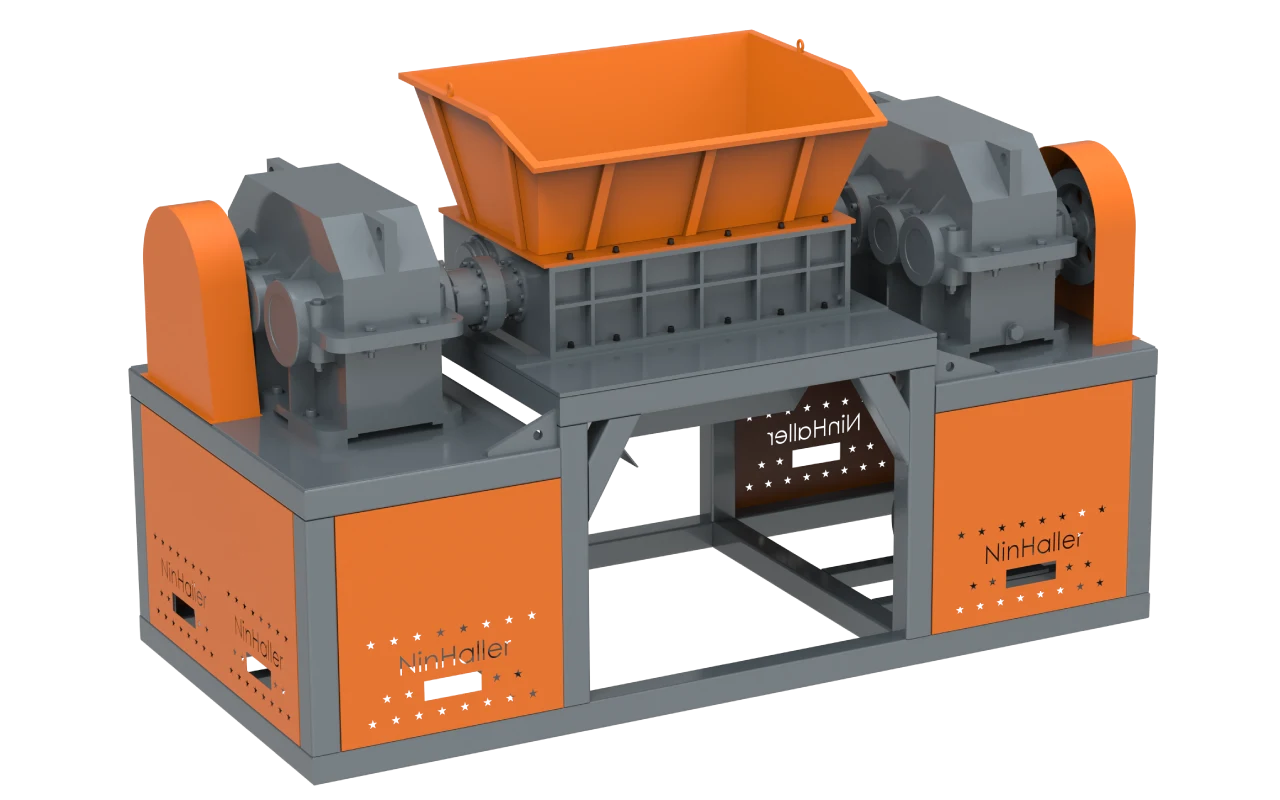
BRDS · Heavy-Duty Primary Shredding
Twin rotors grip, tear and shear bulky feed before conveying, sorting or further treatment. Evaluate BRDS where larger items or heavier operating loads call for a heavy-duty configuration.
Select the chamber, cutters and drive around the actual material mix and largest items. Gearbox options follow the selected configuration; they are not identical across all models.
View Double Shaft Models & Specifications →Typical configurations are shown for reference. Final model selection and equipment configuration depend on your material, required throughput and output requirements.
| Parameter | BRDS-1600 | BRDS-1800 | BRDS-2000 |
|---|---|---|---|
| Cutting chamber (mm) | 1600 x 1100 | 1800 x 1000 | 2100 x 1300 |
| Blade diameter (mm) | Dia. 550 | Dia. 550 | Dia. 650 |
| Blade thickness (mm) | 60 | 60 | 60/80 |
| Power (kW) | 90 + 90 | 75 + 75 | 200 + 200 |
| Overall size (mm) | 5630 x 3160 x 3200 | 6110 x 4950 x 5520 | 6700 x 3700 x 3600 |
| Machine weight (kg) | 16000 | 22000 | 29000 |
| Parameter | BRSH-1500 | BRSH-2000 | BRSH-2200 | BRSH-3000 |
|---|---|---|---|---|
| Cutting chamber (mm) | 1700 x 1500 | 1700 x 2000 | 1700 x 2200 | 1970 x 3000 |
| Rotor diameter (mm) | 460 | 460 | 600 | 800 |
| Screen hole (mm) | Dia. 40 customizable | Customizable | Customizable | Customizable |
| Power (kW) | 90 + 5.5 | 75 + 75 + 7.5 | 132 + 132 + 11 | 220 + 220 + 11 |
| Overall size (mm) | 2550 x 3750 x 2750 | 2550 x 4350 x 2750 | 2750 x 5640 x 2900 | 2850 x 6950 x 3700 |
| Machine weight (kg) | 13000 | 15500 | 21000 | 30000 |
Fit the Equipment to the Site
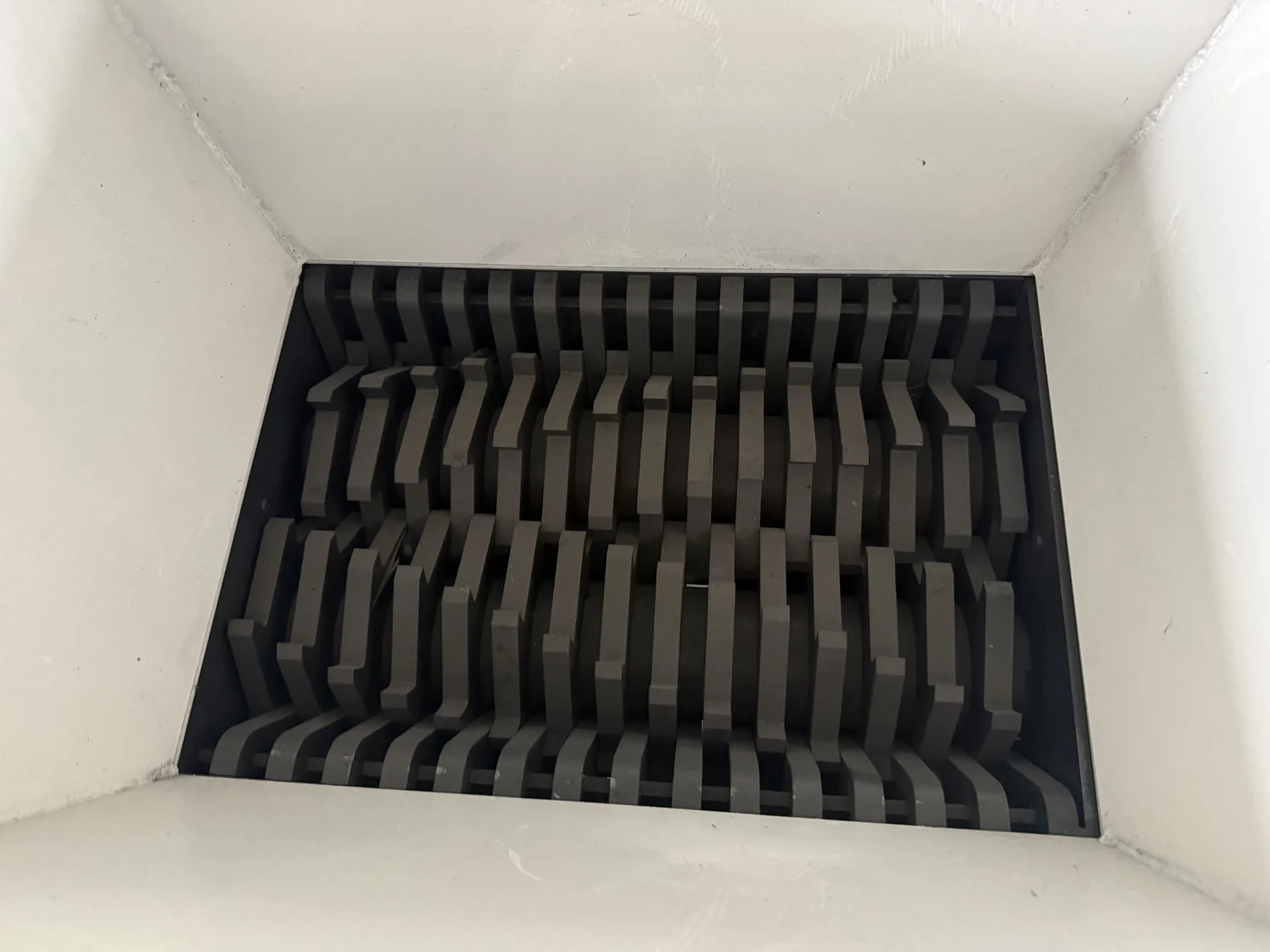
Double shaft rotors grip and shear the feed. Cutter thickness and tooth profile influence engagement, so compare them with the size and shape of your material. For a selected BRS-H sizing stage, review its chamber and swing-arm pressing system against the prepared feed.
Double shaft cutter width does not define the finished fragment size. Where a BRS-H screen is used, material that cannot pass remains for further cutting. Screen openings help control discharge but do not define the maximum length of every fragment.
PLC load monitoring and reverse control respond to uneven feeding loads. Removable fixed knives provide access to the double shaft cutting area for servicing. These features do not replace feed inspection or the shutdown and isolation procedures required by the machine instructions.
BoRay supplies supporting conveyors configured around the material form, loading method, transfer height and receiving position. For an existing line, site photos or a layout help define the connection between the shredder discharge and the next equipment.
Manufacturing
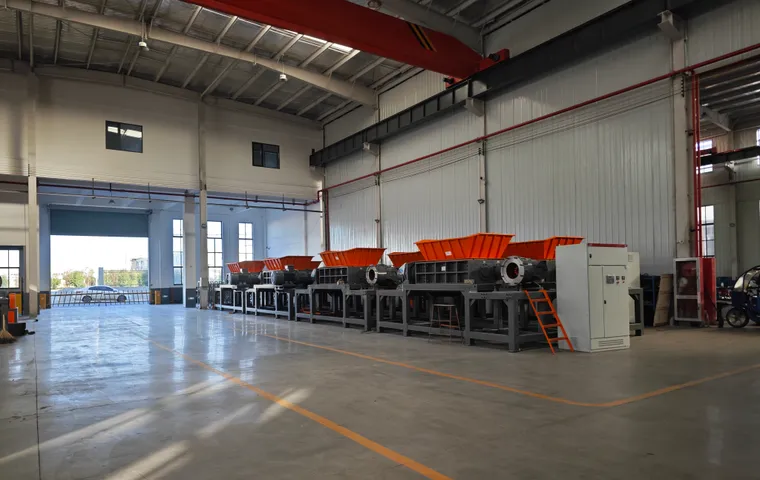
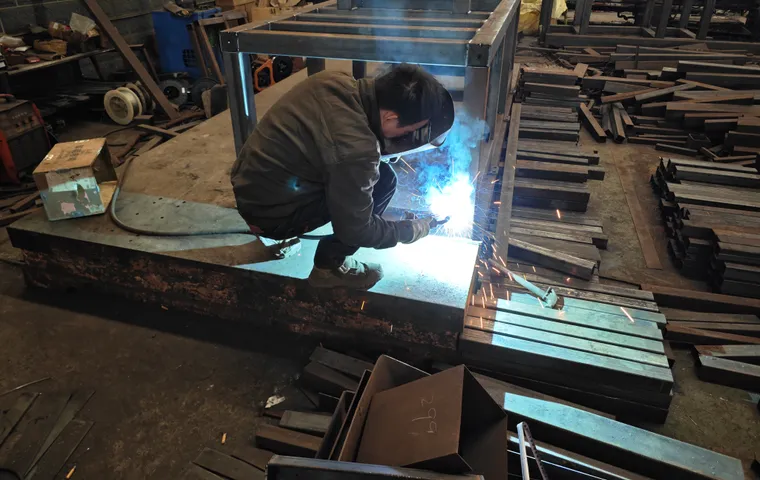
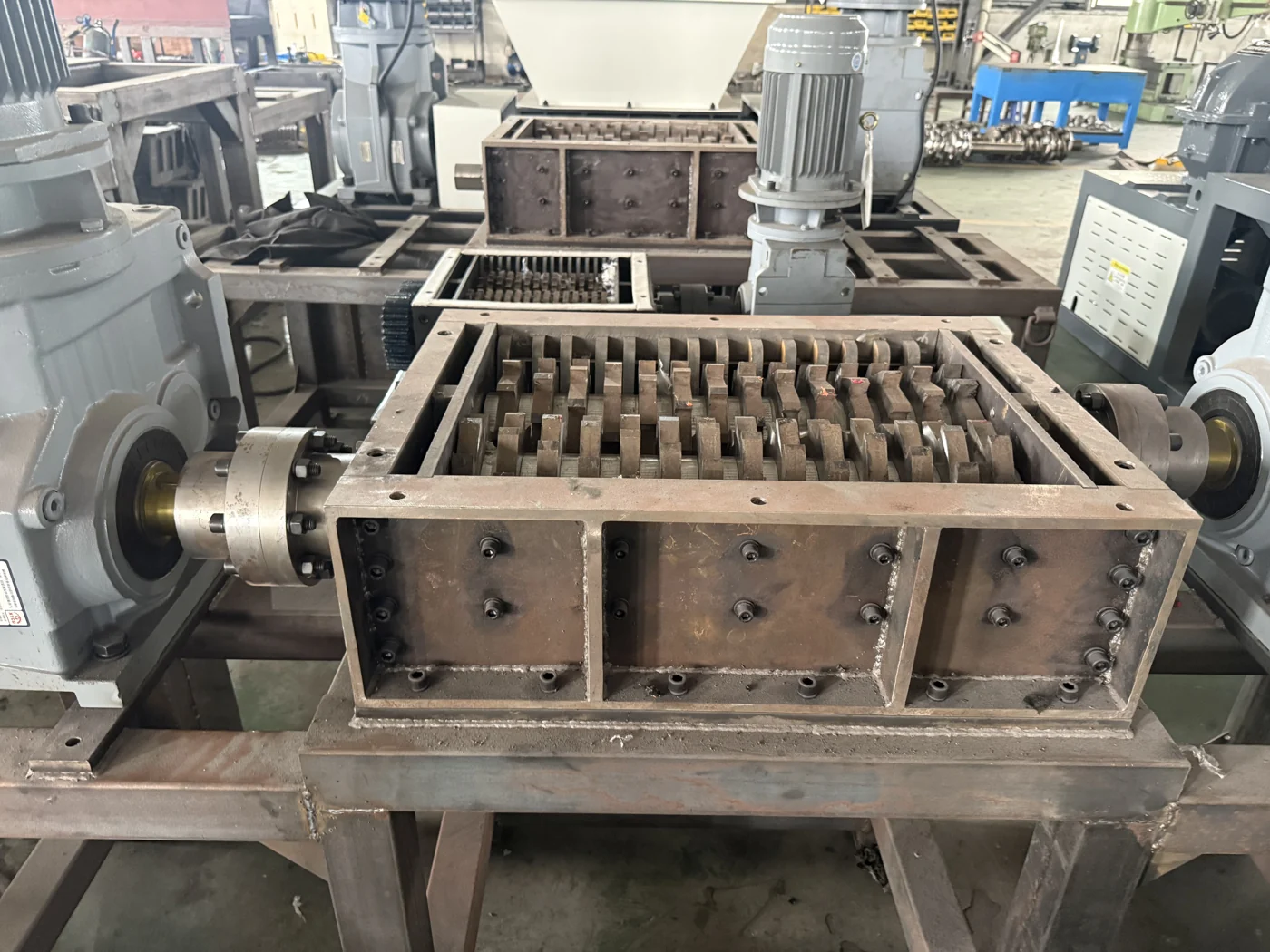
View BoRay workshop photos of frame welding and equipment assembly. Review the machine structure and manufacturing process alongside your project requirements.
Request a Quote
You do not need a complete technical plan to start. Tell us what you process, which treatment stage you have reached and where the output should go.
Send feed photos or short videos through WhatsApp or email. Include any receiving specification, target throughput, working hours or site layout you already have.

Project Consultant
I can help define the shredding task within your RDF preparation or general solid waste process, and compare single shaft, double shaft and supporting conveyor configurations.
Frequently Asked Questions
A shredder reduces material size. Suitability as a fuel also depends on feed selection, contaminant removal and the receiving facility’s requirements. Assess shredding as part of the overall treatment route for complex mixed waste.
No. The number of stages depends on the incoming material, previous treatment and required output.
For bulky, irregular or mixed feed, evaluate BoRay’s BRDS heavy-duty double shaft range for primary reduction. For selected or pre-treated material requiring screen-controlled sizing, evaluate BRS-H. Final selection depends on the material, required throughput and output requirements.
Yes. Explain whether the output will enter sorting equipment, another shredder or a fuel preparation or feeding process. Receiving-equipment requirements, sample photos or a material specification can help narrow the options.
Yes. BoRay supplies shredders and supporting conveyors. Describe your loading method, discharge destination and available space so that conveying and receiving interfaces can be reviewed.
Not necessarily. Composition, moisture, bulk density, feed dimensions, output requirements and continuity of feeding affect actual performance. Define the material, equipment configuration and output target when discussing throughput.
General solid waste projects can also be assessed. Bulky waste reduction, transfer preparation and pre-sorting are within this application scope, with the configuration selected for the specific task.
Start with a feed photo or a short site video. Tell us your processing target and discuss a suitable shredder and conveyor configuration.
Contact BoRay