
BoRay industrial shredder equipment

Industrial Metal Recycling Equipment

Heavy-Duty Metal Shredder Machines for Scrap Volume Reduction

Prepare drums, profiles, appliance scrap, aluminum, cables, and selected industrial metal waste for separation, baling, or remelting preparation. BoRay evaluates the chamber, cutters, and drive around scrap shape, thickness, and operating load.

Shape and thickness before motor power Thin hollow scrap and dense solid pieces require different feeding and cutting assessments.
Primary reduction or controlled sizing? Choose the shredding stage around the needs of your separator, baler, or next recovery process.

Your Metal Feed

“Metal scrap” is too broad to select a machine

A steel drum, an aluminum profile, and a thick solid component do not load the cutting system in the same way. Dimensions, wall thickness, hardness, and the proportion of mixed materials all affect the selection.

Describe the scrap as it will actually be fed. Photos showing the largest pieces and their cross-sections help distinguish a primary volume-reduction task from a project that needs more controlled sizing.

Your Metal Feed selection guide
Your feedWhy it mattersWhat to evaluate
Drums and hollow containersLarge outer dimensions can hide thin walls, internal parts, or remaining contents.Diameter, wall thickness, construction, and residual contents to review before feeding.
Aluminum profiles and production scrapProfile shape and section thickness influence cutter engagement.Alloy or scrap type if known, cross-section, piece length, and desired discharge.
Vehicle and appliance scrapHousings, panels, frames, and mixed assemblies vary in composition.What has been removed upstream, largest pieces, and the remaining nonmetal content.
Steel, iron, and heavier industrial scrapThick or hard solid pieces create different loads from light sheet and hollow sections.Thickness, hardness if known, and individual heavy components requiring assessment.
Cables and mixed scrapFlexible bundles and changing material proportions affect feeding and separation.Bundle dimensions, main metals, contamination, and the intended recovery stage.
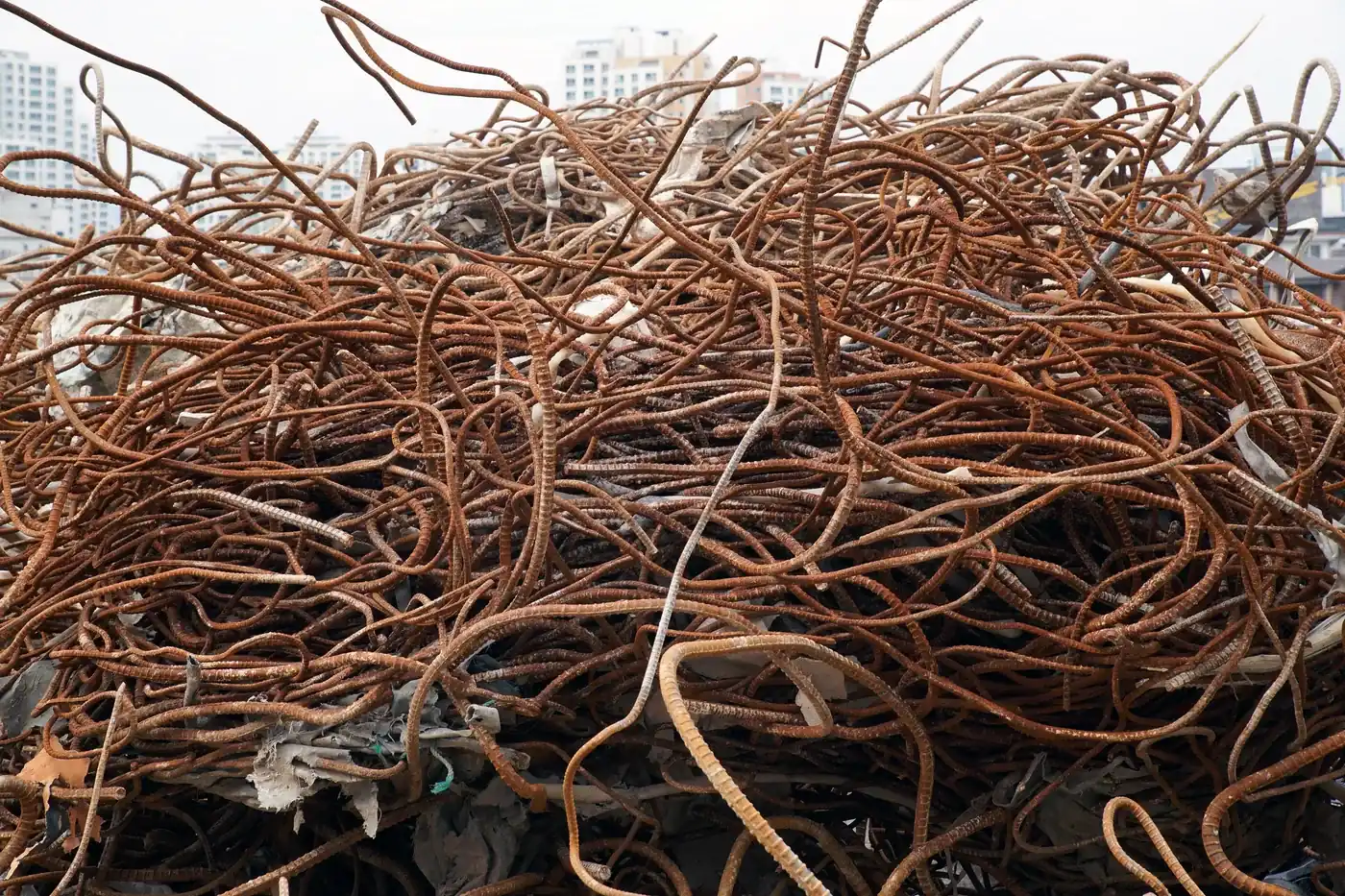
Steel and iron scrap for industrial metal shredder processing
Steel & Iron Scrap
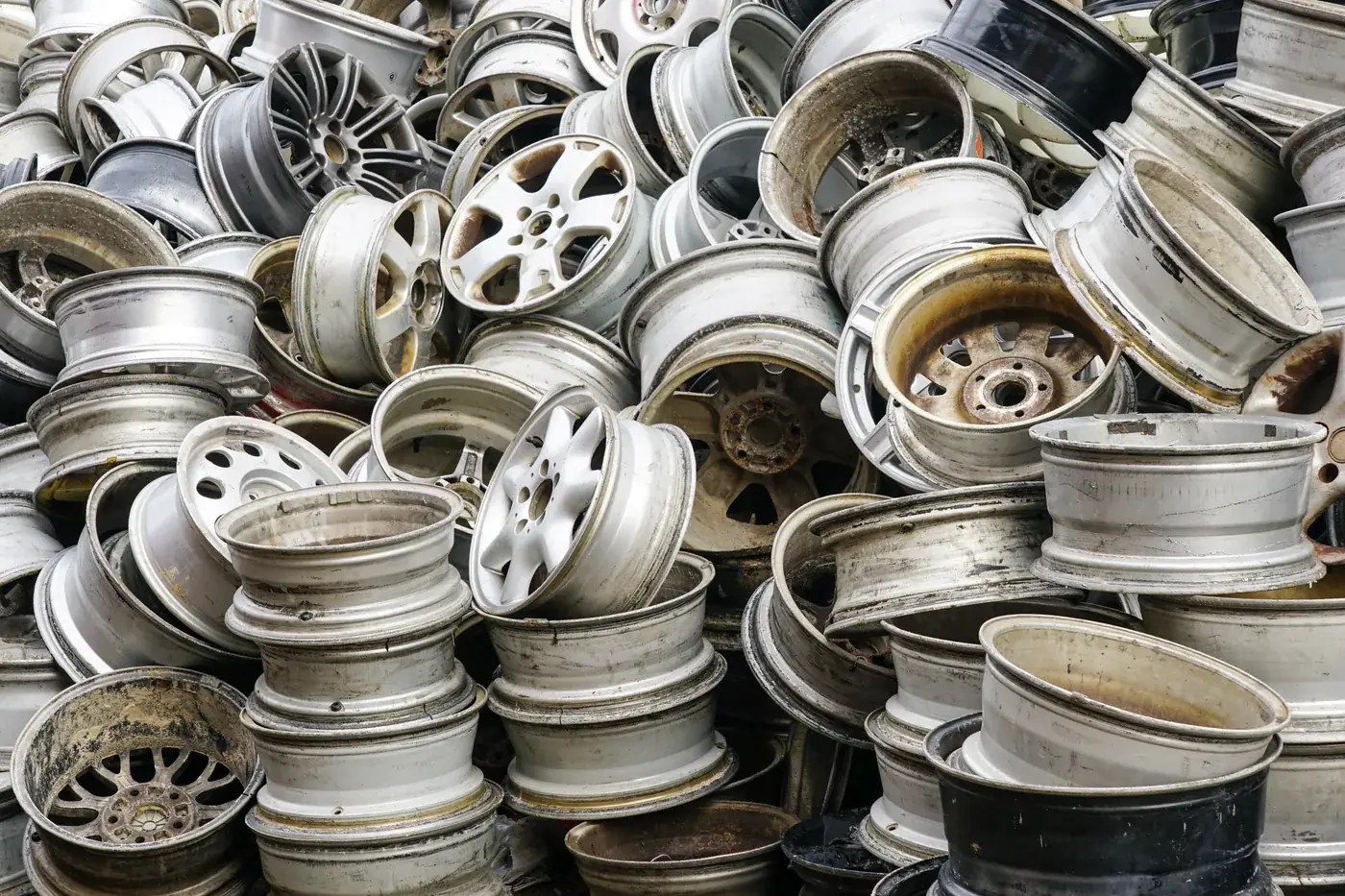
Aluminum alloy scrap and non-ferrous metal waste for shredding
Aluminum & Non-Ferrous Metals
Steel drums and containers for metal shredder volume reduction
Steel Drums & Containers

Machine Selection

Compare primary reduction with selected scrap sizing

Begin with the scrap’s physical form and duty. The material name alone does not determine the machine size or whether a heavier configuration is needed.

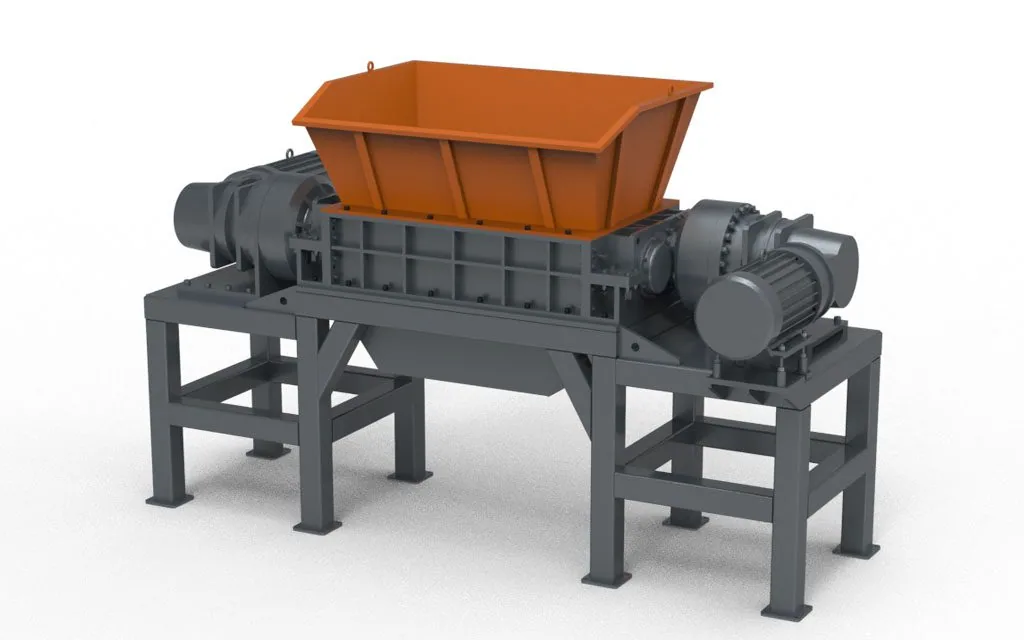
Double shaft metal shredder for bulky scrap volume reduction

Bulky and irregular scrap

Double Shaft Metal Shredder

Twin rotors pull in drums, profiles, appliance housings, and mixed scrap for primary tearing and shearing. Evaluate this route when reducing bulk and preparing material for downstream separation are the main tasks.

Compare Double Shaft Models →
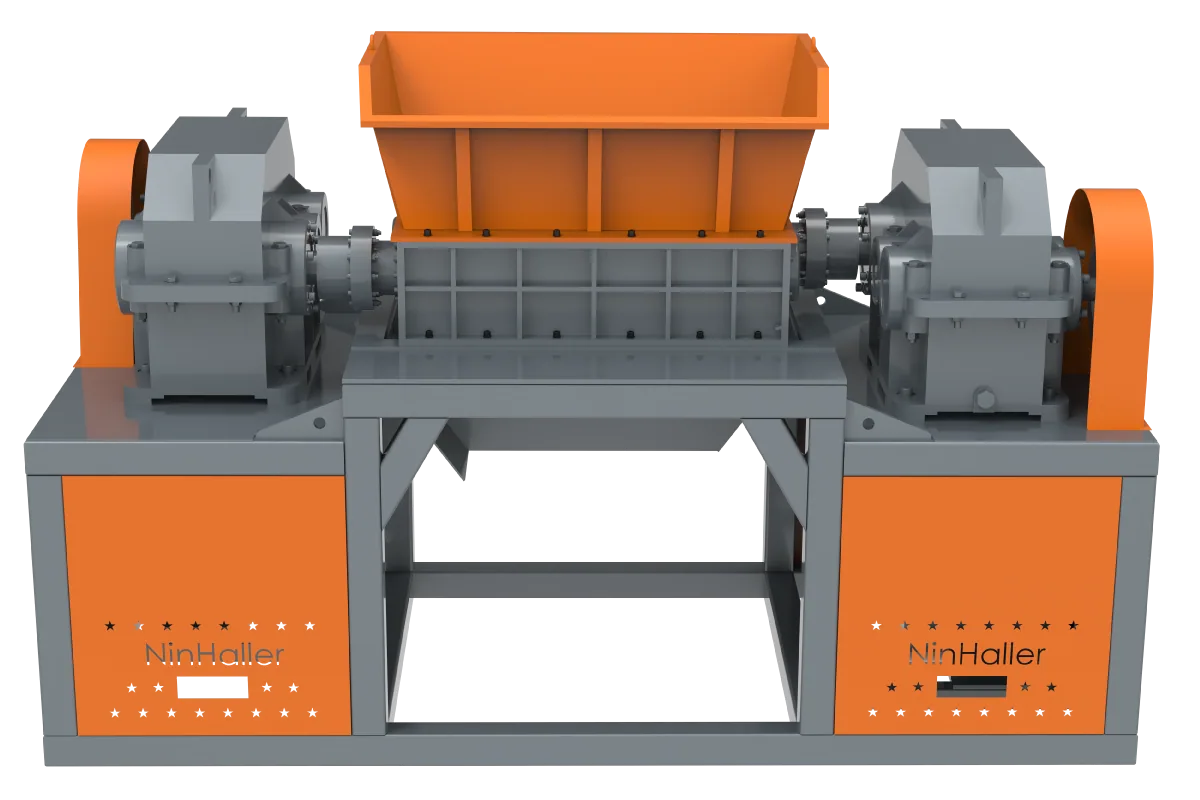
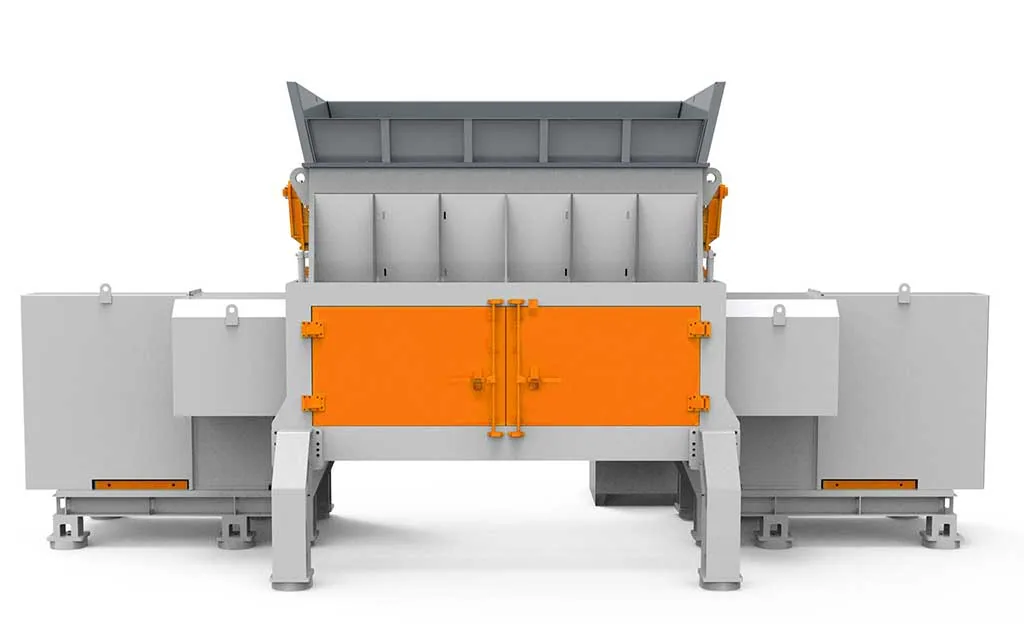
Heavy-duty double shaft shredder for demanding metal scrap processing

Heavier loads and longer duty

Heavy-Duty Double Shaft Metal Shredder

For thicker scrap, larger structures, or longer operating hours, review the heavier drive and machine structure against the actual load. Heavy-duty selection still requires checking individual hard or solid components.

Review BRDS Configurations →
Single shaft shredder evaluation for selected metal production scrap

Selected production scrap

Single Shaft Shredder Evaluation

For selected aluminum and production scrap needing more controlled discharge, evaluate a single shaft arrangement. Suitability depends on the incoming scrap and the rotor, knife, and screen configuration.

Review Single Shaft Options →

The Next Process

Define what the next recovery step needs

Smaller scrap is useful only if it suits the equipment and handling process that follow.

Define what the next recovery step needs
Next stageWhat to define before selecting the shredder
Sorting and metal separationSpecify the incoming piece size and material mix that the separation equipment can accept.
Baling, storage, or transferExplain the feeding and handling problem to solve, including the baler or conveyor interface.
Remelting preparationConfirm the receiving process’s requirements for size, composition, and contamination.
Further size reductionIdentify whether the first machine needs only to pre-shred or must produce feed for a secondary stage.

Shredding does not by itself guarantee metal purity, a specific bulk density, or suitability for every remelting process. Those outcomes depend on the scrap and the full recovery route.

Share your downstream equipment or handling goal so the discharge and line connections can be reviewed together.

Structure and Operation

Review the structure against uneven scrap loads

Cutter engagement, torque transmission, overload response, and maintenance access all matter when the feed varies from batch to batch.

Cutter geometry matched to scrap form

Cutter selection affects how hollow containers, profiles, and irregular pieces enter the cutting zone. Review the largest pieces and section thickness rather than choosing by material name alone.

Frame and drive support under load

The frame, shaft supports, bearings, and gearbox are evaluated as a working assembly for the expected impact and operating duty.

Overload response for uneven feeding

PLC monitoring and reverse control help respond to overloads. They support operation but do not make unassessed hard objects suitable for direct feeding.

Access to cutters and wear parts

Review maintenance access and replaceable components alongside the installation layout so routine service needs are considered before the machine is selected.

Double shaft metal shredder rotor system for bulky scrap
Double Shaft Rotor SystemStrong material engagement for bulky and uneven scrap loads
Heavy-duty double shaft metal shredder machine body
Heavy-Duty Machine BodyReinforced frame and drive structure
Mixed industrial metal waste for metal shredder configuration
Mixed Scrap ApplicationConfigured around the actual material stream

Explore the single shaft structure and knife options or compare double shaft pre-shredding.

Manufacturing

See how the machine is built

BoRay’s workshop records show frame fabrication, equipment assembly, and finished-machine checking. Review the structure details alongside the manufacturing process.

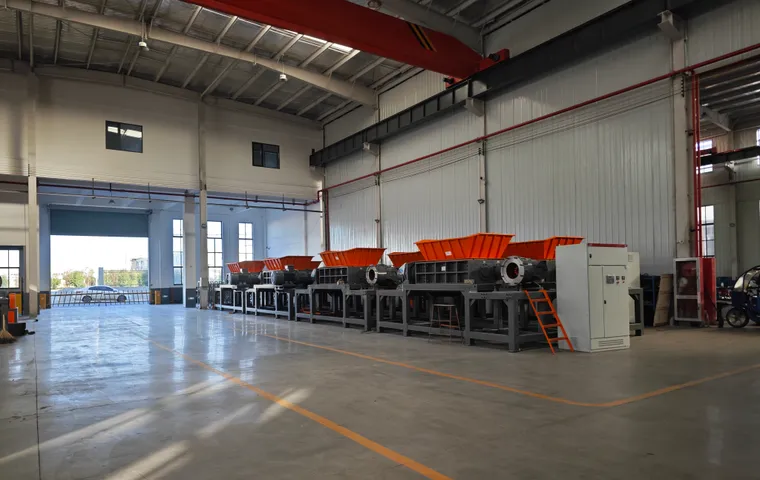
BoRay shredder factory workshop with industrial shredders in stock
Workshop stock and assembly areaReal factory floor with shredders under assembly and inspection.
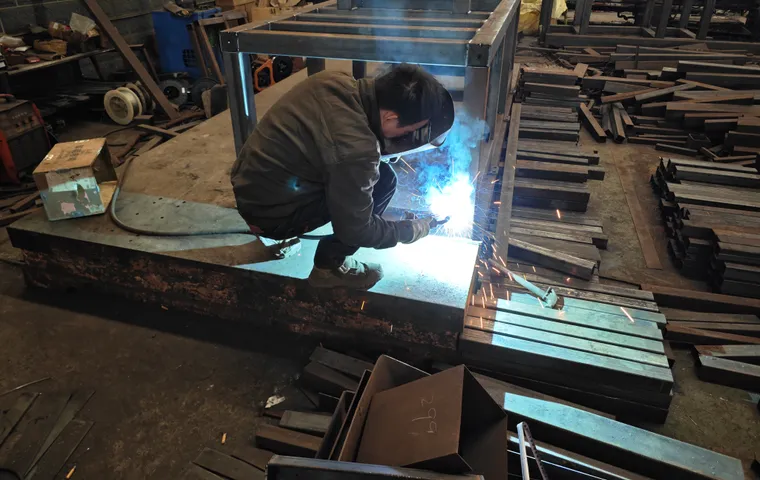
BoRay shredder frame welding and manufacturing process
Frame welding and fabricationIn-house fabrication work supports heavy-duty frame structure control.
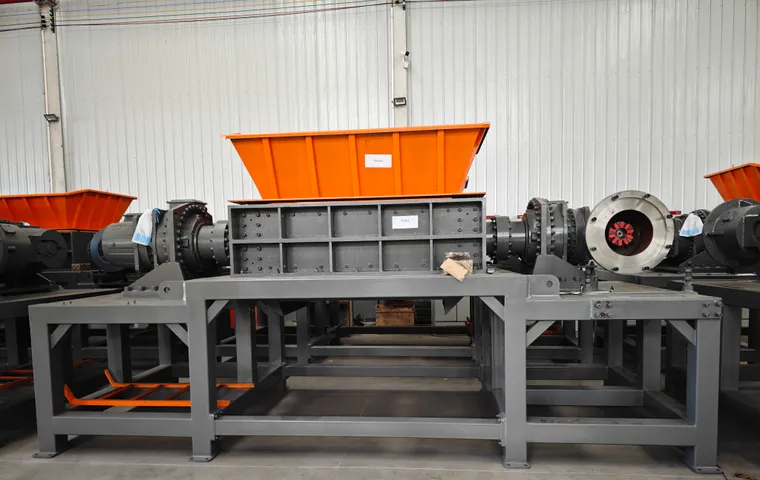
BoRay industrial shredder equipment assembled in factory
Completed shredder equipmentFinished machines are assembled and checked before project delivery.
View Factory Process

Request a Quote

Show us the scrap you need to reduce

Start with a photo and approximate dimensions. We will help identify the thickness, composition, and downstream requirements needed to compare suitable configurations.

Send photos or short videos through WhatsApp or email.

  • Main scrap type and physical form
  • Largest dimensions and thickness, if known
  • Next separation, baling, or recovery step
  • Operating hours and target capacity, if known

Fields marked with * are required. Project details are optional; share what you know and we will help clarify the rest.

Frequently Asked Questions

Metal shredding questions

Is a machine suitable for all scrap with the same metal name? +

No. Thin sheet, hollow profiles, cast components, and thick solid pieces create different feeding and cutting loads. The actual geometry, thickness, hardness, and material mix need to be reviewed.

Can drums and mixed assemblies be evaluated from photos? +

Photos and approximate dimensions are useful starting points. Include wall thickness if known, internal components, and any remaining contents so the feed condition can be assessed before quotation.

When should a heavier double shaft configuration be considered? +

Larger feed, thicker scrap, higher impact loads, and longer working hours can justify reviewing a heavier configuration. The final choice depends on the scrap and duty, rather than a blanket claim that all heavy metal can be processed.

Can a single shaft machine be used for metal? +

It can be evaluated for selected aluminum and production scrap requiring more controlled output. Suitability must be checked against the material, feeding arrangement, rotor, knives, and screen.

Does shredding produce clean, furnace-ready metal? +

Not by itself. The required separation and preparation steps depend on the starting scrap and the receiving process’s requirements for composition, size, and contamination.

Which scrap shape is causing the problem?

Send a photo or describe the material and next recovery step. We will help narrow the machine and configuration options.

Discuss Metal Shredding