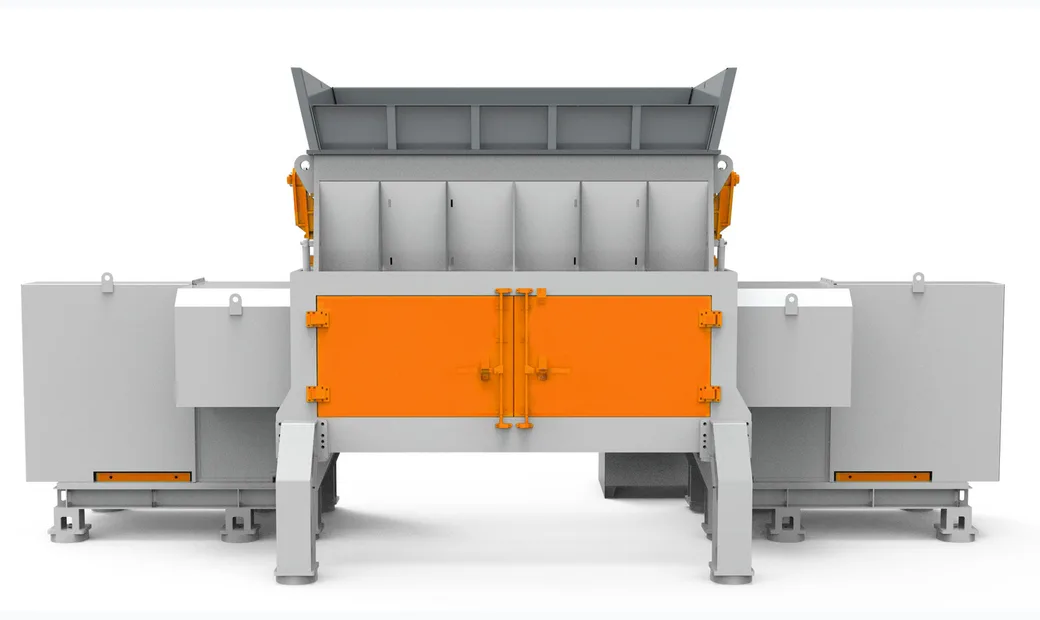
BoRay industrial shredder equipment

Tire Recycling Pre-Processing Equipment

Heavy-Duty Tire Shredder Machines for Steel-Belted Waste Tire Recycling

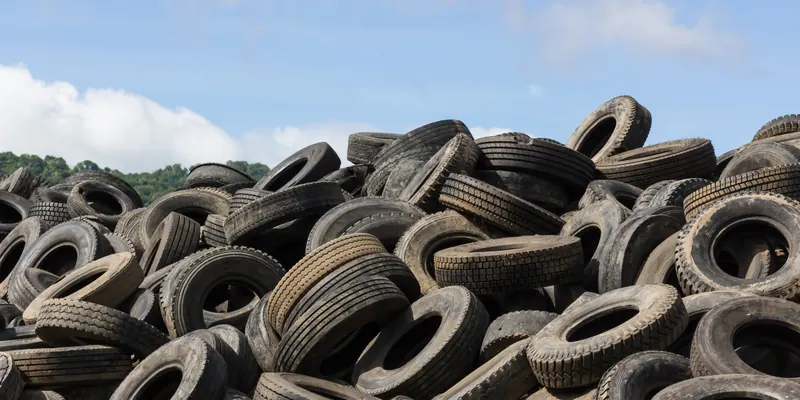
Bulky waste tires are difficult to feed, hard to compress, and tough on drive systems. BoRay low-speed, high-torque industrial tire shredder machines reduce whole tires, truck tires, OTR tires, and reinforced rubber into manageable rubber pieces for separation, pyrolysis preparation, fuel preparation, or further size reduction.

Whole Tire & OTR Feeding For passenger tires, truck tires, OTR tires, and reinforced rubber materials.
High Torque for Steel-Belted Tires Designed to handle elastic tire structures and heavy steel-reinforced loads.
Auto Reverse Overload Protection Helps release overloaded material and reduce manual intervention during heavy feeding.
Output Matched to Your Process Configured according to tire type, feed size, steel content, capacity, and next-stage use.

Built for Front-End Tire Size Reduction

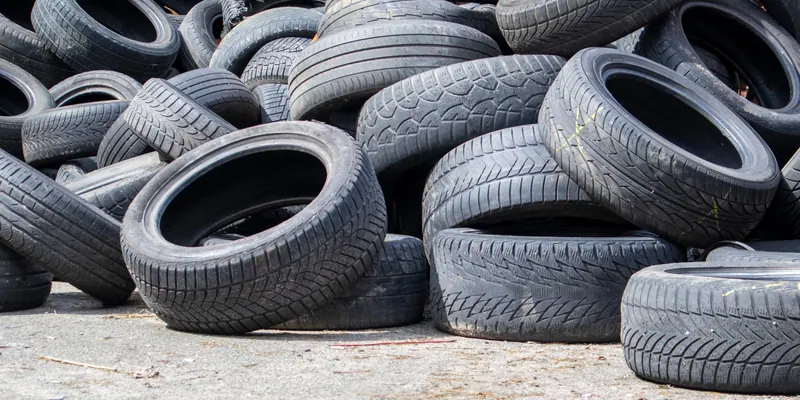
  • Waste tires take up space, rebound during feeding, and place heavy stress on the drive system, especially when steel wire is involved.
  • A properly configured industrial tire shredder machine reduces whole tires into smaller rubber pieces, making the material easier to convey, separate, store, and process in the next stage.
  • Machine configuration is selected according to tire type, maximum tire diameter, steel content, target output size, required capacity, and the next step after shredding, such as wire separation, pyrolysis preparation, TDF preparation, or rubber recovery.

The Real Challenge

Waste tires are difficult to reduce because they are elastic, bulky, and reinforced.

Waste tires are not easy to process with ordinary size-reduction equipment. Their elastic rubber structure, internal steel wires, large shape, and rebound during feeding all place high stress on the machine.

For tire recyclers and waste processors, the first shredding stage must do more than reduce tire volume. It needs strong material grabbing ability, stable low-speed high-torque operation, PLC overload protection, and a structure designed for continuous tire processing.

Tire Type Match

What tires can be processed?

Different tire types require different torque, feeding, rotor, and discharge configurations. The machine should be selected based on tire size, tire construction, steel content, and the required output form.

Passenger car tires prepared for tire shredder recycling

Passenger Car Tires

Suitable for common end-of-life passenger tires used in tire recyclers, rubber recovery operations, and pre-processing projects.

Truck and bus tires for heavy-duty tire shredder processing

Truck & Bus Tires

Configured for larger and heavier tires with stronger steel reinforcement and higher torque requirements.

Agricultural and tractor tires for tire shredder pre-processing

Agricultural & Tractor Tires

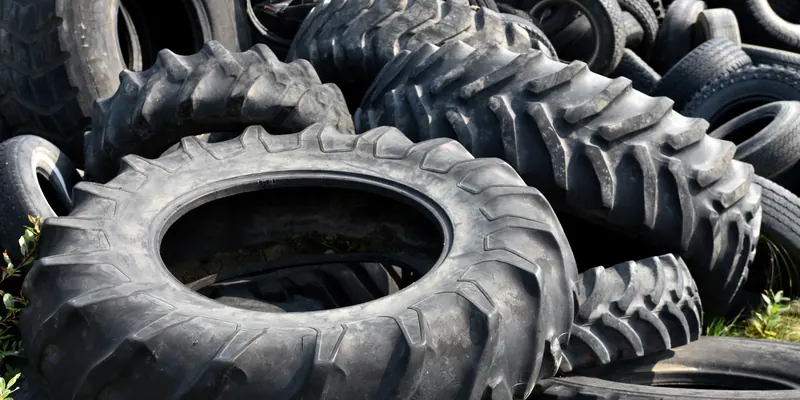
For larger tire structures that require stronger feeding performance and careful configuration according to tire size and rubber thickness.

OTR and mining tires for industrial tire shredder configuration

OTR Tires

For selected OTR and mining tires, configuration should be evaluated based on tire diameter, thickness, steel content, feeding method, and output requirement.

Industrial tires and reinforced rubber tire materials for shredding

Forklift & Industrial Tires

Suitable configurations can be evaluated for solid or reinforced industrial tires depending on rubber density and operating conditions.

Mixed waste tire stream for tire shredder evaluation

Mixed Waste Tire Streams

For operations handling mixed tire sizes, machine configuration and feeding control should be matched to the most demanding tire types in the material stream.

Processing Value

Turn bulky waste tires into materials ready for the next process

Reduce tire volume

Whole tires take up large storage space and increase transport costs. Shredding reduces tire volume and makes materials easier to store, load, convey, and process.

Prepare rubber for the next step

Primary tire shredding produces rubber pieces that can enter secondary shredding, granulation, pyrolysis preparation, or other recovery steps.

Support steel wire recovery

As tire structure is opened during shredding, steel wires can be released and further separated by next-stage equipment.

Improve material handling stability

Smaller and more manageable tire materials help conveyors, separators, screens, and granulators operate more smoothly.

Process Flow

Typical tire shredding workflow

An industrial tire shredder machine usually works as the front-end size reduction stage. Conveying, screening, magnetic separation, secondary shredding, granulation, dust collection, and output handling can be discussed according to the material goal.

BoRay tire shredding and separation workflow overview diagram

Configured around the shredder and output target

The final layout is selected according to tire type, maximum tire diameter, steel wire content, target output size, required capacity, site layout, and whether the project needs rubber blocks, steel wire recovery, rubber chips, granules, pyrolysis preparation, or TDF preparation.

01

Feeding

Whole tires enter the line by conveyor, grab system, or loading equipment.

02

Primary Shredding

High-torque rotors reduce bulky tires and open the reinforced rubber structure.

03

Screening & Transfer

Discharged material is conveyed and prepared for screening or separation.

04

Steel Wire Recovery

Magnetic separation can recover released steel from shredded tire material.

05

Output Preparation

Rubber output can be prepared for chips, granules, pyrolysis, TDF, or reuse.

Machine Reliability

Designed for tire recycling conditions

Tire shredding places high stress on the rotor system, drive system, gearbox, frame, and control logic. An industrial tire shredder machine should be evaluated as a complete working configuration, not only by motor power.

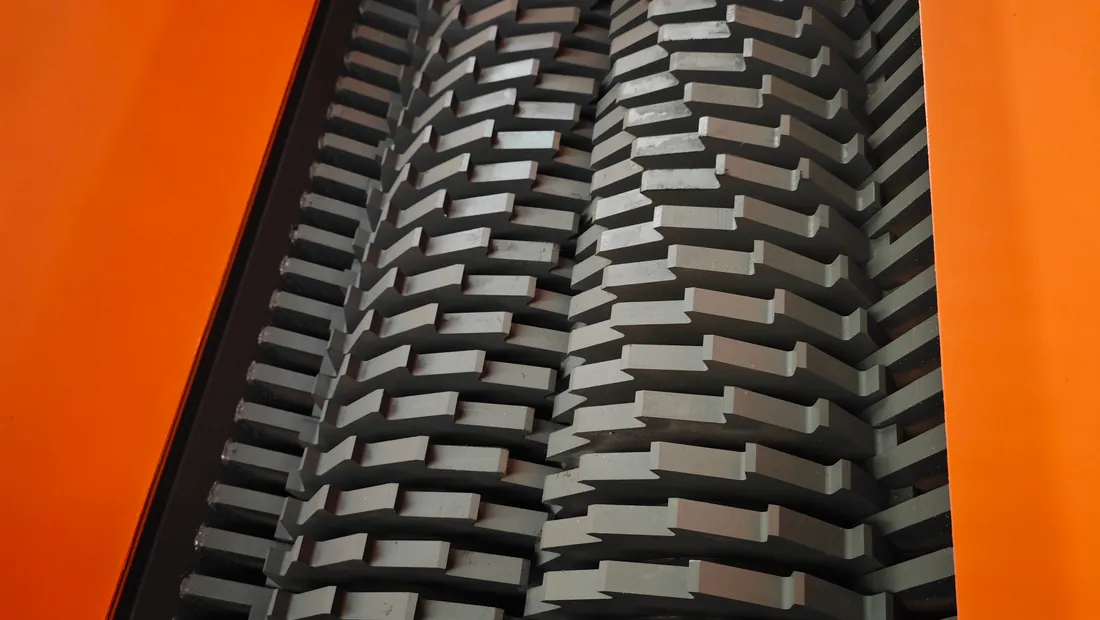
Tire shredder rotor and cutting chamber with heavy-duty blades

Core Structure

Rotor System

Cutting chamber and rotor structure

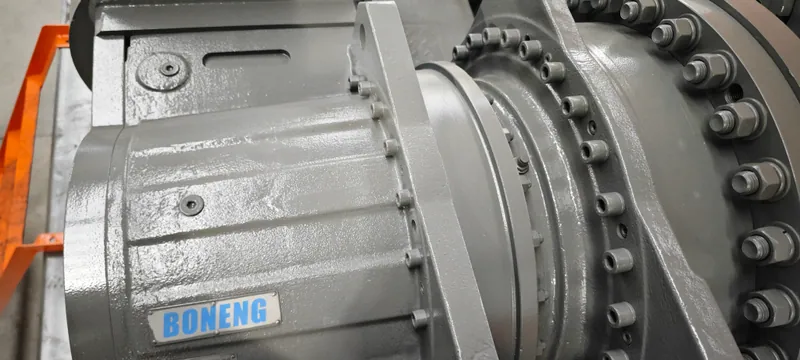
Heavy-duty gearbox for industrial tire shredder drive system

Gearbox Assembly

Heavy-load drive transmission

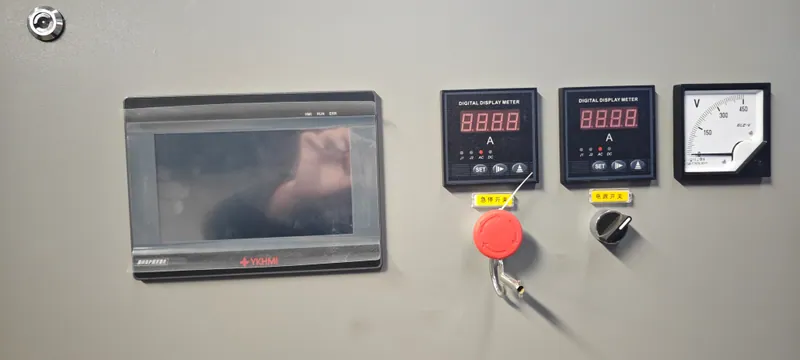
PLC control panel for tire shredder overload protection

PLC Control Cabinet

Load monitoring and reverse control

High-torque drive and gearbox system

The low-speed drive and heavy-duty gearbox are configured together to deliver stable torque for elastic rubber, steel-belted tires, and difficult feeding conditions.

Strong material grabbing ability

The rotor structure is configured to pull bulky tires into the working area and reduce bouncing or unstable feeding during operation.

Impact-resistant alloy steel blades

Blade material and thickness are selected for impact resistance, stable cutting, and longer service life. DC53 and other alloy steel options can be evaluated according to tire type, steel content, and wear-resistance requirements.

Replaceable wear parts

Replaceable wear parts help simplify maintenance and reduce downtime when processing abrasive rubber materials and steel-reinforced tire structures.

PLC control with automatic reverse

The PLC control system monitors load conditions and activates automatic reverse when overload is detected, helping release difficult material and reduce manual intervention.

Custom screen sizing and quick replacement

Screen openings can be configured around the target output size, and replaceable screen sections help simplify size control before granulation, separation, or reuse processes.

Dust collection interface

Dust collection points can be considered around feeding, discharge, or transfer areas based on site layout and operating requirements.

Feeding and discharge interface

The shredder can be discussed with conveyors, magnetic separation, screening, granulation, dust collection, and control interfaces according to project requirements.

Factory Evidence

Factory-built, checked, and prepared for delivery

Before choosing a tire shredder supplier, buyers need more than product photos. These workshop records show real manufacturing, assembly, and final checking, helping you confirm the factory behind the quotation.

Real workshop photos from production and assembly

Welding, assembly, and finished-machine checking

Configuration checked around your material and output target

Additional manufacturing details available in About

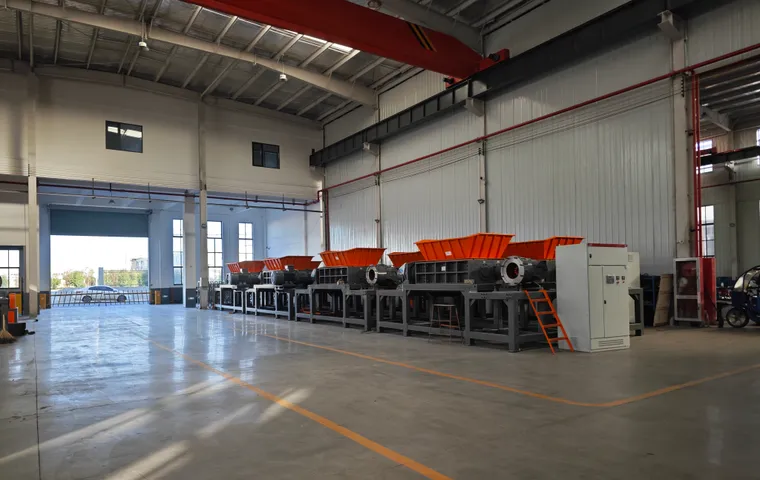
BoRay shredder factory workshop with industrial shredders in stock

Workshop stock and assembly area

Real factory floor with shredders under assembly and inspection.

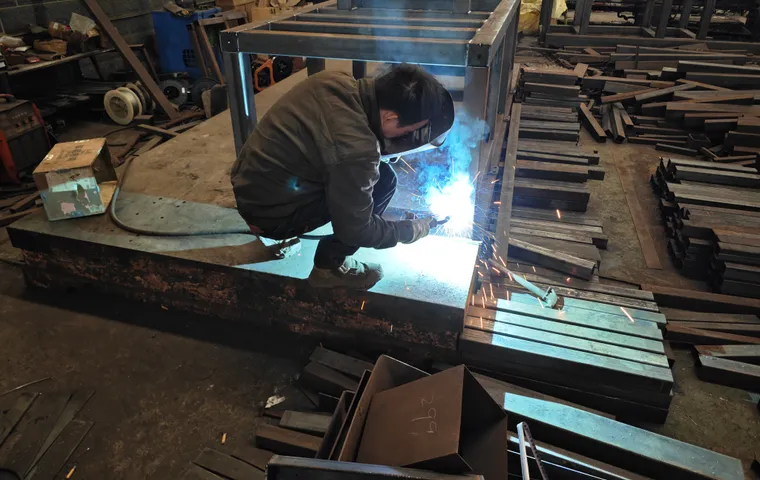
BoRay shredder frame welding and manufacturing process

Frame welding and fabrication

In-house fabrication work supports heavy-duty frame structure control.

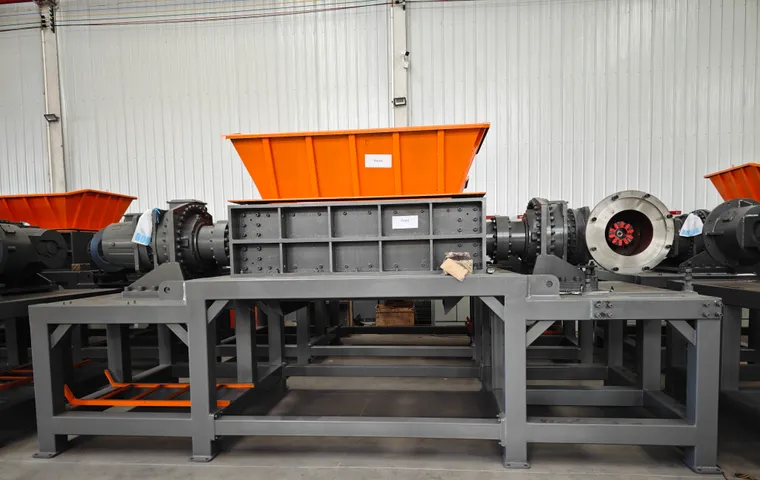
BoRay industrial shredder equipment assembled in factory

Completed shredder equipment

Finished machines are assembled and checked before project delivery.

Machine Selection

Choose the right industrial tire shredder machine type

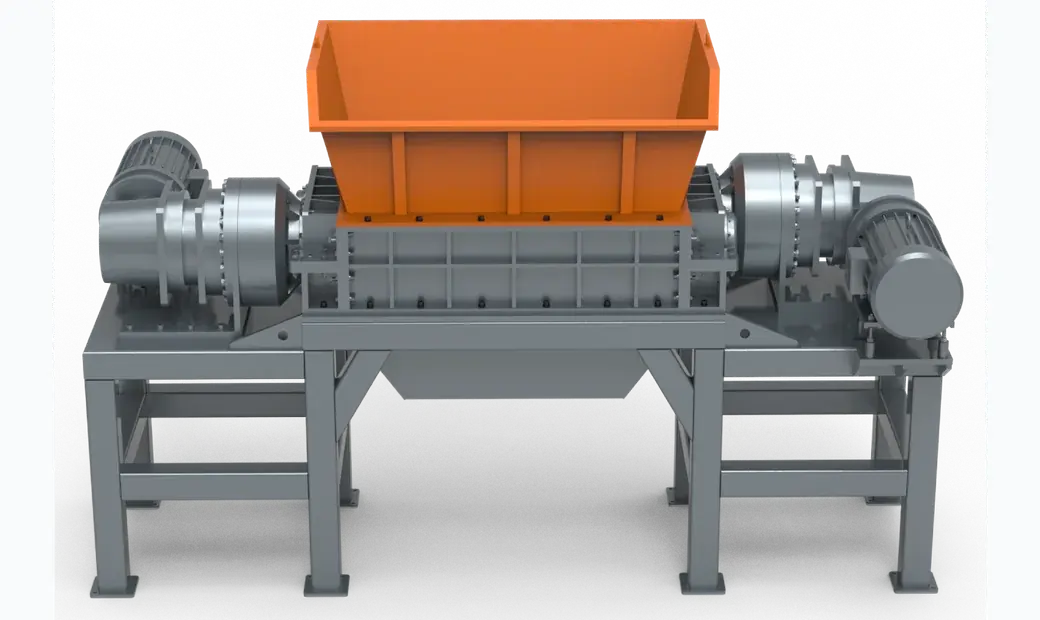
When comparing industrial tire shredder machine options, the first choice is usually between a double shaft shredder machine for whole-tire primary shredding and a single shaft shredder machine for more controlled secondary size reduction.

Heavy-duty double shaft tire shredder for whole tire primary shredding

For whole tire primary shredding

Heavy-Duty Double Shaft Tire Shredder Machine

Recommended for front-end size reduction of whole passenger tires, truck tires, mixed waste tires, and selected reinforced rubber. Twin rotors provide strong grabbing ability and stable high torque for bulky, elastic, steel-belted materials.

  • Whole tire feeding
  • Truck and bus tires
  • Mixed waste tires
  • High-torque primary shredding
  • Front-end volume reduction
Heavy-duty single shaft tire shredder for controlled rubber size reduction

For controlled output sizing

Heavy-Duty Single Shaft Tire Shredder Machine

Suitable when the material is pre-cut tires, rubber blocks, sidewalls, or tire-derived rubber that needs more controlled discharge size. The rotor, screen opening, blade material, hydraulic feeding, and drive power can be configured according to the output target.

  • Pre-cut tire pieces
  • Rubber blocks and sidewalls
  • Screen-controlled output
  • Secondary size reduction
  • Projects requiring tighter discharge size

Output Direction

From waste tires to reusable rubber and steel materials

The final output depends on the selected shredder configuration and the next processing step. Tire shredding is usually the first step, preparing material for further recovery or reuse.

Rubber blocks produced by a tire shredder for further handling

Primary Output

Rubber Blocks

Produced after primary shredding and suitable for conveying, temporary storage, separation, or further size reduction.

Recovered steel wire separated from shredded waste tires

Metal Recovery

Recovered Steel Wire

Steel wire can be separated from shredded tire material using separation equipment.

Rubber granules prepared from waste tire recycling process

Further Size Control

Rubber Chips or Granules

With secondary shredding and granulation, rubber can be further processed into smaller sizes for selected recycling applications.

Recycled tire rubber material used for sports surface applications

Further Reuse

Material for Further Processing

Processed tire materials can be prepared for granulation, molded rubber products, sports surfaces, pyrolysis preparation, fuel preparation, or other recycling uses.

01

After primary shredding

02

After wire separation

03

After secondary shredding

04

For pyrolysis, TDF, rubber reuse

Request a Quote

Send tire size, steel content, and output target

A few practical details are enough for the first equipment recommendation. Tell us tire type, maximum tire diameter, steel content, target output size, required capacity, and the next step after shredding.

Fields marked with * are required.

FAQ

Common questions from tire recycling buyers

What tires can a tire shredder process? +

An industrial tire shredder machine can process passenger car tires, truck tires, agricultural tires, tractor tires, selected OTR tires, forklift tires, industrial tires, and mixed waste tire streams. The suitable configuration depends on tire size, tire structure, steel content, feeding method, required output size, and processing capacity.

Can the shredder process whole tires? +

Yes. A primary industrial tire shredder machine is commonly used for whole tire size reduction. Larger tires such as truck tires or selected OTR tires should be evaluated according to diameter, thickness, steel content, feeding method, and required output size.

What are the outputs of tire shredding? +

Primary tire shredding usually produces rubber pieces or rubber blocks. With further processing, the material can become rubber chips, granules, powder, or material prepared for pyrolysis, fuel use, molded rubber products, sports surfaces, or other recovery applications.

How is steel wire recovered from waste tires? +

During shredding, the tire structure is opened and steel wire can be released from the rubber. Steel wire separation equipment can then be used to recover metal from the shredded tire material.

How is output size controlled in tire shredding? +

Output size depends on the industrial shredder machine configuration, rotor design, screen or discharge control options, material condition, and next-stage requirements. For more controlled output, primary and secondary shredding may be recommended.

Stationary vs mobile tire shredder machine: which one should I choose? +

Stationary tire shredders are typically used in centralized processing facilities where continuous operation and higher capacity are required. Mobile configurations may be considered for on-site processing or projects where tire transportation should be reduced. The right choice depends on your site conditions, material source, capacity target, and operating model.

How are overload and downtime reduced? +

A PLC control system can monitor operating load and activate automatic reverse when overload is detected. Proper feeding control, suitable torque configuration, replaceable wear parts, and correct machine selection also help reduce downtime during tire recycling operation.

What affects tire shredder machine capacity? +

Capacity is affected by tire type, tire size, steel content, feeding method, rotor configuration, drive torque, target output size, and working hours. Mixed tire streams or larger reinforced tires usually require stronger configuration and more careful feeding control.

What information is needed for a quotation? +

Please provide tire type, tire size, photos or videos, required capacity, target output size, working hours, and the next step after shredding.

Need an industrial tire shredder machine for your recycling project?

Send us your tire type, tire size, target output size, and required capacity. Our engineers will help evaluate the suitable industrial tire shredder machine configuration for your project.

Request a Tire Shredder Quote