
BoRay industrial shredder equipment

Industrial Plastic Recycling Equipment

Heavy-Duty Plastic Shredder Machines for Recycling and Size Reduction

Prepare plastic lumps, purgings, pipes, film, containers, pallets, and production scrap for washing, granulation, or easier handling. BoRay matches single shaft screen control or double shaft pre-shredding to the form of your feed and the next processing stage.

Material Match Solid, hollow, loose, or baled feed.
Output Control Prepare feed for your next process.

Your Plastic Feed

Start with the plastic you actually process

Solid lumps need sustained contact with the knives. Film and woven bags need suitable feeding and rotor engagement, while hollow containers deform under load. Long pipes and large pallets also need enough chamber space and an appropriate feeding direction.

These differences guide the rotor, pusher, drive, and screen choices—and whether single shaft shredding or double shaft pre-shredding fits the job.

Plastic feed and configuration guide
Your materialWhat matters during processingConfiguration to compare
Lumps, purgings, and thick blocksDense material needs firm knife engagement and sustained feeding.Single shaft hydraulic feeding, rotor, and screen options.
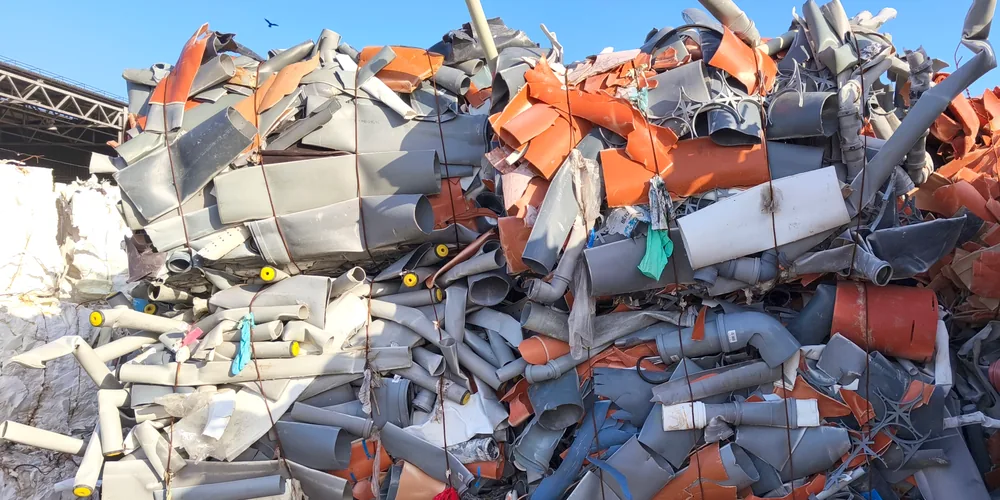
Pipes, profiles, and sheetsLength, diameter, and wall thickness affect entry into the chamber.Chamber size, feeding arrangement, and whether pre-cutting is needed.
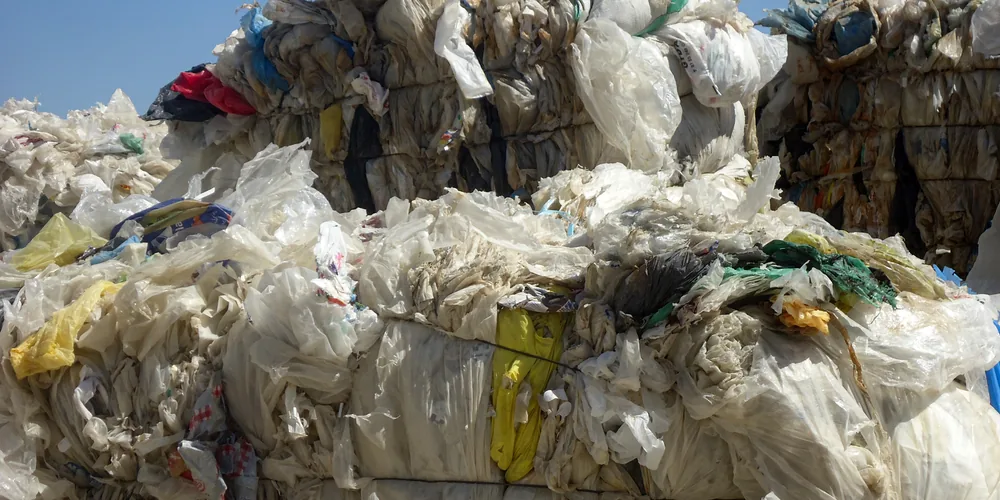
Film, woven bags, and flexible packagingLoose material behaves differently from compressed bales; wrapping also matters.Rotor and feeding choices suited to the feed form and discharge requirement.
Bottles, drums, and hollow containersThe machine needs to maintain its grip as the container collapses.Double shaft for primary volume reduction; single shaft where screen control is needed.
Crates, pallets, and large productsBulky dimensions combine with thicker ribs and corners.Single or double shaft options based on feed dimensions and the next process.
Mixed production scrapA batch may contain different plastics, thicknesses, and shapes.Cutting and feeding choices matched to the main material and more demanding items.
Plastic lumps and purgings for industrial plastic shredder processing
Plastic Lumps & Purgings
Plastic pipes and profiles for plastic shredder size reduction
Pipes & Profiles
Plastic film and woven bag waste for recycling shredder applications
Films & Woven Bags

Machine Selection

Compare three shredder configurations

Compare how each arrangement feeds the material and prepares it for the next stage.

Read the selection guide for plastic lumps, purgings, and thick-walled scrap

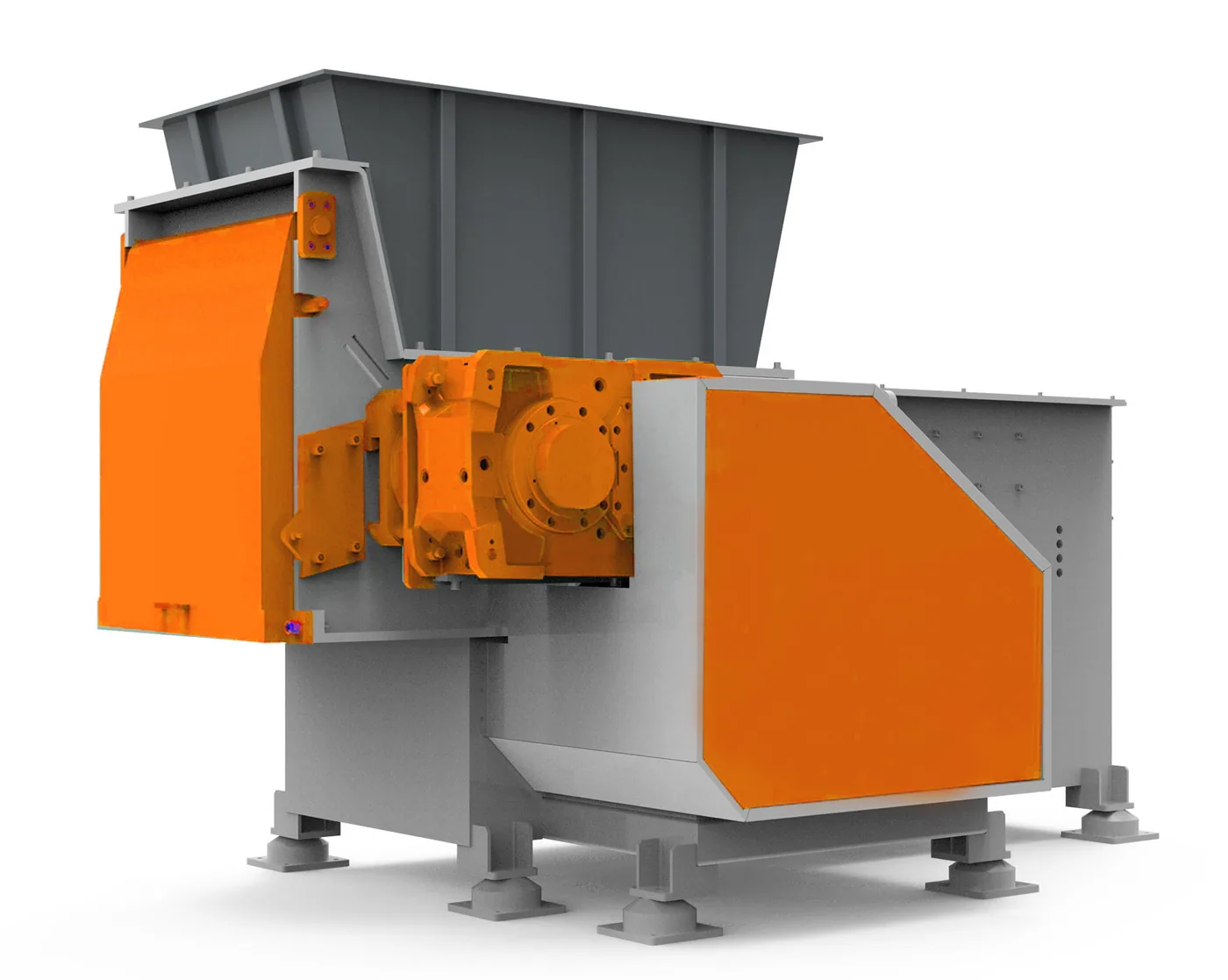
Single shaft plastic shredder for plastic recycling output control

For screen-controlled feed

BRS Single Shaft Shredder

A hydraulic pusher feeds plastic into the rotor. Larger pieces remain in the chamber for further cutting until they pass through the selected screen. Compare BRS for lumps, purgings, pipes, and crates where washing or granulation equipment needs sized feed.

View BRS Models →
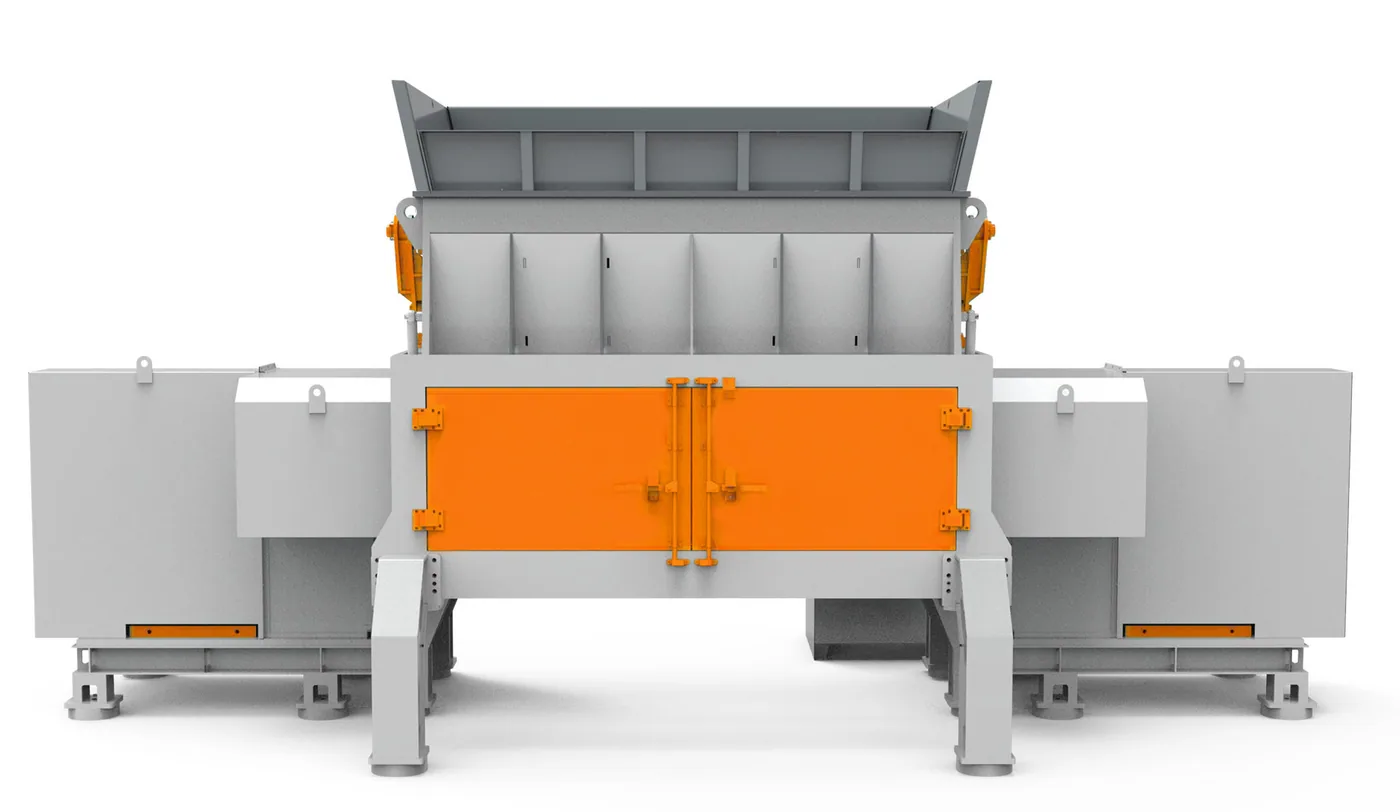
Heavy-duty single shaft plastic shredder H series for dense plastic scrap

For larger feed and heavier duty

BRS-H Heavy-Duty Single Shaft Shredder

A larger chamber and swing-arm pressing system accommodate large plastic blocks, baled feed, and heavier processing duties. Compare bale or block dimensions, target discharge, and daily working hours when selecting a model.

Compare BRS and BRS-H →
Double shaft plastic shredder for bulky hollow plastic waste

For bulky and hollow plastics

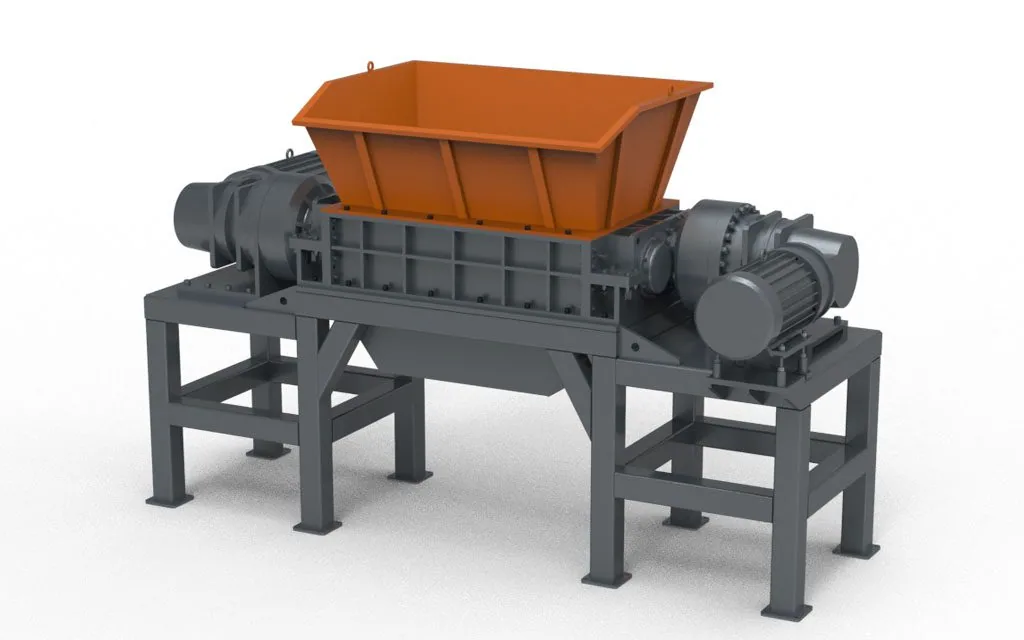
Double Shaft Shredder

Twin rotors grip drums, pallets, containers, and mixed plastic products for primary tearing and shearing. Compare this arrangement when the first task is to reduce bulk and make material easier to convey or feed into further size reduction.

View Double Shaft Models →

The Next Process

Choose the discharge around the next process

Consider both how the plastic enters the shredder and where the discharged material will go.

Plastic shredding and downstream processes
Next processWhat the shredding stage needs to do
Washing and separationReduce bulky or irregular plastic into a form that suits conveying and the washing line’s feed requirements.
Further granulationReduce blocks, long pieces, or large products before the granulator performs finer size reduction.
Storage and transferReduce bulky plastic products for easier loading, handling, and subsequent processing.

The shredder performs front-end size reduction. When finer regrind or recycled pellets are required, granulation, washing, drying, and pelletizing equipment determine the final product.

Already have a washing line or granulator? Start with its feed requirements so we can discuss the shredder discharge and connection point.

Machine Configuration

Match feeding, cutting, and discharge to the job

Each choice should address how your material behaves and what the next machine needs.

Keep material entering the cutting zone

Rotor, hopper, and pusher choices work together. Solid lumps need sustained knife engagement, loose film needs suitable feeding control, and large containers need chamber space and reliable grip.

Select the screen for the discharge

On single shaft machines, the screen retains larger pieces for further cutting. Openings are selected alongside the material form and the next machine’s feed requirements.

Respond to changing loads

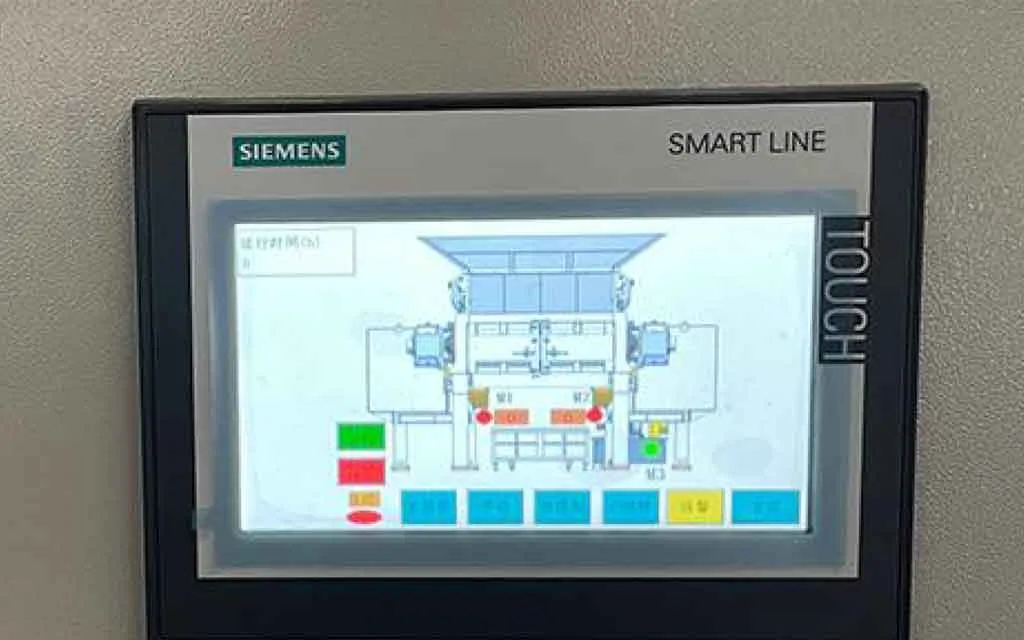
PLC overload protection and automatic reverse help release obstructed material and reduce manual intervention when feeding loads change.

Plan for wear and maintenance

Knife material, rotor structure, and maintenance access are selected around the plastic type, contaminants, and operating hours. See the machine pages for the relevant cutter and structure details.

Single shaft plastic shredder for controlled output size
Single Shaft Shredder MachineScreen-controlled output for many plastic recycling applications
PLC control system for plastic shredder overload protection
PLC Control SystemLoad monitoring and automatic reverse logic
Plastic shredder screen system for output size control
Screen Output ControlScreen selection supports next-stage size targets

Explore the single shaft structure and knife options or compare double shaft pre-shredding.

Manufacturing

See how the machine is built

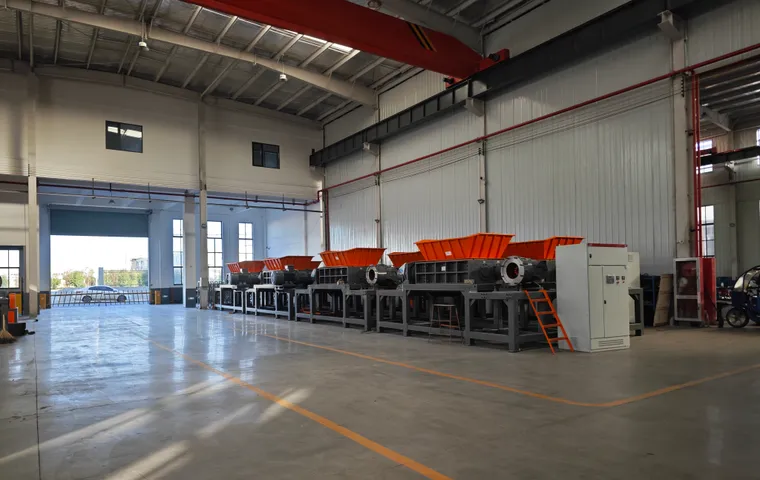
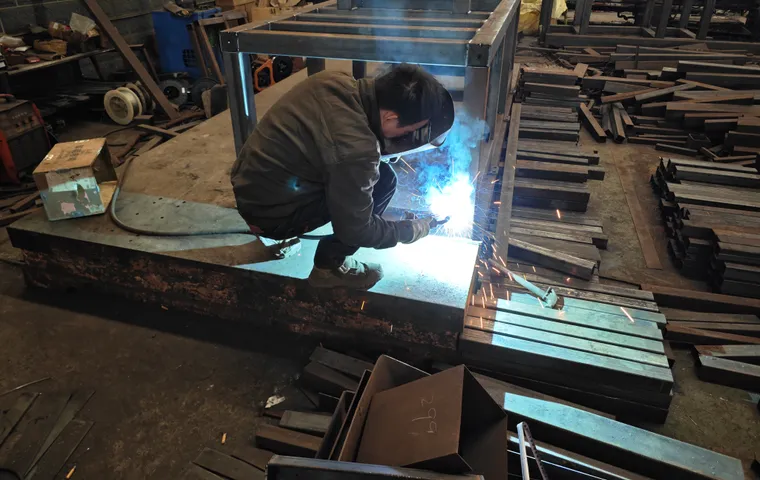
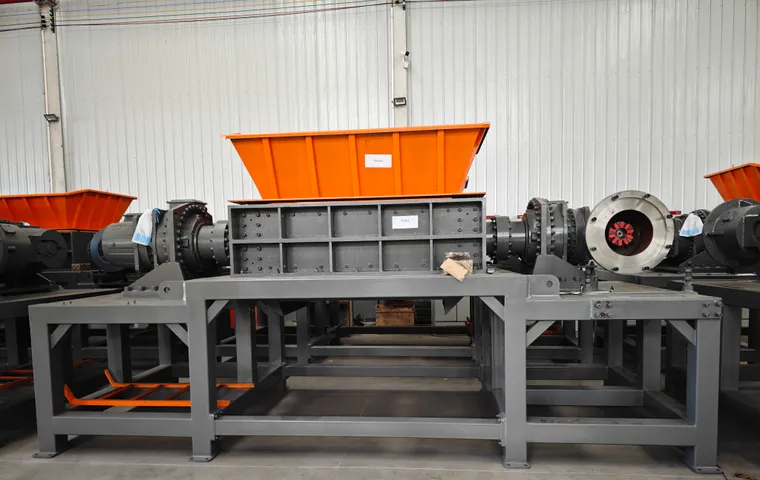
BoRay’s workshop records show frame fabrication, equipment assembly, and finished-machine checking. Review the structure details alongside the manufacturing process.

BoRay shredder factory workshop with industrial shredders in stock
Workshop stock and assembly areaReal factory floor with shredders under assembly and inspection.
BoRay shredder frame welding and manufacturing process
Frame welding and fabricationIn-house fabrication work supports heavy-duty frame structure control.
BoRay industrial shredder equipment assembled in factory
Completed shredder equipmentFinished machines are assembled and checked before project delivery.
View Factory Process

Request a Quote

Find a machine for your plastic feed

Tell us whether your plastic is solid, hollow, loose, or baled, and what happens after shredding. We will help compare single shaft, heavy-duty single shaft, and double shaft options. You can start before every parameter is known.

Send photos or short videos through WhatsApp or email.

  • Material type and feed form
  • What you need the shredder to achieve
  • Approximate dimensions, if known
  • Existing or planned downstream equipment

Fields marked with * are required. Project details are optional; share what you know and we will help clarify the rest.

FAQ

Common questions from plastic recycling buyers

Can the machine process film and woven bags? +

Suitable configurations can be selected for these materials. Loose film, woven bags, and compressed bales feed differently, so rotor engagement, feeding, and wrapping behavior are considered together. Tell us whether the material arrives loose or baled.

Can shredded plastic go directly into pelletizing? +

Shredding performs the initial size reduction. The need for washing, drying, or further granulation depends on the feed condition and the pelletizer’s requirements. We can discuss the shredder around your existing or planned downstream equipment.

How do I determine the model and capacity for my material? +

Start with the main plastic type, feed form, and required throughput. Together with target discharge and operating hours, these guide the chamber, drive, and feeding choices for a material-specific model recommendation.

Can I inquire before all specifications are known? +

Yes. Describe the plastic you process and the feeding, volume-reduction, or recycling problem you want to solve. Include any known dimensions, capacity, or downstream equipment details; we can clarify the rest together.

Prepare your plastic for the next recycling stage

Start with the material and the result you need. We will help compare the machine options.

Discuss Plastic Shredding