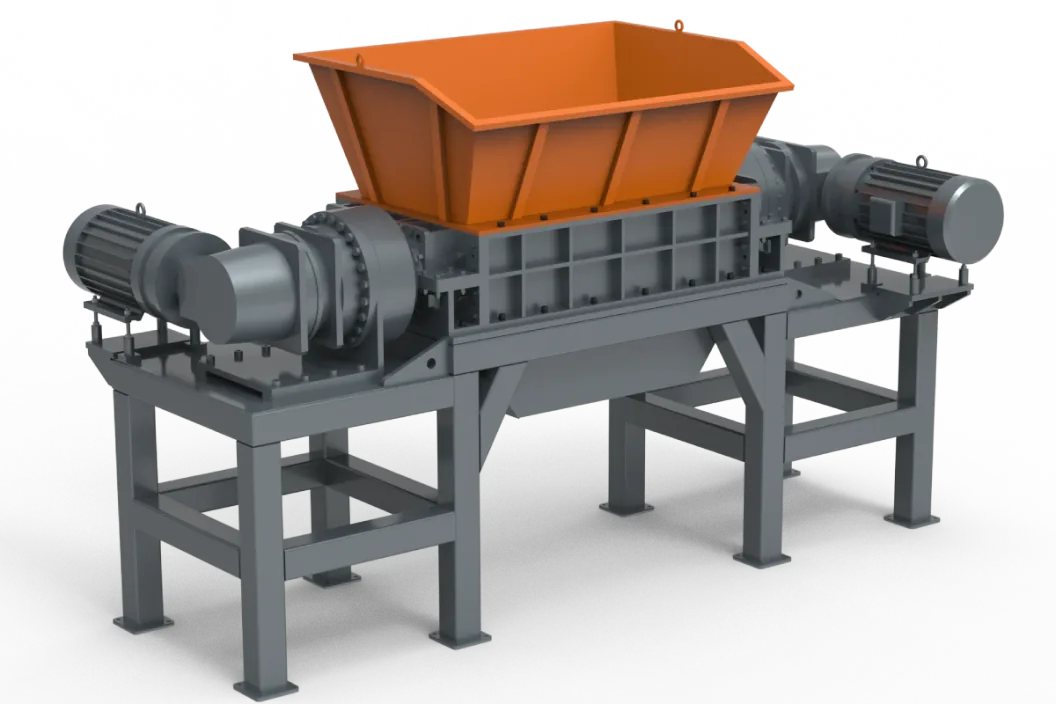
BoRay industrial shredder equipment

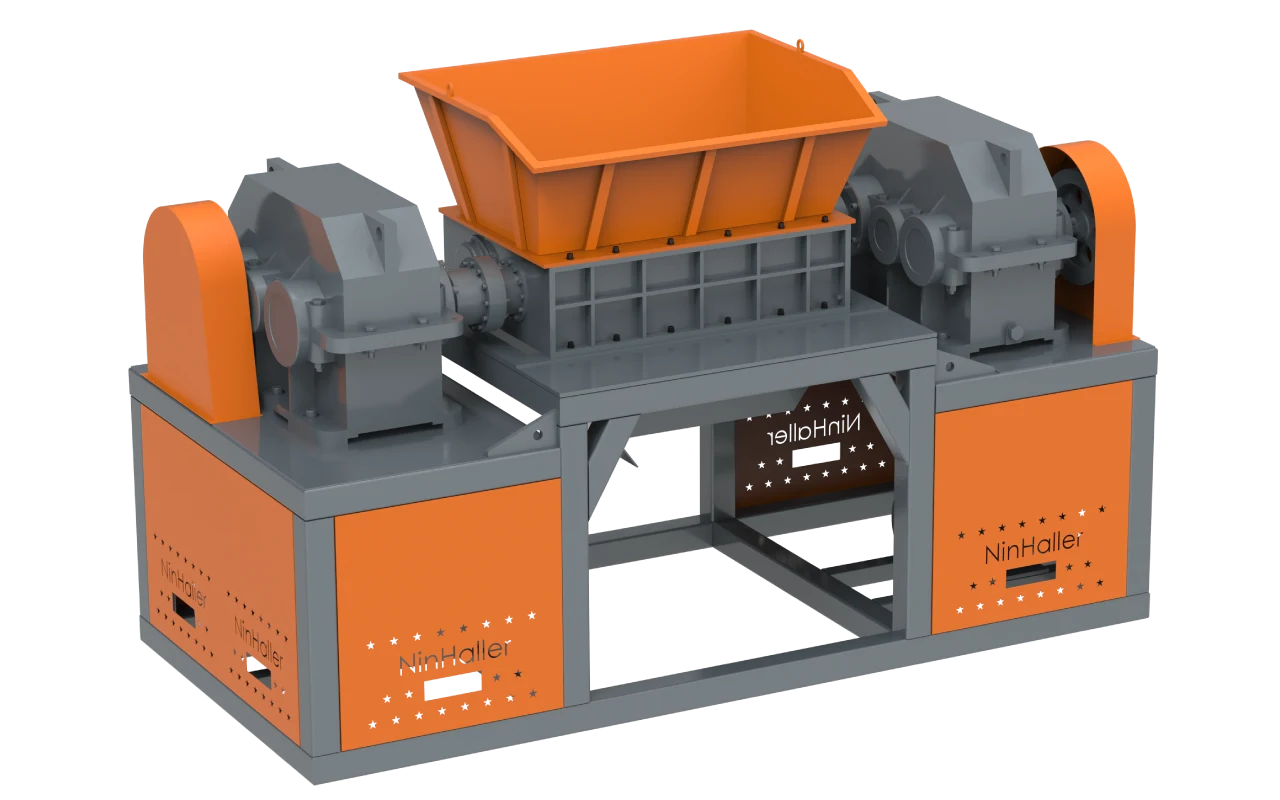
BRD / BRDS Double Shaft Shredder

Industrial Double Shaft Shredder Machine

Factory-built double shaft shredders for bulky waste, plastics, e-waste, light metal, tires, paper mill rejects, biomass, and mixed industrial waste. Share your material, feed size, output target, and capacity requirement for model selection and quotation.

Low-speed high-torque shredding, strong material grabbing, and BRD / BRDS configurations for front-end volume reduction before sorting, recycling, or disposal.

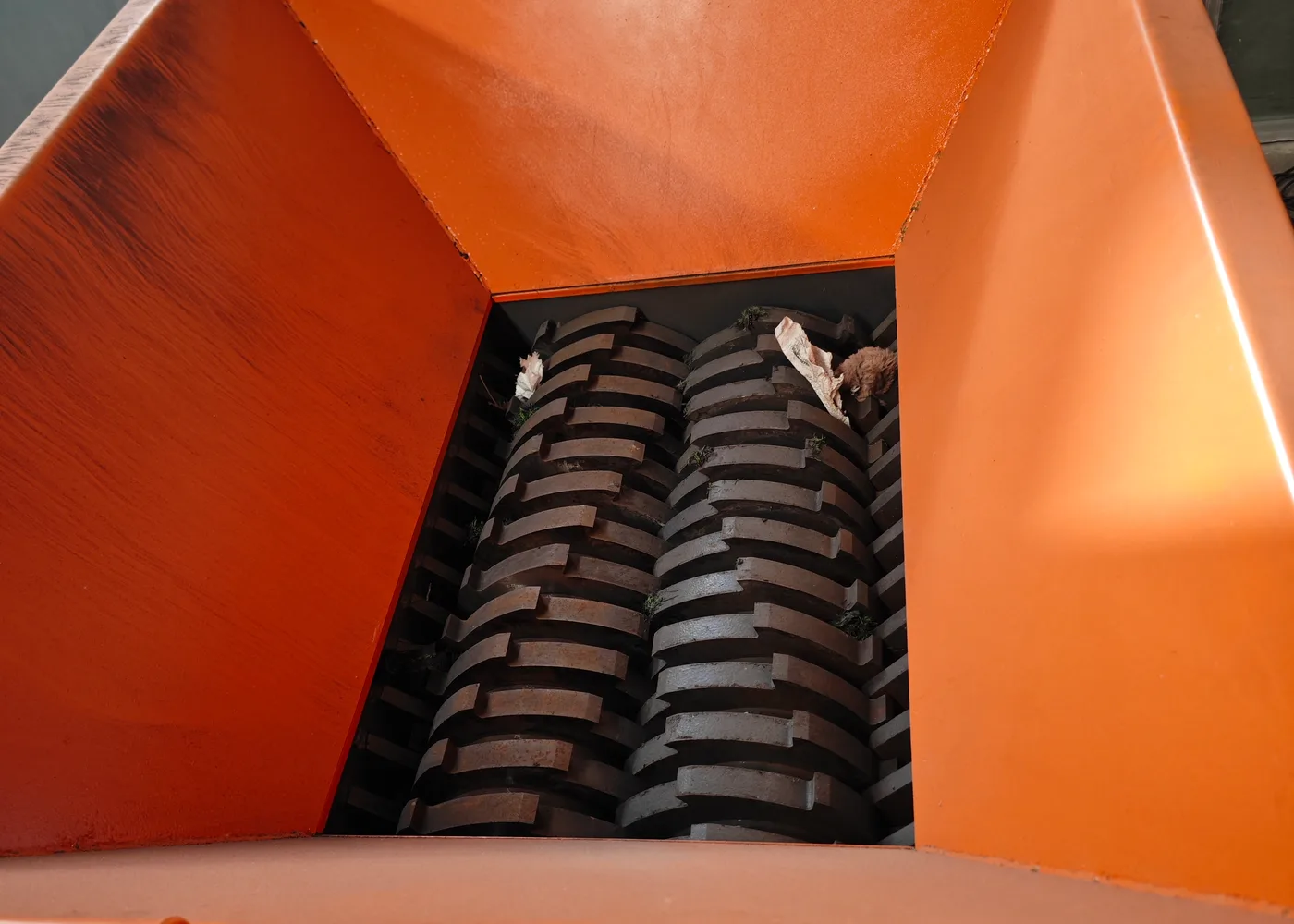
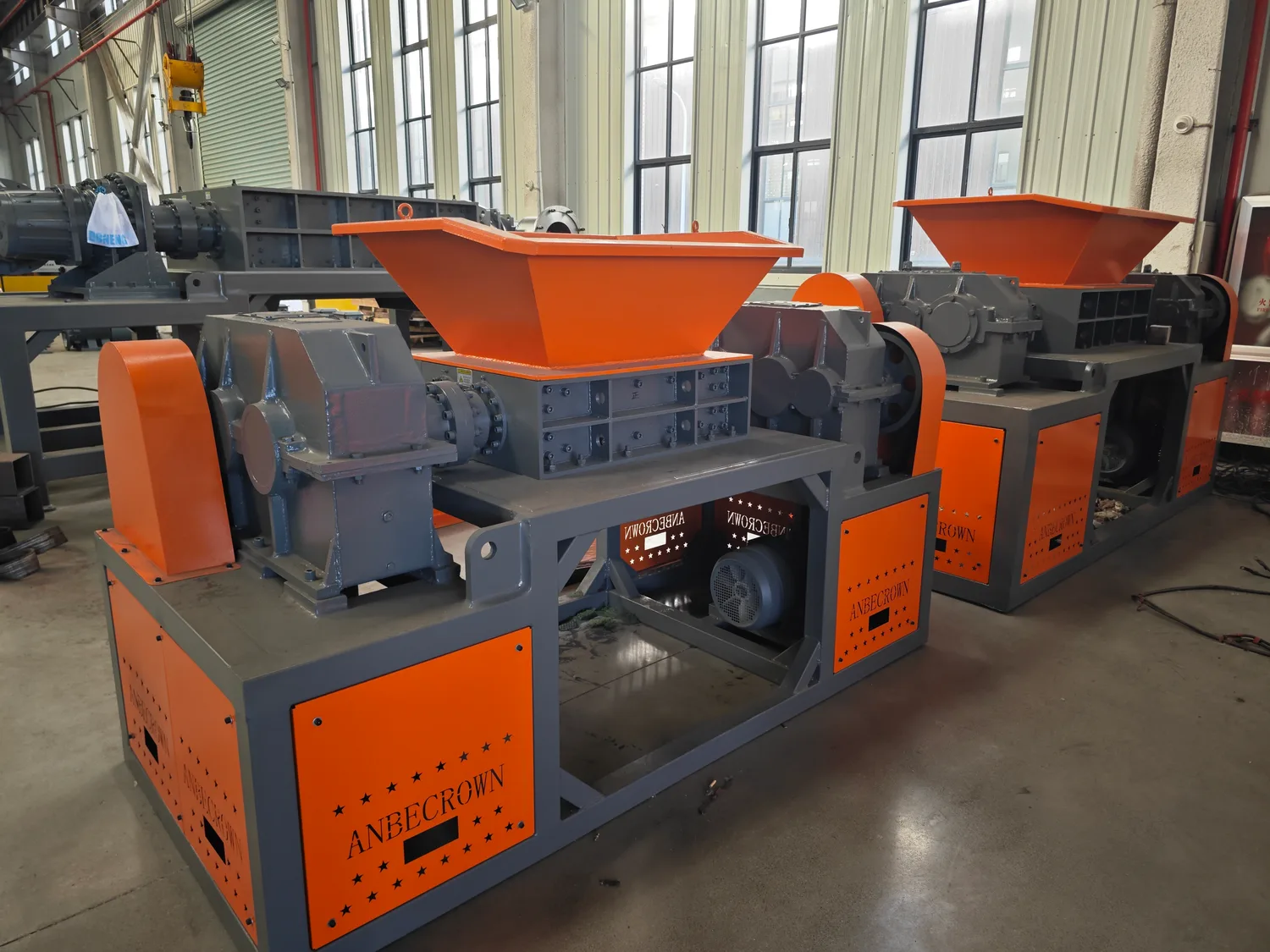
Real double shaft shredder machine in workshop

Machine Selection

Compare BRD standard and BRDS heavy-duty configurations.

The double shaft shredder is usually the first size-reduction stage for bulky or mixed material. BRD is selected for lighter-duty pre-shredding and compact recycling lines. BRDS is selected for larger feed size, tougher waste, higher impact load, and longer working hours.

BRD Double Shaft Shredder machine

Standard configuration

BRD Double Shaft Shredder

Recommended for compact pre-shredding projects where material is bulky but the operating load is moderate, such as plastic containers, packaging waste, e-waste, light metal, medical waste, and selected industrial scrap.

  • Plastic containers and packaging
  • E-waste and light metal scrap
  • Medical and industrial waste
  • Primary volume reduction
  • Compact plant layouts
BRDS Heavy-Duty Double Shaft Shredder machine

Heavy-duty configuration

BRDS Heavy-Duty Double Shaft Shredder

Recommended for larger feed size, tougher material, continuous facility operation, and higher-impact recycling or waste treatment lines. Dual-drive heavy-duty configurations improve torque delivery and load resistance.

  • Bulky waste and furniture
  • Municipal solid waste
  • Industrial waste and light metal
  • Biomass and straw
  • Longer working hours

Material Match

Bulky and irregular materials to check before quotation

A double shaft shredder is usually selected when feeding, grabbing force, and primary volume reduction matter more than fine output control. Material photos, videos, maximum feed size, hard contaminants, bulk density, and working hours help confirm whether BRD or BRDS is suitable.

Not sure whether your material can be processed?

Send material photos, videos, size, density, contamination, and your expected output. Our engineers can review the material condition first and discuss the practical processing route with you.

Check My Material

Core Structure

Core systems for stable shredding operation

A shredder should be evaluated as a complete working system. Cutter material, feeding method, screen or discharge design, overload protection, and gearbox drive all affect output stability, maintenance frequency, and long-term operation.

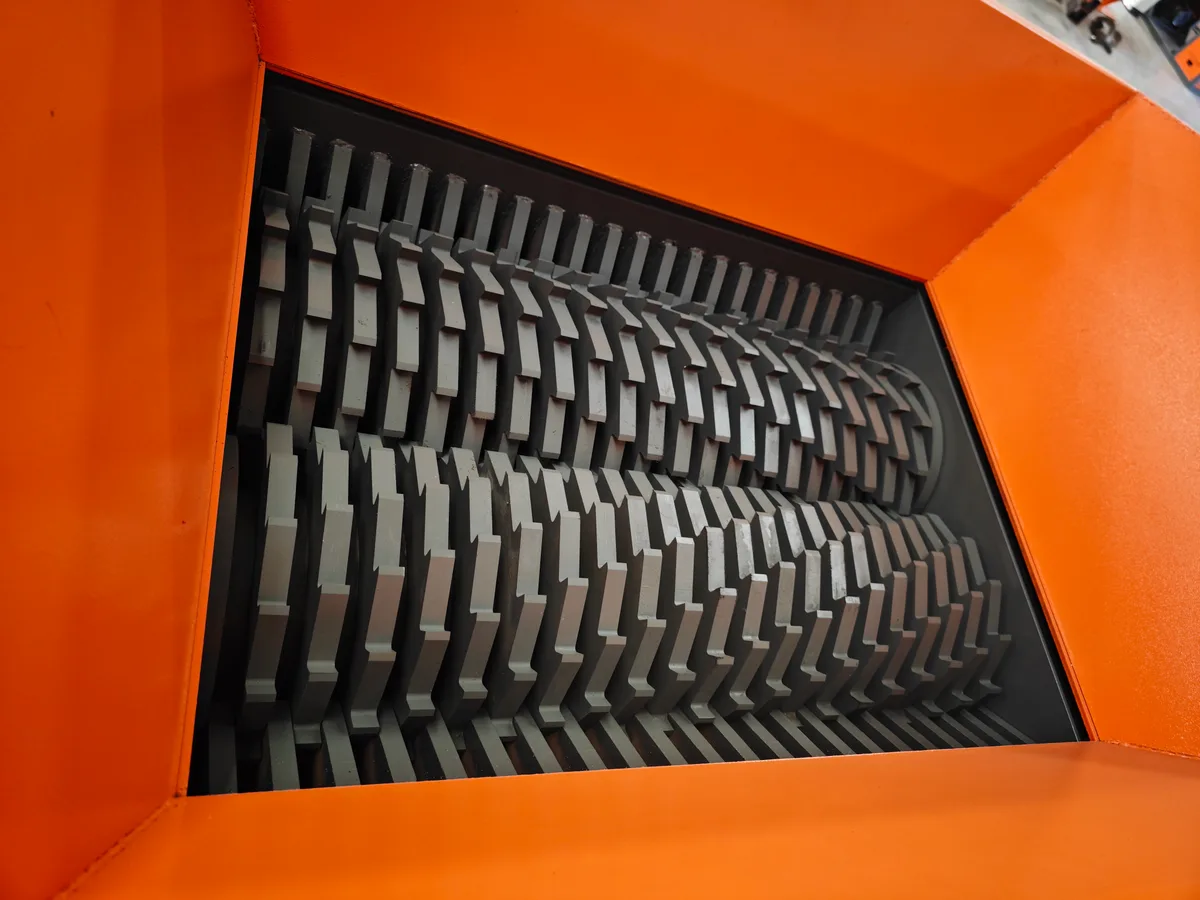
Double shaft shredder cutting chamber and wear-resistant cutters

High-alloy wear-resistant cutters

Cutter material, blade thickness, and tooth profile are selected according to waste type, impact load, wear condition, and output goal.

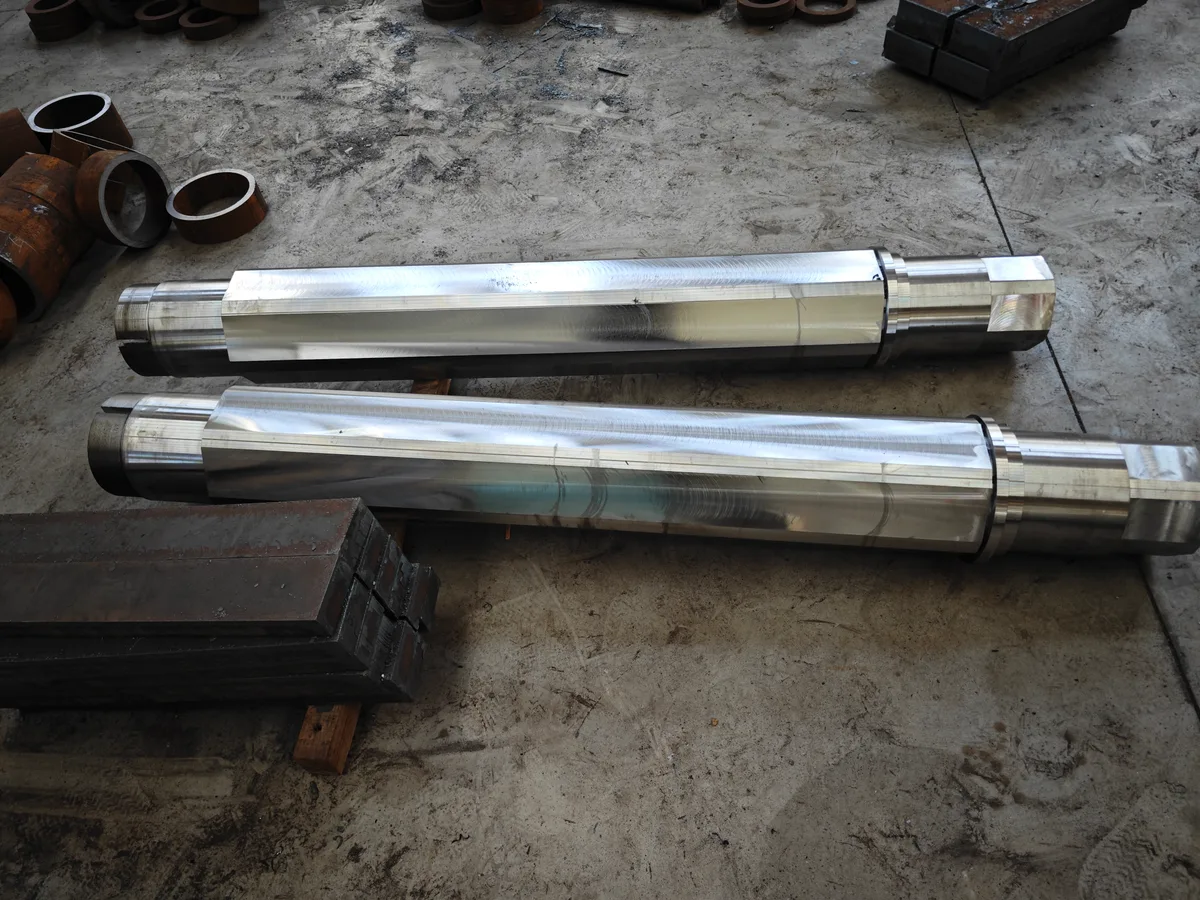
Double shaft shredder heavy-duty main shaft detail

Heavy-duty main shaft structure

High-strength main shafts are designed to transfer torque steadily under bulky, mixed, and uneven feeding conditions.

Industrial shredder cutting chamber fixed knife and rotor detail

Removable fixed knife system

Fixed knives on both sides of the chamber help improve shearing action, reduce wrapping, and support service access during maintenance.

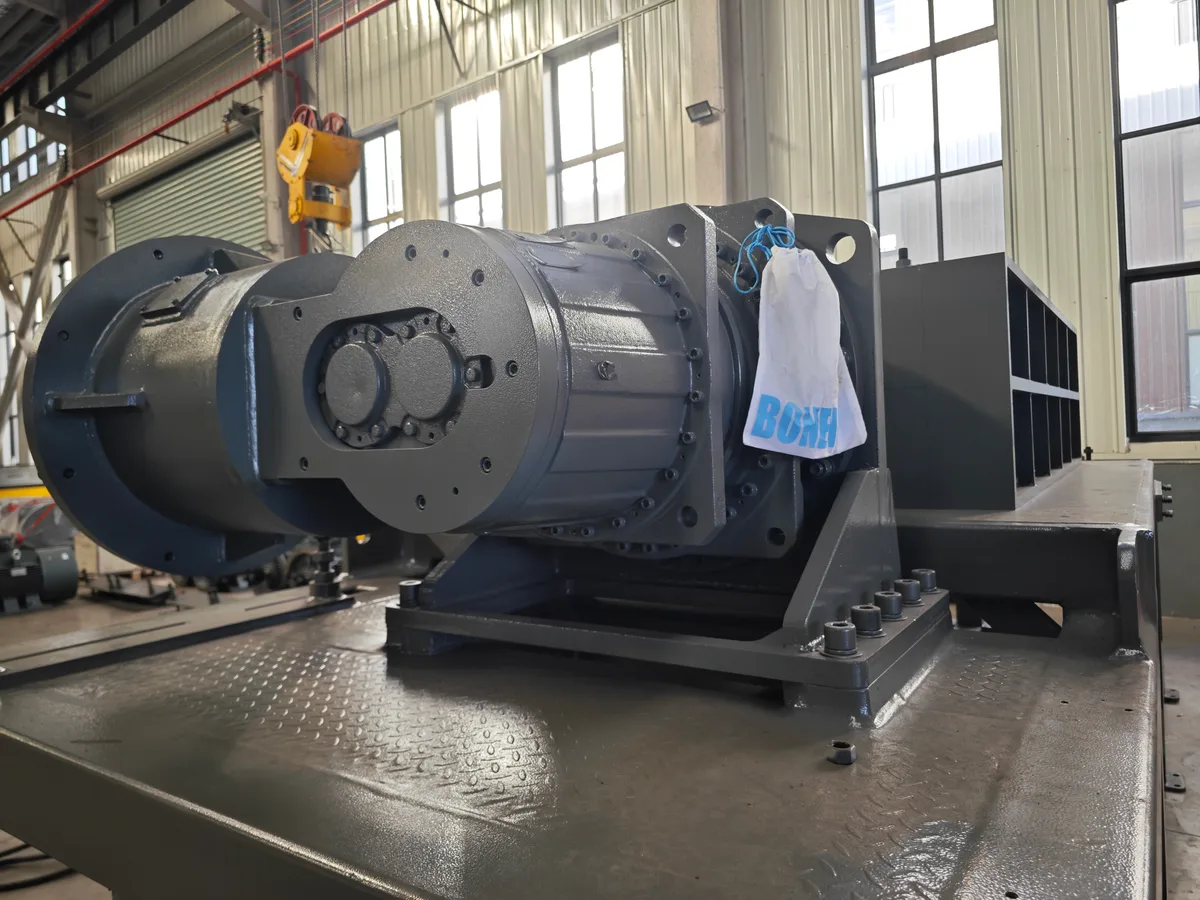
Double shaft shredder planetary gearbox drive detail

Planetary gearbox option

BRDS heavy-duty configurations can use planetary gearboxes for stronger torque transmission, shock resistance, and demanding operating loads.

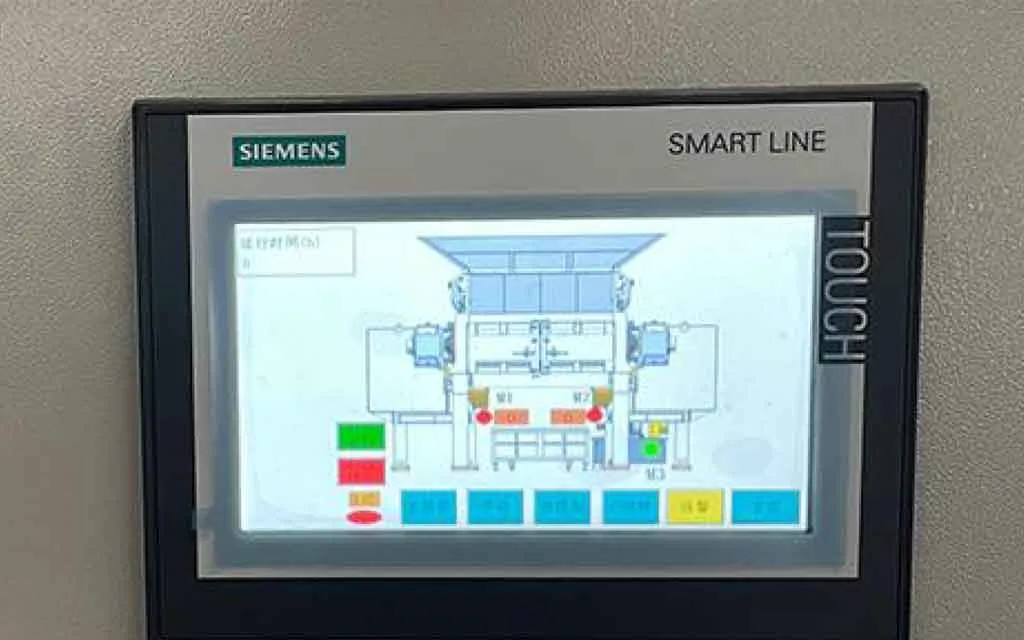
PLC control system for double shaft shredder overload protection

PLC overload protection

PLC control supports automatic overload detection and reverse logic to reduce jamming and manual intervention during uneven feeding.

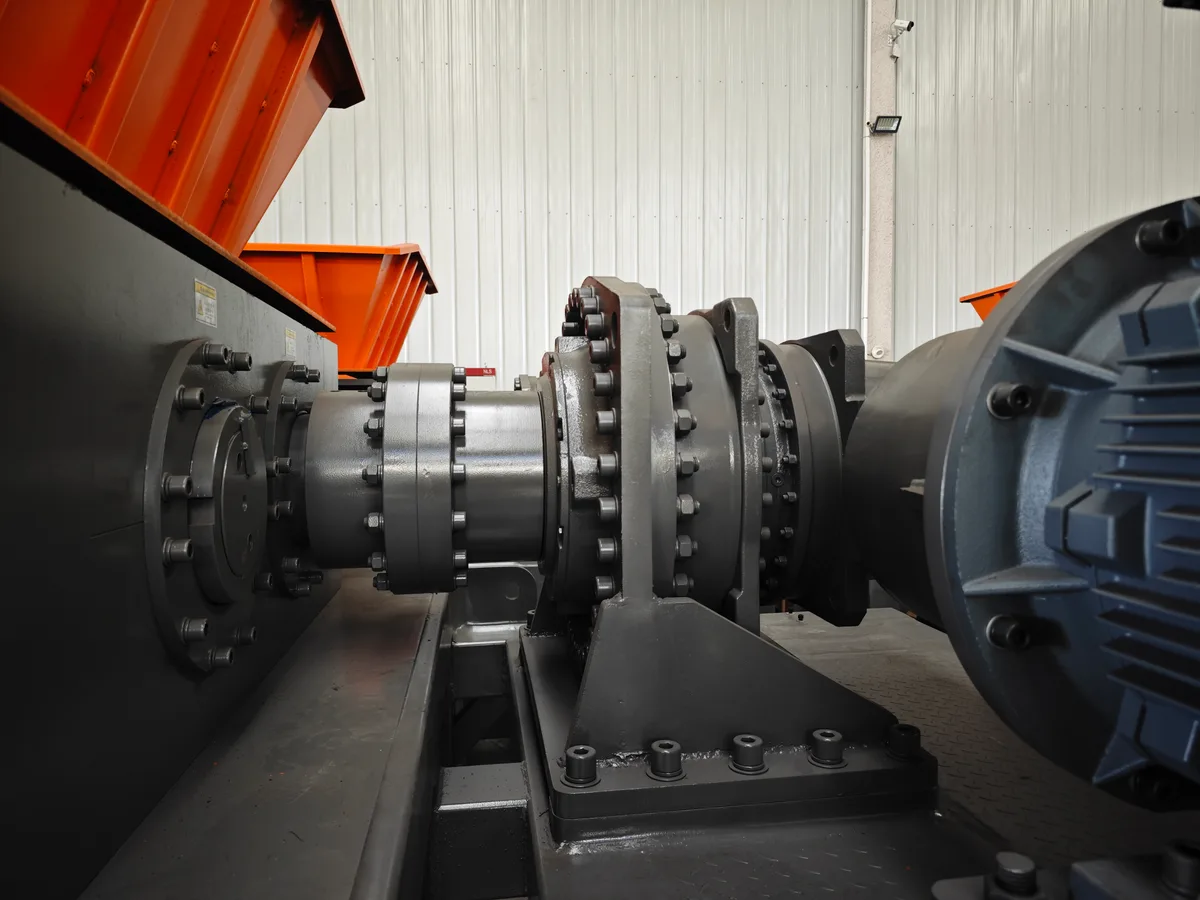
Double shaft shredder coupling and drive system detail

Coupling and drive system

Motor, coupling, gearbox, and frame support are configured together to match material load, working hours, and site operation requirements.

Technical Parameters

Double Shaft Shredder model specifications

The tables below show standard reference models. Final configuration may be adjusted according to material, output size, capacity target, site layout, and downstream process.

BRD Standard Double Shaft Shredder Parameters

Compact double shaft configuration for lighter-duty shearing and primary pre-shredding applications.

Specification BRD-450BRD-600BRD-800BRD-1000
Cutting chamber (mm) 350 x 450600 x 550800 x 6001000 x 700
Blade diameter (mm) 234280305330
Blade thickness (mm) 202020/4020/40
Power (kW) 5.5152230
Overall size (mm) 1320 x 800 x 18002240 x 1050 x 20202500 x 1120 x 22302510 x 1865 x 2550
Machine weight (kg) 600120018002200

BRDS Heavy-Duty Double Shaft Shredder Parameters

Heavy-duty double shaft configuration for larger feed size, stronger torque demand, and continuous waste treatment operation.

Specification BRDS-1000BRDS-1200BRDS-1600BRDS-1800BRDS-2000
Cutting chamber (mm) 1000 x 7001200 x 8001600 x 11001800 x 10002100 x 1300
Blade diameter (mm) Dia. 330Dia. 400Dia. 550Dia. 550Dia. 650
Blade thickness (mm) 30/4050/60606060/80
Power (kW) 30 + 3045 + 4590 + 9075 + 75200 + 200
Overall size (mm) 3150 x 2150 x 25004100 x 2300 x 28005630 x 3160 x 32006110 x 4950 x 55206700 x 3700 x 3600
Machine weight (kg) 45008000160002200029000

Double Shaft Shredder Quote

Request a double shaft shredder quote

Send photos or videos of your material, plus maximum feed size, material composition, target output, capacity, and working hours. Our engineers will check whether BRD or BRDS is more suitable for the first reduction stage.

Information we need

  • Material type and photos or videos
  • Maximum feeding size and material condition
  • Expected output size and downstream process
  • Required capacity and working hours per day

Fields marked with * are required.

FAQ

Common questions about double shaft shredder selection

When should I choose a double shaft shredder? +

A double shaft shredder is usually selected for bulky, irregular, or mixed material where strong grabbing force and primary volume reduction are more important than fine output control.

What is the difference between BRD and BRDS? +

BRD is the standard compact double shaft configuration for lighter-duty pre-shredding. BRDS is the heavy-duty version with dual motors, planetary gearboxes, stronger shaft structure, and better suitability for larger, tougher, or continuous waste treatment applications.

Can the machine handle mixed waste? +

Mixed waste can be processed, but the configuration should be selected according to the main material type, feed size, hard contaminants, bulk density, output goal, and operating hours.

Can a double shaft shredder control output size? +

A double shaft shredder mainly performs primary tearing, shearing, and volume reduction. Output size is influenced by blade width, tooth profile, speed, material condition, and discharge control, but it is not as screen-controlled as a single shaft shredder.

What materials are not suitable for direct feeding? +

Very hard solid steel parts, stones, concrete, explosive or pressurized items, and materials with unknown hazardous contaminants should be evaluated before feeding. Photos and videos help us identify risks before quotation.

What information is needed for a double shaft shredder quote? +

Please provide material photos or videos, maximum feeding size, main material composition, hard contaminants, required capacity, target output range, working hours, and downstream process such as sorting, separation, baling, RDF preparation, or further shredding.