
Equipment Selection Guide
Single Shaft vs Double Shaft Shredders: How to Choose
Choosing an industrial shredder starts with two questions: what will enter the machine, and what needs to happen to the material afterward? Together, these define the feeding arrangement, cutting system, and discharge control your process needs.

On this page
If the next machine requires material within a defined size range, a single shaft shredder with screen-controlled discharge is a useful starting point. If the immediate task is to grip bulky, irregular items and reduce them for handling or further processing, a double shaft shredder is worth evaluating first.
Their applications overlap. A heavy-duty single shaft machine can also handle suitable bales and large items, while a double shaft stage may be followed by further size reduction. The right choice depends on how the shredder fits into your process.
Start with the output your next process needs
Reducing plastic drums for transport is a different task from preparing feed for an existing granulator. Both involve shredding plastic, but the required discharge can lead to different equipment choices.
In BoRay single shaft shredders, a feeding system brings material into contact with the rotor. The rotor cuts the material, and a screen controls discharge. Pieces that cannot pass through the selected openings remain in the chamber for further cutting. This arrangement is useful when the process calls for both controlled feeding and sized output.
Before selecting a screen, define what the receiving equipment can accept. Does it have a maximum feed dimension? Are long strips a problem? How much fine material is acceptable? Screen aperture is a configuration parameter; the actual fragment shape and size distribution should be checked against the material and the receiving process.
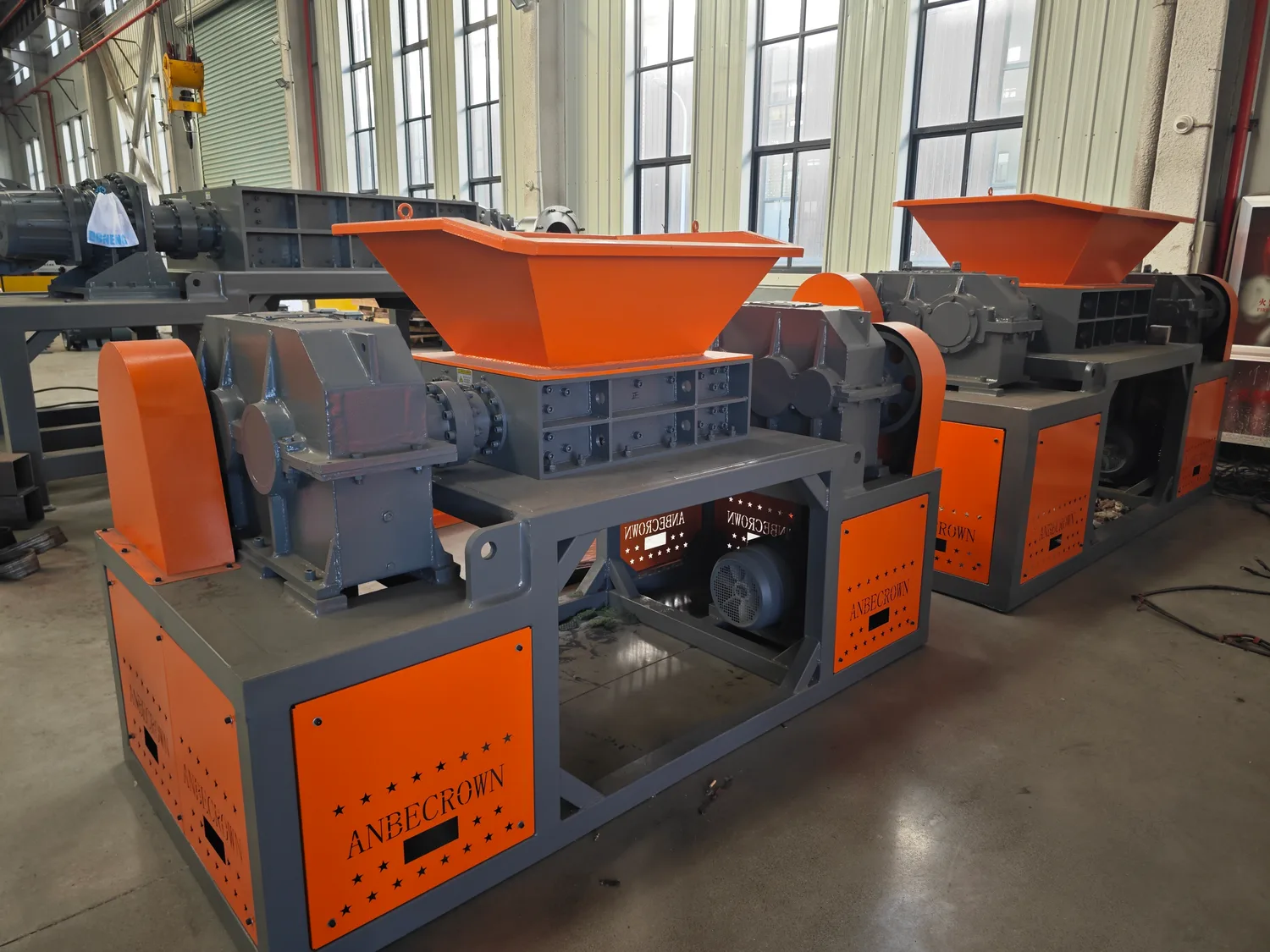
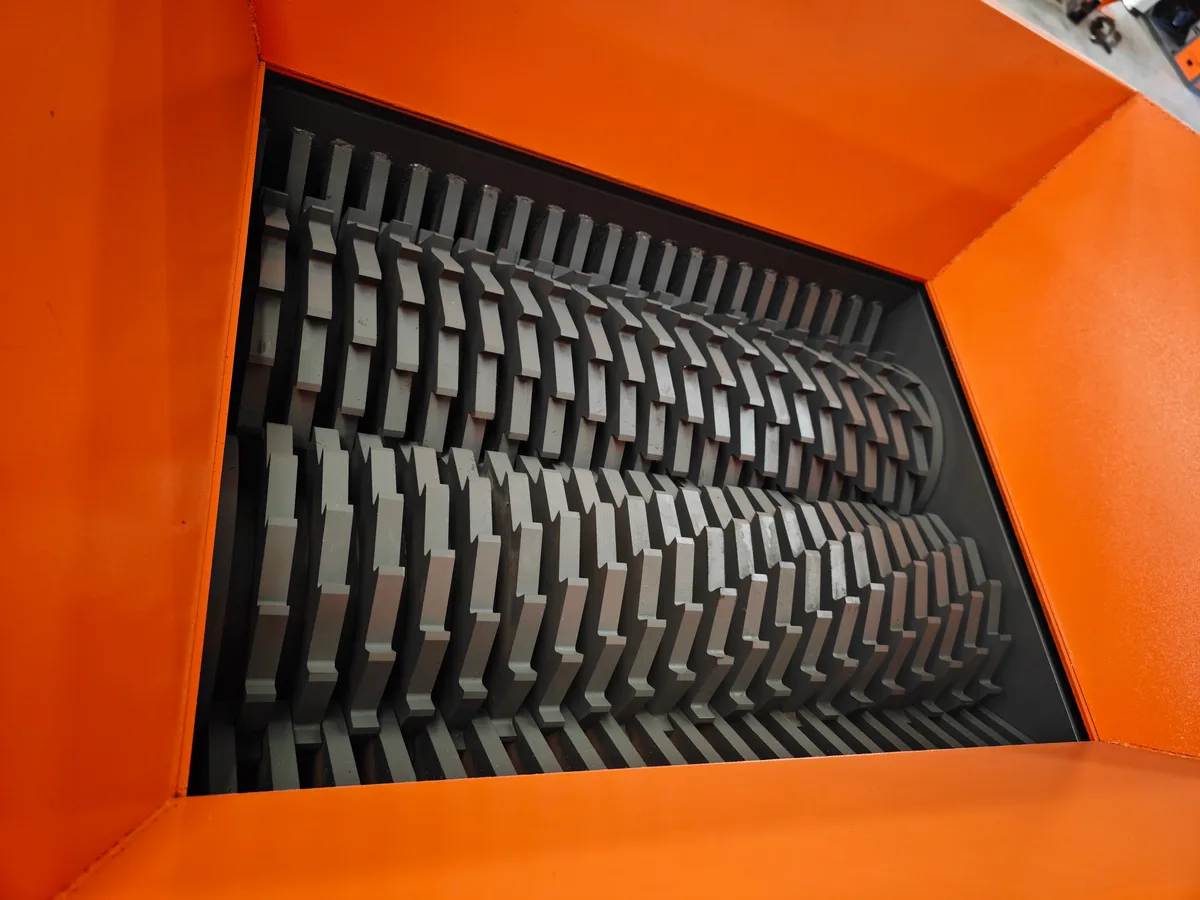
Double shaft shredders use two rotors to grip, tear, and shear the feed. Their primary reduction action can prepare bulky material for conveying, sorting, or another cutting stage. Cutter width influences the discharge, but it does not define every dimension of the finished pieces. Lengths and shapes can vary.

A useful inquiry therefore describes the next step: “feed an existing granulator,” “reduce volume before sorting,” or “prepare material for further sizing.” This gives the selection process a clearer direction than the material name alone.
Check how the material reaches the cutting zone
Plastic purgings, hollow drums, and baled film can require different feeding arrangements, even when they contain the same polymer.
Dense lumps need sustained contact with the cutters. Where feed dimensions and duty suit the configuration, BoRay BRS single shaft machines provide a starting point through hydraulic feeding and screen-controlled discharge.
Hollow containers, pallets, and irregular packaging require attention to how the cutters engage the material and how large items sit in the chamber. When the first task is to break down bulky shapes, a double shaft arrangement is worth comparing. Where controlled discharge is also required, evaluate a suitable single shaft configuration or a further sizing stage.
Baled film and woven bags introduce additional questions about bale density, feeding contact, and wrapping behavior. Describe whether the feed is loose or compressed, and provide the bale dimensions where possible. BoRay BRS-H machines offer a larger chamber and swing-arm pressing arrangement for evaluating larger feed, bales, and heavier duties.
The feed opening is one part of this assessment. Selection also needs to establish how the material will continue moving into the cutting zone throughout operation.
Compare the four BoRay series
Once the process direction is clear, compare the standard and heavy-duty series against the feed and operating load.
Compare the series below. On smaller screens, scroll across to read all columns.
| Series | Tasks to evaluate | Main selection priorities |
|---|---|---|
| BRS standard single shaft | Routine production scrap, purgings, and suitable feed requiring screen-controlled discharge | Feed dimensions, hydraulic feeding, rotor, and screen selection |
| BRS-H heavy-duty single shaft | Larger blocks, baled plastics or paper, and heavier shredding duties | Chamber space, swing-arm pressing, feed density, and working hours |
| BRD standard double shaft | Primary reduction of containers, packaging, and suitable industrial scrap under moderate loads | Cutter engagement, largest items, discharge needs, and plant layout |
| BRDS heavy-duty double shaft | Larger or irregular feed and primary shredding with more demanding impact loads or working hours | Cutter and drive configuration, load variation, and operating duty |
Use the BRS and BRS-H single shaft comparison to review feeding arrangements and model parameters. The BRD and BRDS double shaft comparison explains the primary shredding options and their configuration priorities.
A heavier configuration should address a specific requirement, such as larger incoming items, more demanding loads, or longer working hours. For BRDS, planetary gearboxes are an available configuration option; the selected drive arrangement should be confirmed in the project specification.
Three selection scenarios
The following examples illustrate how feed and process requirements can guide an initial equipment assessment.
Production purgings feeding an existing granulator
Consider a plastics processor that needs to shred purgings and production scrap before an existing granulator. Start with the granulator’s acceptable feed dimensions, then review the largest incoming lumps and the loading method.
If the feed suits a standard single shaft chamber and feeding arrangement, BRS is a starting point. Larger blocks or heavier duties may justify evaluating BRS-H. The aim is to supply material that the existing granulator can accept at the required operating rate.
Plastic drums and pallets needing primary reduction
Where drums and pallets need to be reduced before sorting, conveying, or further processing, a double shaft route is worth evaluating. Choosing between BRD and BRDS then requires a closer look at the largest items, wall thickness, reinforcing ribs, contaminants, and working hours.
If a defined output size becomes part of the requirement, review the process accordingly. The solution may involve a different cutting configuration, screening, or a secondary sizing stage.
Baled film entering a recycling process
Bale dimensions and density affect feeding, while the flexible material released from the bale affects rotor and cutter selection.
BRS-H can be evaluated where the task combines feeding compressed material with screen-controlled discharge. A double shaft route can also be compared where the immediate aim is bale opening and primary reduction, with later equipment completing the process.
In both cases, selection should account for the feed accepted by the following washing, sorting, or size-reduction stage. The same method applies to industrial paper, tires, and electronic scrap: define the job of the shredding stage before selecting the machine.
Compare throughput under matching conditions
After choosing an initial machine type, compare capacity figures on a common basis. A quoted tonnes-per-hour figure is useful only when the material, output requirement, and operating conditions are understood.
For a single shaft shredder, screen selection affects throughput. Finer output generally requires more size reduction, so a capacity estimate for coarse discharge should not be carried over unchanged to a finer screen configuration.
When reviewing equipment proposals, align these details:
- Material composition and whether it arrives loose, baled, or as complete items.
- Largest feed dimensions, major contaminants, and moisture condition.
- Required discharge and the receiving equipment’s feed capacity.
- Target hourly throughput and daily working hours.
- Whether the reported rate includes normal pauses, reversals, and maintenance stops.
Motor power helps describe the drive configuration. It does not establish how many tonnes the machine will process with your feed. Where incoming material varies significantly, an agreed trial or acceptance procedure should cover representative feed conditions.
Include maintenance and the surrounding equipment
Two machines that can perform initial shredding may have different service requirements and costs in the same process.
For a single shaft proposal, review access for cutter and screen inspection, replacement, and servicing. For a double shaft proposal, review the cutter assembly, cutting chamber, and drive maintenance arrangements. Compare spare parts, service labor, and planned downtime against the actual configuration and duty.
The surrounding equipment matters as well. Can the loading arrangement supply material consistently? Can the discharge conveyor clear it? Can the next machine accept the resulting pieces at the required rate?
A staged process may be appropriate when bulky feed must eventually become a more closely specified output. Where one correctly configured machine meets the requirement, that can be assessed as a simpler route. The decision should follow the feed and output targets for the complete process.
Start with a material photo and your processing goal
Send BoRay a photo or short video through WhatsApp or email, and explain what you want to do with the material after shredding. Add approximate dimensions, target capacity, daily working hours, and details of existing downstream equipment if you have them.
If the required output size is still undecided, the next machine’s feed limits or your final processing goal can provide a starting point. BoRay can help compare BRS, BRS-H, BRD, and BRDS before narrowing the feeding, cutter, screen, and drive configuration.