
Equipment Selection Guide
How to Choose a Shredder for Plastic Lumps, Purgings, and Thick-Walled Scrap
Injection molding purgings, extrusion start-up lumps, and thick-walled rejects can place different demands on a shredder. Even scrap made from the same polymer may arrive as small loose pieces or large solid blocks. Similar outer dimensions can also conceal differences in thickness, weight, and feeding requirements.

On this page
Start with three questions: how will the largest pieces reach the cutting zone, what discharge does the process need, and can the downstream equipment accept that material consistently? BoRay BRS and BRS-H single shaft shredders are options to evaluate where controlled discharge is required. Choosing between them depends on the actual feed, feeding arrangement, and operating duty.
Describe the largest pieces and the everyday feed
“PP purgings” identifies the material, but it does not provide enough information to select a machine. Describe a typical piece alongside the largest lump that actually occurs in production.
Begin with shape and thickness. A solid block, a thick-walled housing, and a rejected part with reinforcing ribs may have similar lengths and widths, yet present different sections to the cutters. Photos should show the overall shape and the thickest areas, ideally with a size reference. Include the weight of an individual piece if known.
Next, describe the composition. Scrap from a single polymer should be distinguished from mixed resins, filled or reinforced plastics, and parts containing metal inserts. Identify what will enter the shredder and what needs to be separated beforehand. Appearance alone is not enough to treat these streams as equivalent.
Frequency matters too. If most scrap is relatively small and oversized lumps appear only occasionally, compare a machine for the regular feed with suitable preparation for the exceptional pieces against a larger machine. Include preparation labor, handling time, and space in that comparison. If large blocks arrive throughout the day, they should be a primary selection condition.
This helps avoid choosing around an average piece that overlooks difficult feed, or sizing the entire process around a rare oversized item without considering other handling options.
Check how the material reaches the rotor
Processing thick, solid lumps requires both adequate space and a suitable feeding action. Once material enters the hopper, the feeding system must bring it into contact with the rotor as cutting progresses.
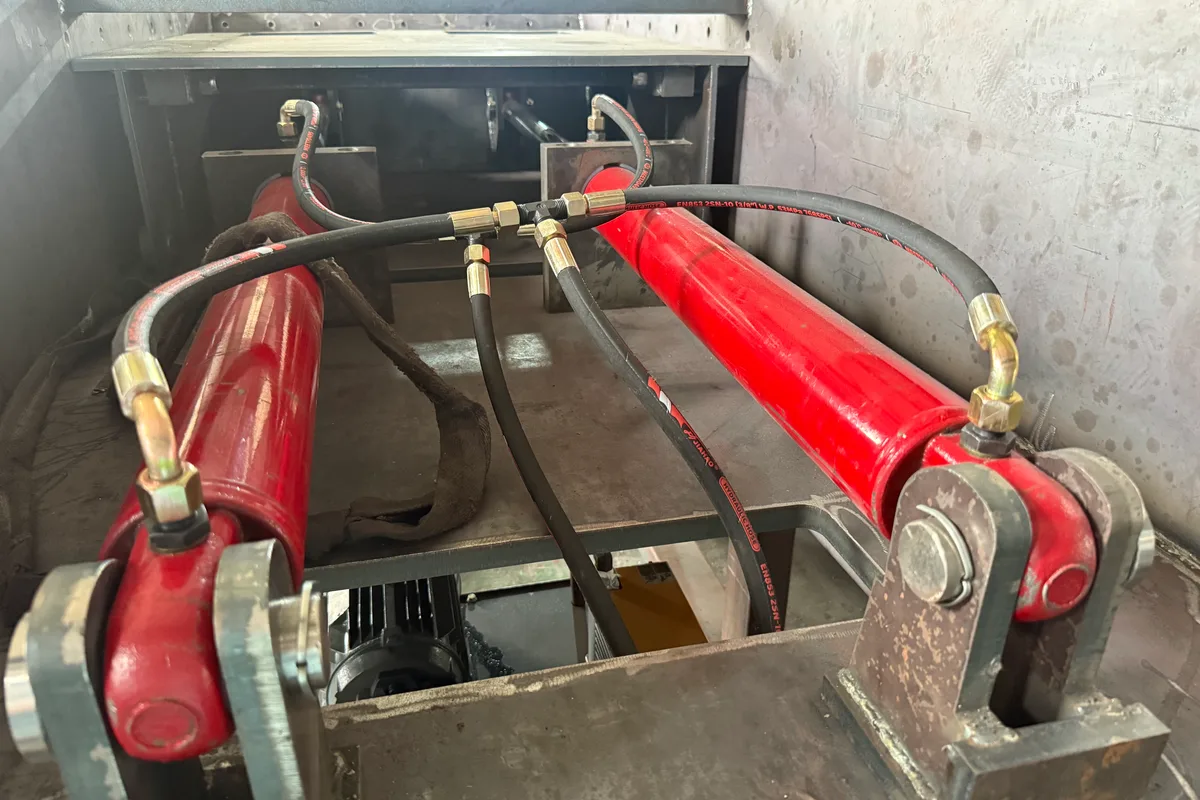
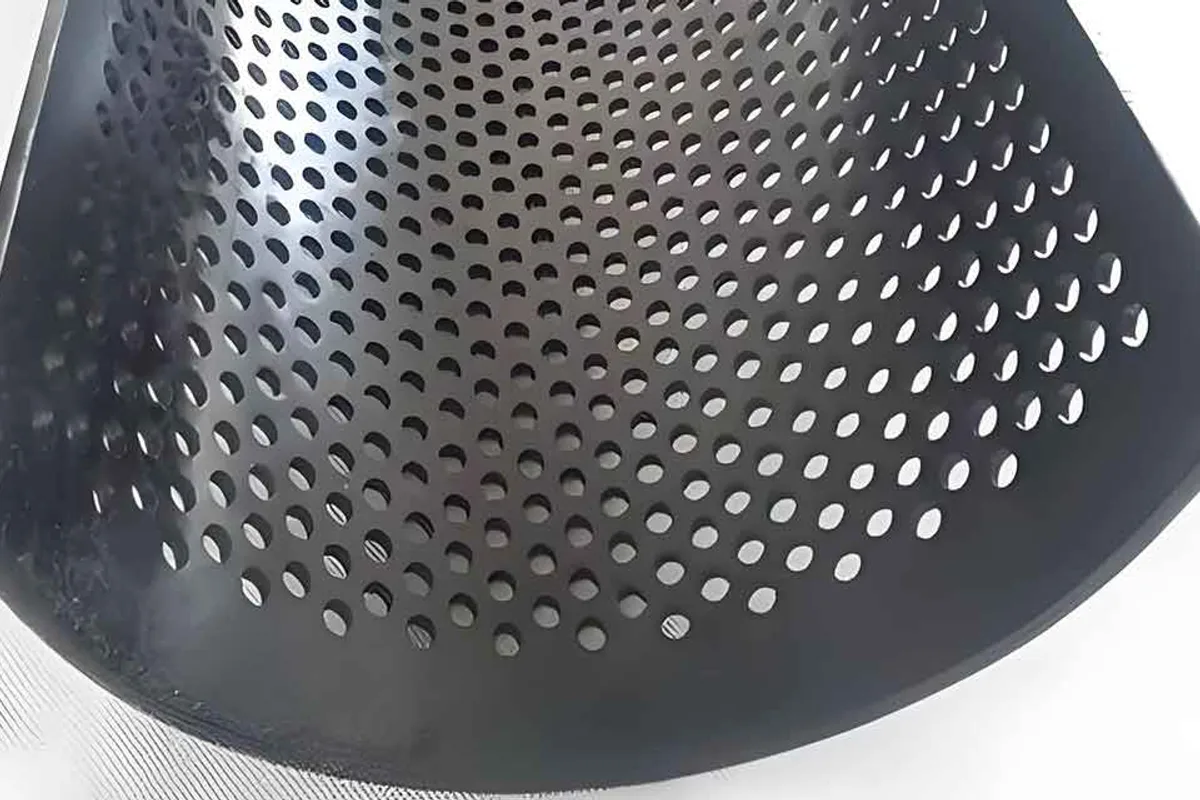
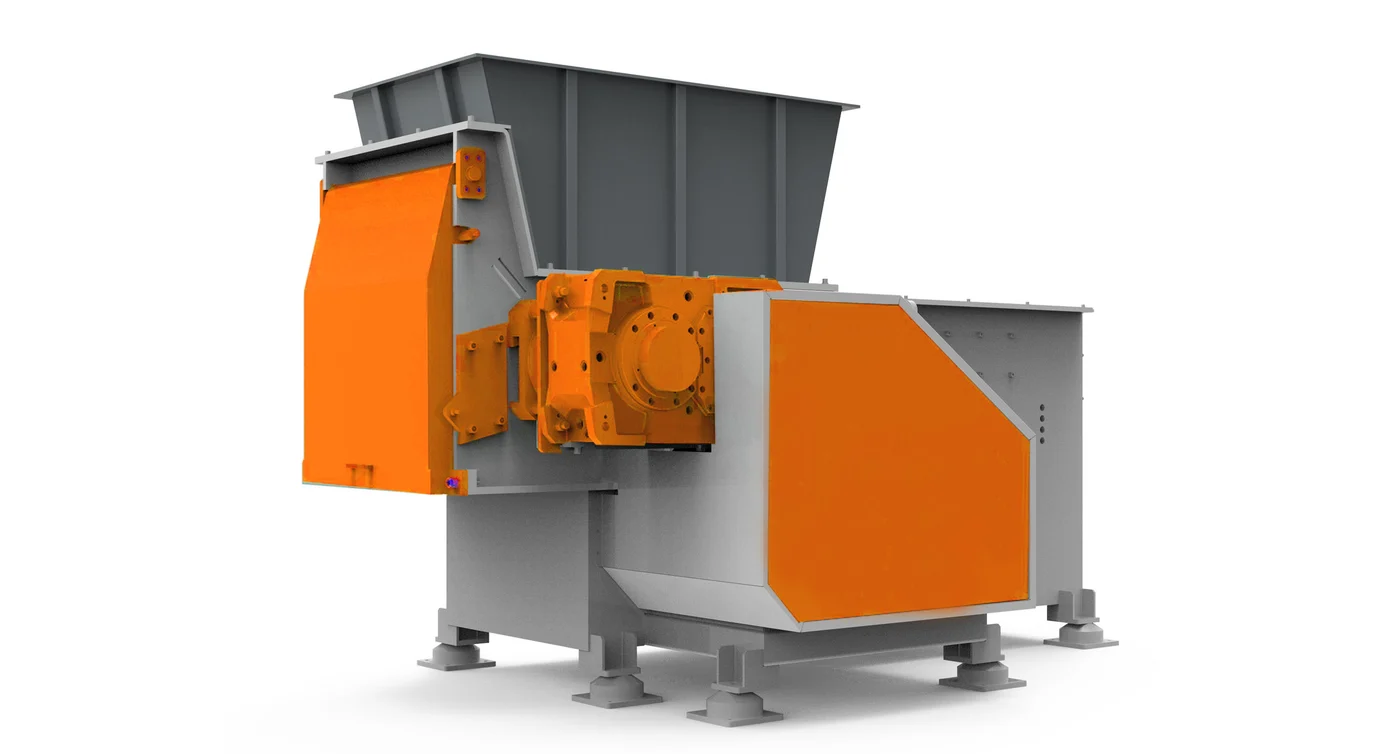
BRS machines use a hydraulic pusher to move material toward the rotating knives. For lumps suited to the selected chamber and operating duty, this arrangement combines feeding, cutting, and screen-controlled discharge. Material that cannot pass through the screen remains in the chamber for further cutting; material that passes through moves to the next stage.
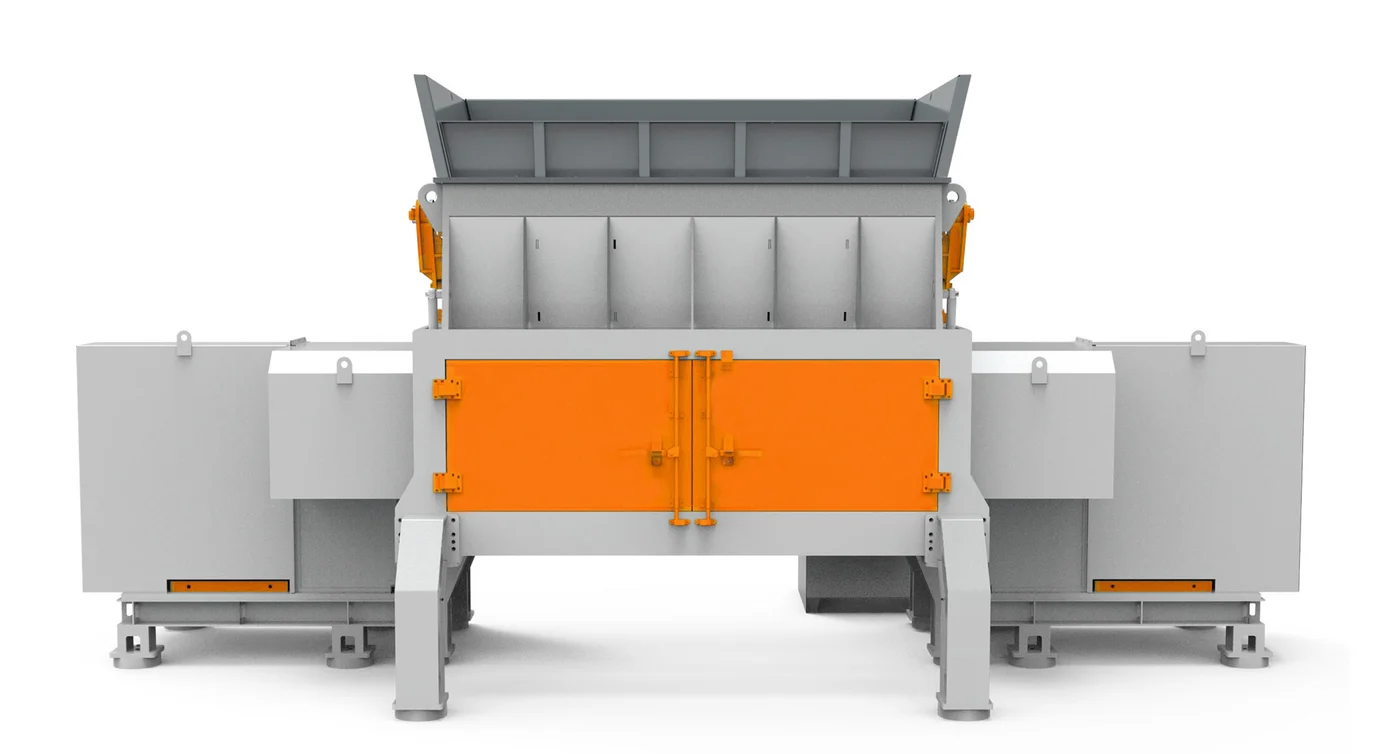
BRS-H machines offer a larger chamber and a swing-arm pressing system for evaluating larger plastic blocks and heavier duties. Their value should be assessed against a specific need: the space a block requires, how the pressing system presents it to the cutting zone, and the load the rotor and drive must handle.
Confirm the hopper opening, cutting chamber dimensions, and permitted feed dimensions separately. A lump fitting inside the hopper does not establish that it can be fed and cut at the required processing rate.
Narrow the choice between BRS and BRS-H
BRS is a starting point where everyday purgings are manageable in size, loading is reasonably consistent, and the next machine requires controlled feed. Where large solid blocks are a regular part of the stream, or the duty calls for a larger chamber, rotor, and feeding arrangement, compare BRS-H as well.
Compare the series below. On smaller screens, scroll across to read all columns.
| Selection point | BRS standard single shaft | BRS-H heavy-duty single shaft |
|---|---|---|
| Feed to evaluate | Regular production purgings, small to medium lumps, and suitable thick-walled scrap | Larger blocks and more demanding processing duties |
| Feeding arrangement | Hydraulic pusher | Larger chamber with swing-arm pressing |
| Selection priorities | Lump dimensions, consistent rotor contact, discharge requirements, and available space | Space and feeding for large blocks, processing load, and operating hours |
| Checks required for either series | Material composition, rotor and knives, screen, drive, and downstream feed requirements | Material composition, rotor and knives, screen, drive, and downstream feed requirements |
The model tables provide a starting point for comparing chamber space. For example, the BRS-800 lists a cutting chamber of 800 × 850 mm, while the BRSH-1500 in the BRS-H series lists 1700 × 1500 mm. These are cutting chamber dimensions. They do not specify the largest permissible lump or establish a tonnes-per-hour rate.
Review the full specifications on the BRS and BRS-H single shaft shredder page, then confirm the configuration against your feed. A heavy-duty series should address a defined feeding or workload requirement. The description “thick-walled scrap” alone does not determine the series.
Define the shredder’s role around the downstream granulator
If the plant already has a plastic granulator, first identify the problem an additional shredder needs to solve. Are lumps too large to enter it? Do they require substantial preparation? Is it difficult to maintain a consistent feed? These questions define how much size reduction the upstream shredder needs to perform.
Here, a granulator means a machine that cuts plastic into smaller particles. It serves a different purpose from equipment that melts and extrudes plastic into pellets.
Where the existing granulator already handles the incoming scrap satisfactorily, review its actual performance before deciding whether pre-shredding is needed. If its feed dimensions or cutting capability limit the handling of large blocks, evaluate a process in which a single shaft shredder reduces the lumps before the granulator performs finer cutting.
Check three connections between the machines: the dimensions and shapes the granulator can accept, its receiving rate, and the conveying and control arrangements. Producing more shredded material will not deliver the required line throughput if the next machine cannot take it away and process it.
Select the shredder screen around this interface. The goal is to prepare suitable feed for the next step; a smaller opening needs a process reason. Screen openings help control discharge, but they do not make every fragment identical in all dimensions. If long strips or irregular pieces are restricted, define how the discharge will be checked and confirm it against actual output.
The same approach applies when the next stage is washing, sorting, or temporary storage. Describe what that stage needs. See the BoRay plastic shredding application guide for the relationship between feed forms and downstream processes.
Compare throughput under the same conditions
A daily tonnage target is a starting point. It also needs an operating schedule, a loading method, and a description of the lump sizes that make up that tonnage.
When comparing BRS and BRS-H proposals, use the same or representative feed and specify the required discharge. Check whether the stated throughput includes normal loading intervals, reversals, and pauses. A rate established with larger screen openings or a different material should not be carried over unchanged to your task.
Motor power describes part of the drive configuration. It cannot, by itself, establish how many tonnes per hour a machine will process with your scrap. Feeding behavior, the rotor and knives, the screen, and upstream and downstream material flow must be assessed together.
If a material trial is arranged for the project, the sample should cover everyday feed and representative large lumps. Record the configuration, processing time, and discharge. The useful question is whether the machine can consistently supply material the next stage can use, beyond demonstrating that it can cut an individual block.
For example, an injection molding shop producing mostly smaller purgings with occasional large lumps could first evaluate BRS with appropriate preparation for the oversized pieces, then compare the labor and time involved. A project handling large extrusion blocks throughout the day should include larger chamber and feeding arrangements in its assessment and compare BRS-H. Both situations still require a check of downstream capacity before a model is selected.
Start with a lump photo and your existing process
Send BoRay photos of your everyday feed and largest lumps through WhatsApp or email. Explain the problem you want to solve, such as reducing preparation work, feeding an existing granulator, or preparing material for another recycling stage.
Add material details, dimensions, target throughput, and operating hours if known. Where a granulator is already installed, its model and feed requirements are particularly helpful. You can start before every parameter is settled. BoRay can use this information to compare BRS and BRS-H and clarify the feeding, cutting, screen, and equipment interface requirements.