
Match the machine to the material
Tire reinforcement, plastic feed form, metal thickness, and mixed waste composition create different cutting loads. These differences guide torque, cutter geometry, feeding control, and wear protection.
Industrial Shredder Machine Applications
Choose the material stream first: tires, plastics, metals, e-waste, MSW, RDF, bulky waste, solid waste, and industrial paper recycling each need different torque, cutters, feeding, and output control.
Choose by Material
Select your waste stream to compare common feed forms, shredding configurations, and uses for the output.

Whole tires, truck tires, OTR tires, rubber blocks, and tire size reduction.
For tire recyclers, pyrolysis preparation, TDF preparation, rubber block production, and steel wire recovery projects.

Plastic lumps, purgings, pipes, film, bottles, crates, pallets, and production scrap.
For plastic recyclers, injection molding scrap, extrusion waste, pipe scrap, film washing preparation, and size reduction before granulation.
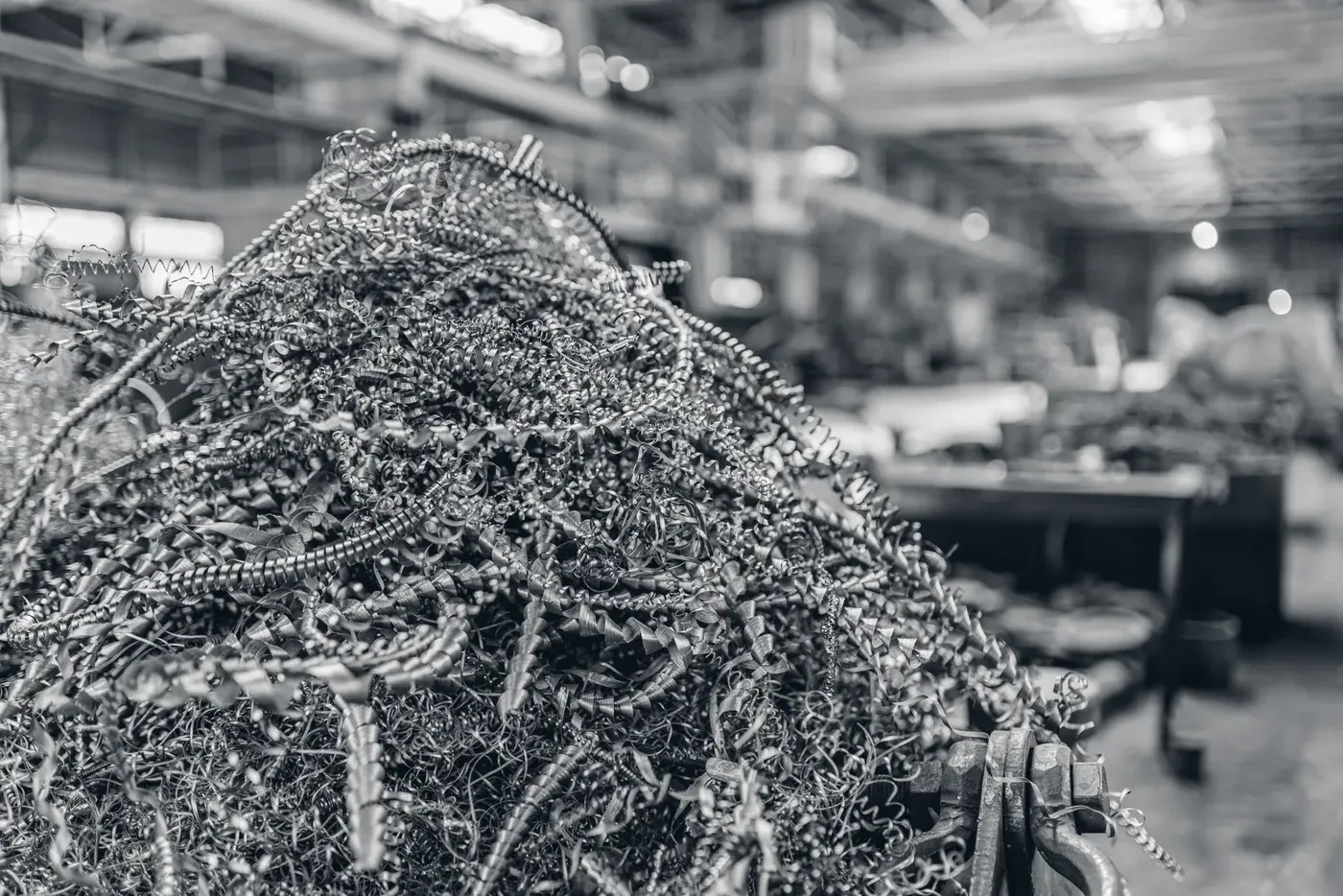
Steel scrap, aluminum, drums, cables, profiles, and mixed industrial metal waste.
For scrap metal recycling, aluminum recovery, drum shredding, cable pre-processing, and mixed industrial scrap reduction.

PCBs, IT equipment, appliances, data-bearing devices, cables, and electronic scrap.
For e-waste recycling, hard drive destruction, PCB pre-processing, appliance scrap, and mixed electronics recovery.

Municipal solid waste, bulky waste, commercial waste, RDF, and industrial waste.
For MSW, bulky waste reduction, commercial waste processing, RDF preparation, and industrial waste pre-shredding.

Paper rolls, archive batches, cardboard, packaging waste, baled paper, and high-volume paper waste.
For paper mills, archive destruction providers, cardboard recycling, packaging waste, baling, and pulping preparation.
Describe the material or share a photo with our team. We will help identify the relevant machine options and the requirements to check.
How to Choose
Compare how the material feeds, the output needed by the next machine, and the daily operating load. Together, these determine the shredding stage and configuration.
Tire reinforcement, plastic feed form, metal thickness, and mixed waste composition create different cutting loads. These differences guide torque, cutter geometry, feeding control, and wear protection.
Primary shredding makes bulky feed easier to handle. Screen-controlled or secondary sizing prepares material for granulation, washing, separation, baling, pulping, pyrolysis, or RDF processing.
Feed size, thickness, contamination, working hours, capacity target, and site layout affect the final configuration. BoRay reviews these details before recommending a single shaft, double shaft, standard, or heavy-duty shredder solution.
Compare Shredder Types
Compare primary reduction for bulky feed with screen-controlled sizing for the next process.
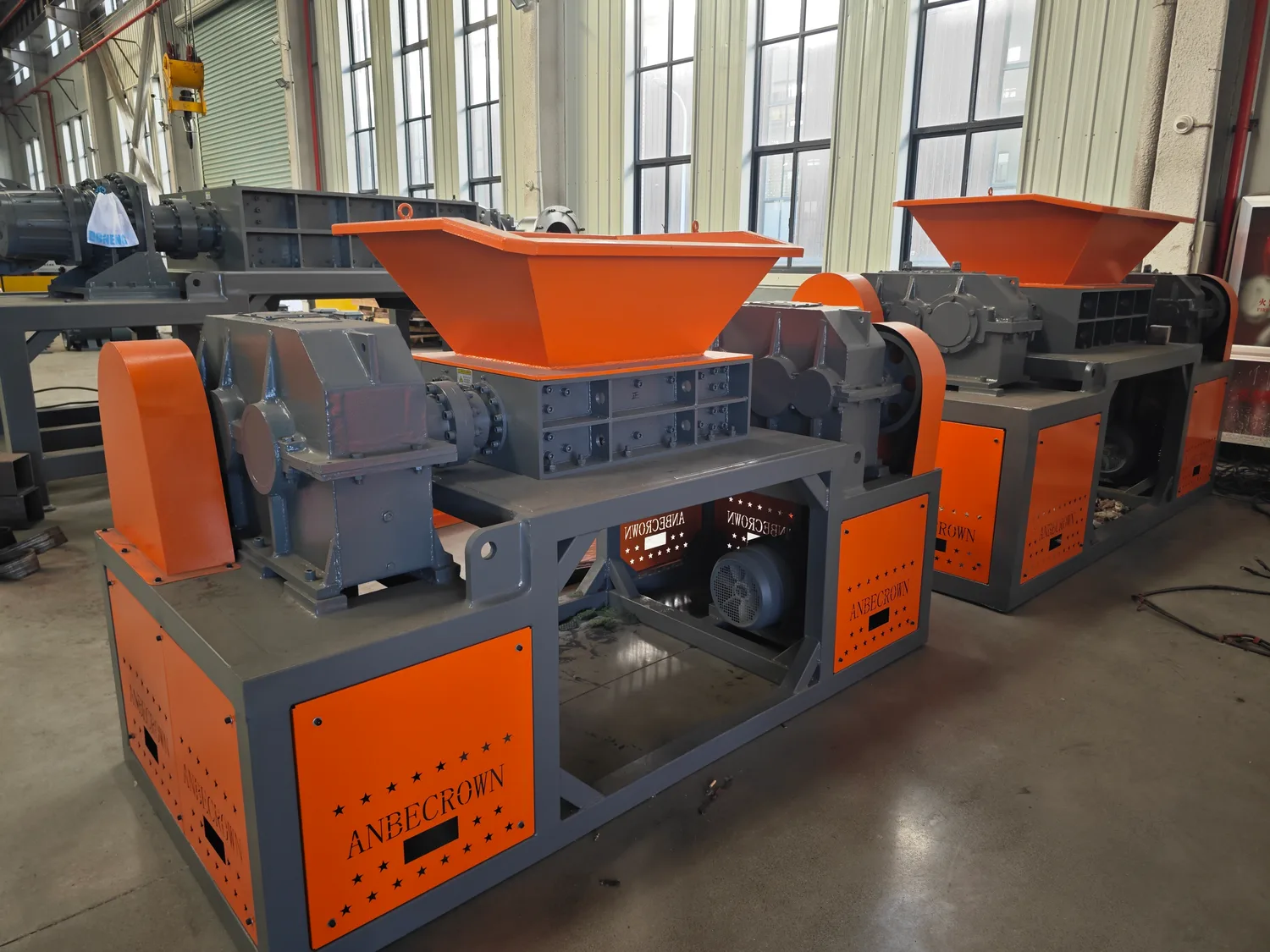
Recommended for bulky feeding, strong material grabbing, low-speed high-torque reduction, and front-end pre-shredding before sorting, separation, recycling, or further size reduction.

Recommended when the project needs screen-controlled output size, hydraulic pusher feeding, and stable reduction for plastics, industrial paper waste, wood, cable, aluminum, fiber, and selected industrial waste.
Before Quotation
Share these details when available. If you are still defining the process, start with the material and our team can help clarify the machine requirements.
Sample Testing
For uncertain or difficult materials, a sample test can show how the material feeds, tears, and discharges in real operation. Based on your material type, BoRay can test the shredding process and send video evidence for your review.
If photos or videos are not enough, you can send representative material samples to BoRay for a shredding test.
We review how the sample feeds, how it cuts, and the resulting discharge to assess the proposed configuration.
BoRay can record the shredding process and send you video proof, so you can review the output result before confirming the next step.
Factory Evidence
For overseas recycling projects, buyers need to evaluate both the application knowledge and the factory behind the quotation. BoRay shows real workshop production, assembly, and finished-machine checking before delivery.
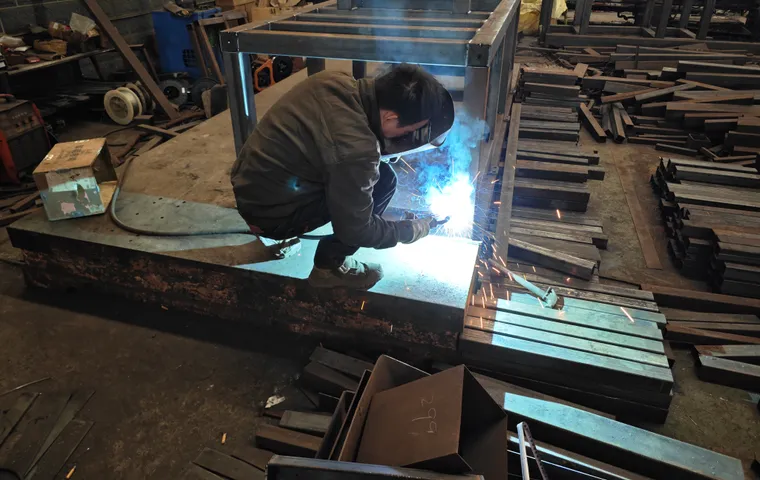
Heavy-duty frame work supports long-term recycling operation.

Chamber, shaft, and assembly details are checked before delivery.
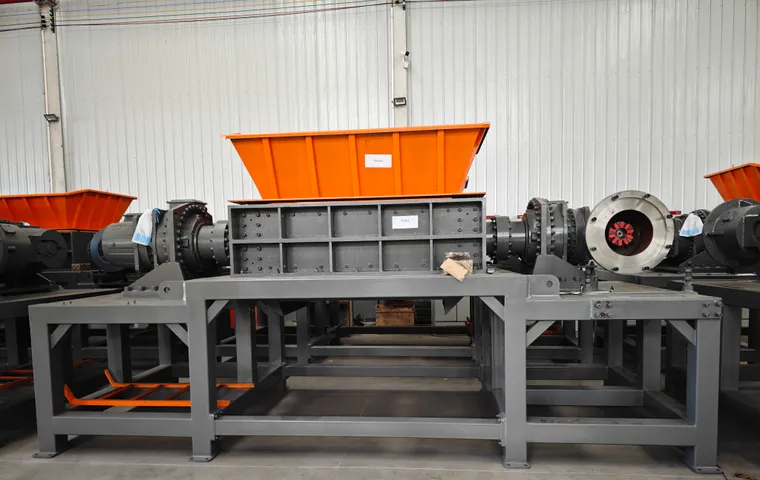
Machines are checked against the project configuration.