
Plastic Recycling · Equipment Comparison
Plastic Shredder vs. Granulator (Crusher): When to Use One or Both
In plastic recycling and in-house scrap recovery, a plastic shredder breaks down bulky, thick, or baled plastic into manageable pieces, while a blade-type plastic granulator (also called a plastic crusher) cuts smaller or pre-shredded plastic into 6–16 mm uniform flakes or regrind. Whether your line needs one machine or both comes down to three questions: does the feed fall within a single granulator's continuous cutting range, how fine must the output be, and how do throughput and maintenance compare?
On this page
1. Feeding and cutting mechanics: how the two machines divide the work
In an injection molding or extrusion plant, thin sprues, runners, and small thin-walled rejects can go straight into a granulator (crusher) for single-step size reduction. Yet a large, cooled start-up purge lump—even one small enough to enter the hopper—often cannot be fed directly into a standard granulator without bouncing on the rotor or triggering an overload stop. That difference comes from how each machine is engineered to feed and engage plastic:
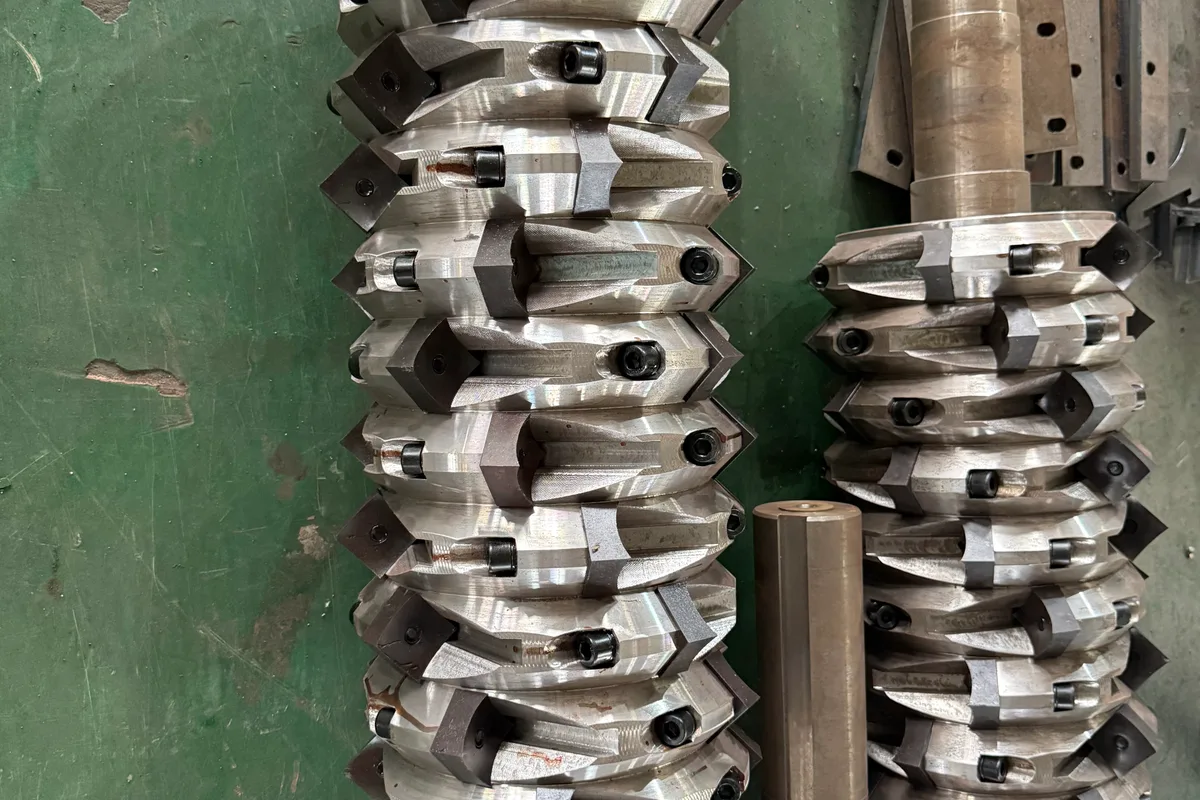
- Single shaft shredders (BoRay BRS / BRS-H series): load-controlled hydraulic pushing + low-speed progressive nibbling. Instead of relying on gravity alone, a horizontal hydraulic pusher (or heavy-duty swing-arm presser on BRS-H) advances the block against the rotating shaft according to main motor load. BoRay single shaft shredders use a quenched-and-tempered 42CrMo solid steel rotor fitted with bolt-on pocketed square/diamond knives (available in D2, SKD11, H13, or DC53, heat-treated to around HRC 56–58 for wear resistance on plastics). Turning at low speed with high torque, each pocketed knife takes a controlled bite off the surface of the lump as it passes the fixed counter-knife, breaking down heavy solid blocks smoothly without wedging the rotor.
- Double shaft shredders (BoRay BRD / BRDS series): twin counter-rotating shafts + hooked shear blades. For hollow plastic drums, IBC totes, pallets, or dense film bales that tend to bridge or slip on a single rotor, two low-speed shafts with intermeshing hooked cutter discs grab, tear, and shear bulky items down into coarse strips or chunks.
- Plastic granulators (plastic crushers): gravity drop feed + high-speed precision long-blade shearing. A plastic granulator feeds directly from the hopper into an open, semi-open, or heavy-duty staggered high-speed rotor fitted with long flat blades rotating past stationary bed knives at a tight, precision-adjusted clearance (often a fraction of a millimeter). This geometry excels at shearing sprues, thin-walled containers, sheet trim, and pre-shredded chunks into clean, uniform flakes with minimal fines. However, when a thick solid lump exceeds the rotor’s bite angle and single-pass shearing capacity, the long blade edge cannot slice through the full cross-section at once—without a pusher to meter the bite depth, the lump bounces in the chamber or trips the motor overload protection.
2. Screen apertures and output roles: 30–80 mm pre-sizing vs. 6–16 mm fine regrind
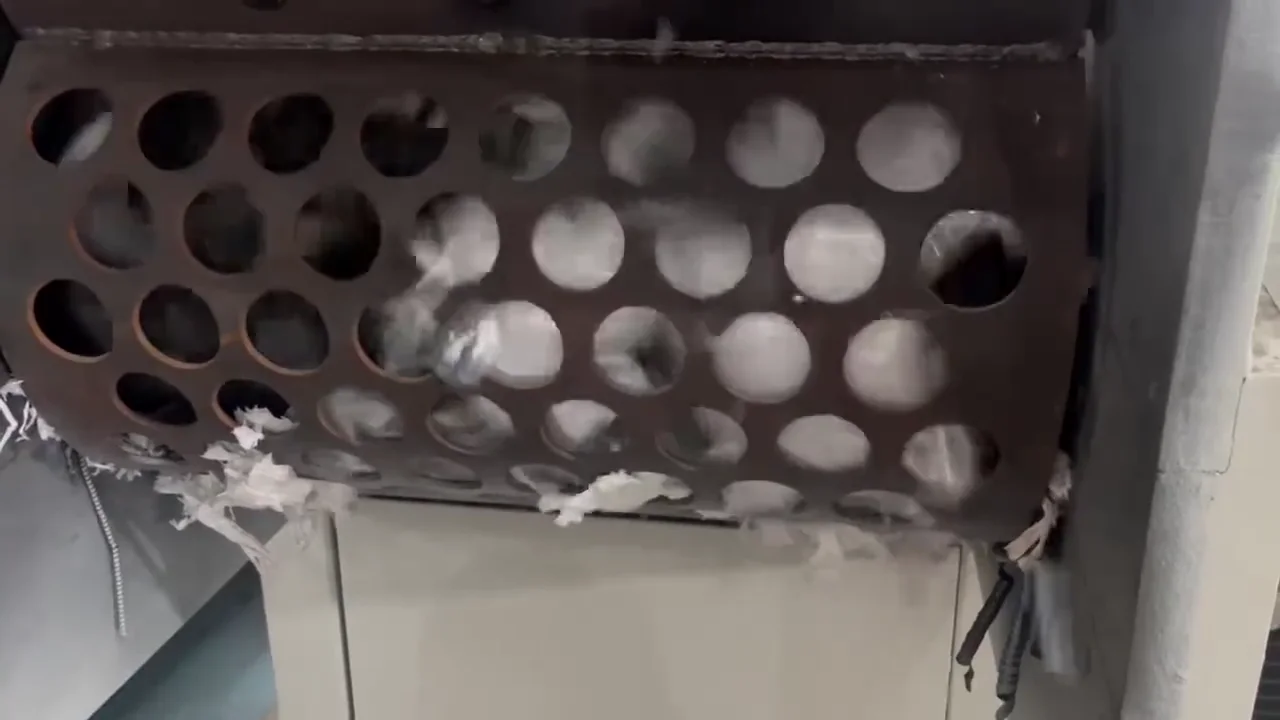
Both a single shaft shredder and a plastic granulator place a curved perforated screen beneath the rotor: pieces small enough to clear the holes drop through, while larger pieces stay in the chamber for another cutting pass. However, their screens serve different stages of size reduction:
- Single shaft shredder screens (typically 30–80 mm, BoRay standard Dia. 40 mm customizable): Designed to turn heavy purge blocks, thick pipe offcuts, or packaging film into controlled medium chunks or strips. With a 40 mm screen, a heavy purging is reduced into palm-sized pieces that either meet coarse washing/transport requirements directly or serve as ideal, steady feed for a downstream granulator.
- Plastic granulator / crusher screens (typically 6–16 mm): Designed to cut sprues, thin-walled parts, or pre-shredded plastic into uniform fine flakes or regrind ready for friction washing, air drying, extruder screw feeding, or direct proportional blending back into molding machines.
Keep in mind that screen hole size is not the exact size of every discharged piece. The screen aperture limits the cross-section that can pass through: a narrow strip or flexible film fragment can pass through end-first even if its length exceeds the hole diameter. Even if a shredder and a granulator were fitted with the same screen opening, their different knife geometries, cutting clearances, and rotor speeds would produce different particle shapes and proportions of fines.
3. When one machine is enough: matching common plastic scrap streams
Not every plastic recycling line needs both a shredder and a granulator. Whenever a single machine can take the incoming scrap steadily and deliver the particle size, shape, and hourly rate your next process requires, a single-machine setup is simpler to operate and maintain:
- Case A: A granulator (crusher) alone is enough. Standard thin-walled scrap—injection molding sprues and runners, blow-molding bottles and flash, sheet trim, and small thin-walled rejects—drops freely into the cutting circle and shears cleanly into 6–12 mm regrind in one pass. For moderate thick-walled moldings, housings, or smaller blocks within a defined size range, a heavy-duty granulator can also be evaluated as a single-machine solution, provided the whole piece can enter the blade bite angle and the rotor can cut continuously through its thickest section.
- Case B: A shredder alone is enough. When the goal is breaking down bulky drums, IBCs, pallets, or mixed plastic bales to save freight space or feed a sorting belt, a double shaft shredder (BRD / BRDS) handles the job in one step. And in film pre-washing lines or recycling processes where around 30–50 mm pieces meet the intake requirement, a single shaft shredder with a matched screen can finish the size reduction in one stage—see our real 30 mm plastic packaging film test video on a BRS single shaft shredder with a 40 mm screen.
Quick reference: 1 machine vs. 2 machines by plastic scrap form
| Incoming plastic scrap form | Downstream target | Typical equipment route | Key engineering reason |
|---|---|---|---|
| Injection sprues, runners, blow-molding flash, thin-walled rejects | Direct regrind reuse or pelletizing (6–12 mm flakes) | 1 machine: Plastic granulator (crusher) | Thin cross-sections feed by gravity and shear cleanly on high-speed long blades |
| Loose or pre-opened packaging film, woven bags, general production scrap | 30–50 mm output for pre-washing or densification | 1 machine: Single shaft shredder (BRS / BRS-H with 40 mm screen) | Hydraulic pusher and curved screen control discharge size in a single machine |
| HDPE drums, IBC totes, plastic pallets, mixed baled plastics | Volume reduction for shipping or primary opening before sorting | 1 machine: Double shaft shredder (BRD / BRDS) | Low-speed twin shafts with hooked blades grip hollow, bulky items without bouncing |
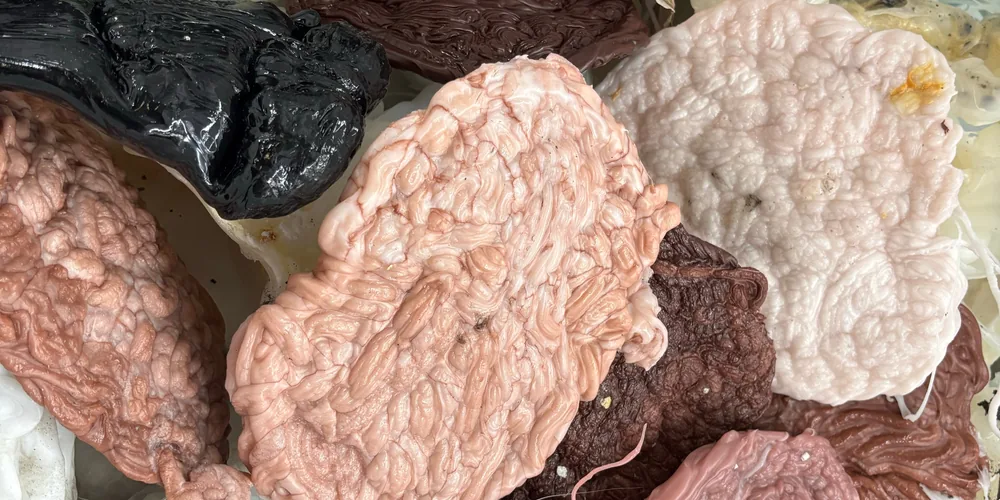
| Large solid purge lumps, start-up blocks, thick-walled large pipes | Fine 6–15 mm regrind for washing or extrusion pelletizing | 2 machines: Single shaft shredder + Granulator | Shredder progressively nibbles thick lumps to 30–50 mm chunks so the granulator cuts steadily at full efficiency |
| High-density film/raffia bales, large thick-walled hollow moldings | Fine 6–15 mm flakes for washing and pelletizing lines | 2 machines: Heavy shredder (BRS-H / BRDS) + Granulator | First stage opens bales or bulky shapes; conveyor feeds pre-sized pieces steadily into the granulator |
4. When to shred first and granulate second: 3 critical interface checks
Whether you are planning a new two-stage recycling line or adding a pre-shredder ahead of an existing granulator, when large purge blocks, thick-walled pipes, or dense bales exceed a single granulator’s continuous bite capacity while your downstream process requires fine under 10–15 mm flakes, shredding the large pieces first and feeding the pre-sized output into a granulator keeps motor current stable, extends blade life, and raises overall line throughput.
In a two-stage shredder-plus-granulator setup, smooth continuous operation depends on three interface details between the two machines:
- Match the shredder screen to the granulator’s optimal intake size: If the primary shredder discharges overly long strips, they can bridge across the granulator’s hopper throat; if the shredder screen holes are too large, overly thick chunks can still cause load spikes in the granulator. Size the upstream shredder screen (for example, 35 mm, 40 mm, or 50 mm) around the downstream granulator’s throat opening and rotor bite, and let the granulator screen (6–16 mm) define the final flake size.
- Coordinate transfer conveyor speed with the granulator’s continuous throughput: A primary shredder biting through large lumps often discharges in surges that exceed the granulator’s steady cutting rate. Connect the two machines with a transfer conveyor paced to the granulator’s hourly capacity, ideally with current-interlocked control so the conveyor pauses feeding automatically whenever the granulator motor reaches high load and resumes once the chamber clears.
- Include magnetic separation between stages to protect precision granulator blades: Plant scrap and post-consumer plastics occasionally contain stray bolts, wire, or metal inserts. While a low-speed shredder with thick pocketed knives can stop and auto-reverse on minor metal contaminants, a granulator operates with a tight, fraction-of-a-millimeter blade gap. Installing an optional magnetic separator (or metal detector) on the transfer conveyor removes ferrous tramp metal before it reaches the granulator, significantly extending blade sharpness and resharpening intervals.
Frequently asked questions
Can a plastic granulator (crusher) handle large solid purge lumps directly?
Standard medium-duty granulators are not designed for large solid purge lumps, which tend to bounce in the chamber or trigger overload stops. Specialized heavy-duty, large-throat granulators can process certain thick-walled parts or smaller blocks within a defined thickness range. Before choosing single-stage granulation for lumps, verify not only that the lump fits the hopper opening, but that it can drop into the rotor bite angle and be cut continuously through its thickest section.
Can a single shaft shredder with a smaller screen replace a granulator?
It depends on your required final particle size and hourly throughput. Fitting a smaller screen (such as 25–30 mm instead of 50 mm) on a single shaft shredder keeps material in the chamber longer for finer output, which also reduces hourly tonnage—and its output geometry differs from 6–12 mm granulator regrind. A single shaft shredder alone can finish the job when a real material trial confirms that its output size, fragment shape, and hourly rate all satisfy your downstream process.
When should you choose a two-stage shredder + granulator line, or add a shredder ahead of an existing granulator?
For a new line, choose a two-stage setup whenever your feed includes large solid purge blocks, thick-walled pipes, or dense bales and your final output must be under 10–15 mm regrind for washing or pelletizing. For an existing plant, if your current granulator produces the right flake size and rate on small pieces but stalls, jams, or requires workers to saw large lumps by hand before feeding, adding an upstream shredder removes the feeding bottleneck directly.
Is the output from a plastic granulator (crusher) the same as plastic pellets?
No. A plastic granulator (or plastic crusher) cuts solid plastic mechanically at ambient temperature into irregular flakes or regrind. An extrusion pelletizer melts the plastic, filters and extrudes it through a die, and cuts it into uniform cylindrical or round plastic pellets (granules). Shredding and granulation are typically the size-reduction steps that prepare scrap before washing and extrusion pelletizing.
Send material photos or arrange a trial to plan your 1-stage or 2-stage setup
BoRay manufactures industrial BRS and BRS-H single shaft shredders and BRD and BRDS double shaft shredders built with quenched-and-tempered 42CrMo rotor shafts and D2 / SKD11 / H13 / DC53 alloy knives, and can configure downstream plastic granulators (crushers), feeding and transfer conveyors, magnetic separation, and dust collection around your line requirements.
Whether you want to evaluate a single shredder or granulator (with sample testing or on-site trials available), plan a complete pre-shredder + downstream granulator two-stage configuration, or match an upstream shredder to an existing granulator in your plant, send us photos of your everyday feed and largest pieces, your target output size, and your required hourly throughput.
Contact BoRay to Discuss Your Plastic Shredding & Granulation Project