
BoRay · Selection Guide
How to Choose an Industrial Shredder: Start with Your Feed and Output
An injection molding plant wants to clear the purgings that pile up every day. A recycling yard needs to open collected drums and pallets before sorting. An RDF line has to turn mixed solid waste into material the next process can use. All three need a shredder, but each expects a different result. Whether a single shaft, double shaft or two-stage setup fits comes down to three things: what goes in, what needs to come out, and where the material goes next. This guide works through them in that order.
On this page
Start with where the material goes next
Shredding is rarely the end of the line. Afterward, the material is usually loaded and hauled away, fed to a granulator, washing line or sorting equipment, or sent on to fuel preparation. How far you need to shred depends on what comes next.
Shredding plastic drums so a truck carries more is a different job from feeding an existing granulator at a steady rate. The first only needs the material smaller and looser. The second needs output the next machine can take without trouble, so size, shape and the share of long strips all matter. Washing lines, sorting equipment and RDF preparation each have their own feed requirements as well.
So before comparing machines, write down one sentence: where does the shredded material go, and what does it need to look like? That sentence usually points the way more clearly than a spec sheet. The illustration below shows three common routes; the sections that follow explain each one.
Single shaft
The next process needs controlled output
- Purgings, thick-walled parts, film, wood, industrial paper: feed that can be pushed steadily onto the rotor
- Feeding, cutting and screened discharge in one machine
- Screen hole size controls discharge but is not particle size
Double shaft
The main job is to break down bulky feed
- Bulky, irregular and hollow items, packaging and mixed solid waste
- Two slow shafts turn toward each other and tear and shear the material
- No screen by default; output is coarse and uneven
Two-stage
Bulky, mixed feed, but the next process needs defined output
- Stage 1 breaks the material down
- Sorting between stages if the project needs it
- Stage 2 controls output for the next process
Material: look at the form, not just the type
The same polymer can arrive in very different forms. PE and PP can be solid purgings, thick-walled moldings, hollow drums, or baled film and woven bags, and each behaves differently in a shredder:

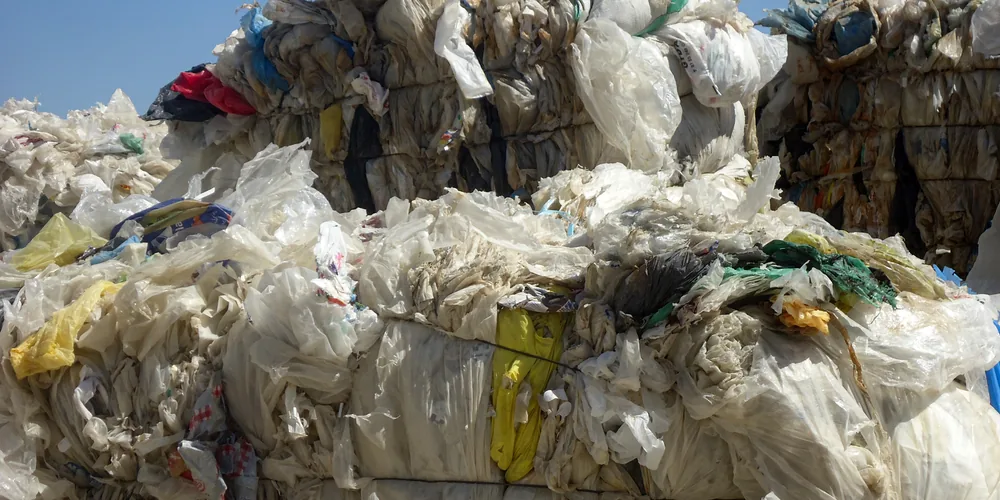
Other materials work the same way. With tires, look at tire type, size and whether steel wire is present. With metal, look at thickness and whether parts are hollow or solid. With e-waste, be clear whether the goal is recovery or physical destruction. With mixed solid waste, look at composition, moisture and how much it varies from batch to batch. For details by material, see the application pages: Plastic, Tires, Metal, E-waste, Solid waste and RDF, Industrial paper.
It also helps to be clear about what shredding can and cannot do. Shredded plastic is not clean plastic. A tire shredder can do primary size reduction, but that is not the same as producing crumb rubber. Shredding solid waste smaller does not by itself make it meet a fuel specification. Once the limits of this step are clear, the rest of the plan is easier to get right.
Size for the hardest piece, not the average
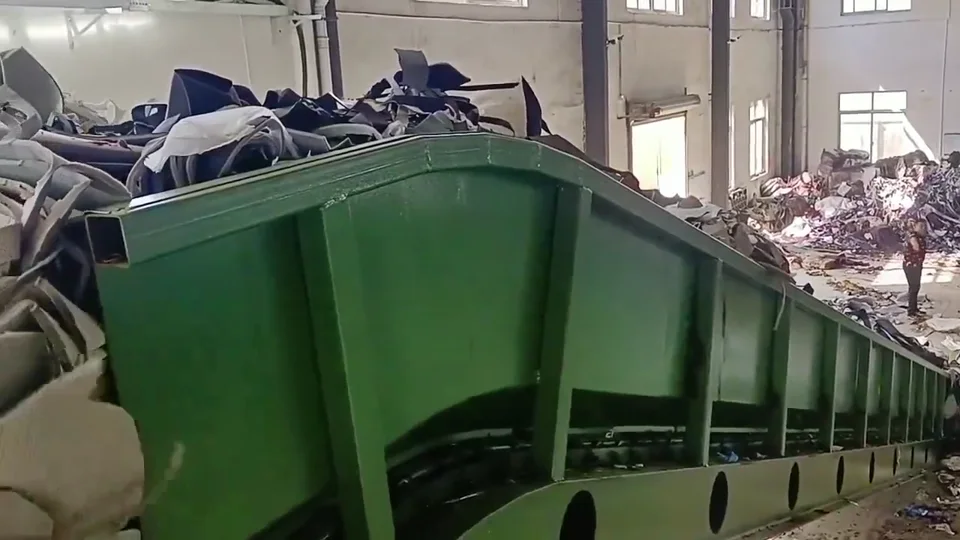
When asked about feed size, most people give a typical size, which is usually the average piece. Whether a machine runs reliably, though, often depends on the largest, thickest or toughest piece, and on how often it turns up.
If large pieces appear only occasionally, there are two ways to go. Size the machine for everyday feed and pre-process the occasional large piece, or move up a size. The first costs less in equipment but adds labor and time. The second is simpler to run, but you pay for a larger machine and higher running costs because of a few oversized pieces. Which is better depends on labor, space and time, taken together.
If large pieces arrive all day, they are not the exception. They are the main design condition.

EASY TO CONFUSE
Material that fits in the hopper will not necessarily be cut steadily. The feed opening, the cutting chamber and the actual allowable feed size are three different things. The cutting chamber size on a product page helps you judge the range, but it is neither the maximum feed size nor a capacity figure.
For purgings and thick-walled parts, see the detailed guide: Choosing a shredder for plastic lumps and thick-walled scrap.
Output size: screen hole size is not particle size
Work out the output requirement backward from the next process, rather than assuming smaller is better. The finer the output, the more work the shredder does and the lower the throughput usually is. If the next process does not need it that fine, that cost buys nothing.
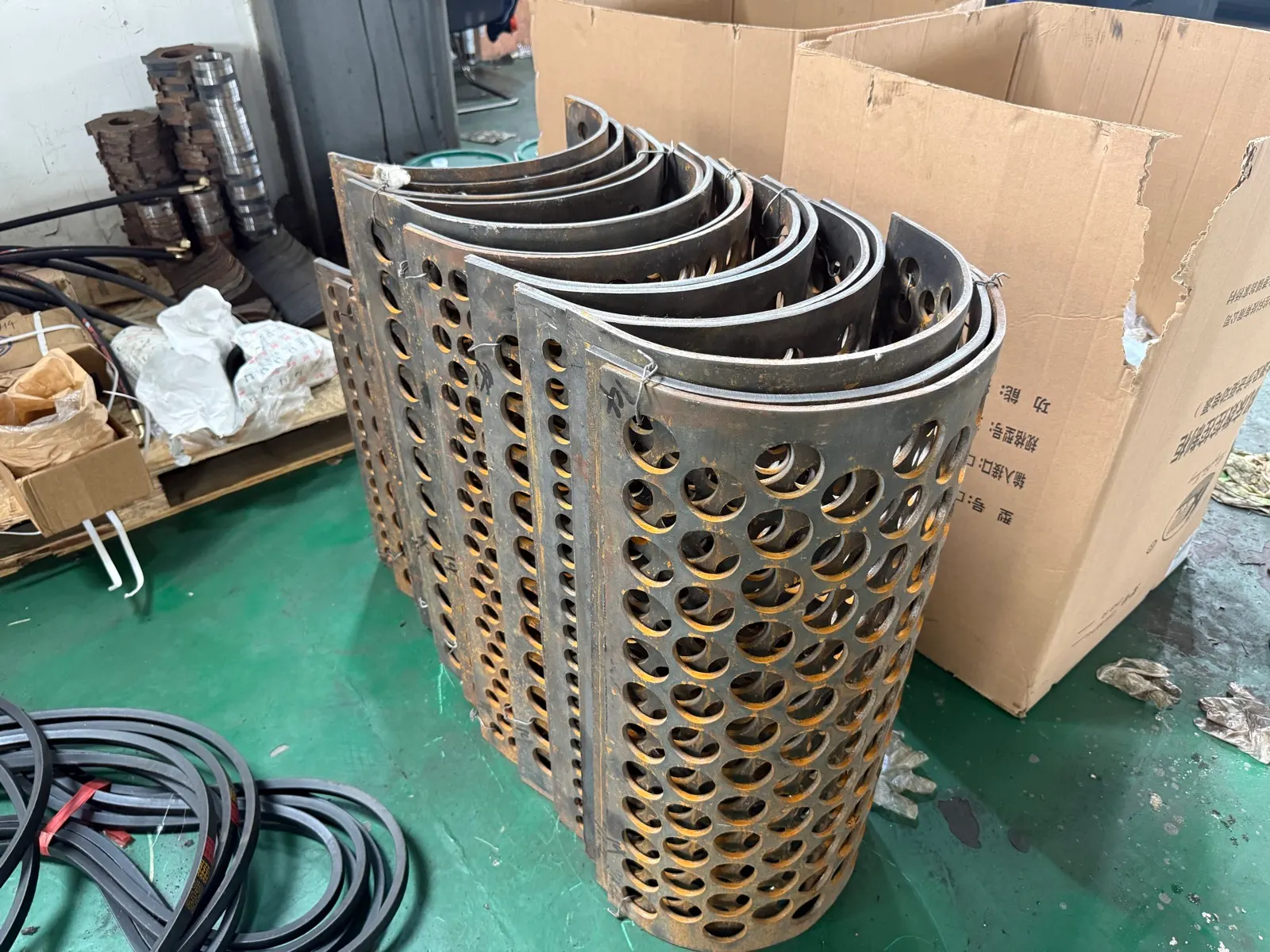
A single shaft shredder controls discharge with a screen. The screen under the rotor keeps material that cannot pass in the cutting chamber, where it is cut again until it can. That makes single shaft a good fit when output needs to be controlled. But screen hole size is not the size of every piece. The holes limit the cross-section that can pass; length, shape and size distribution still vary with the material. Film may come out as long strips, rigid plastic as flakes.
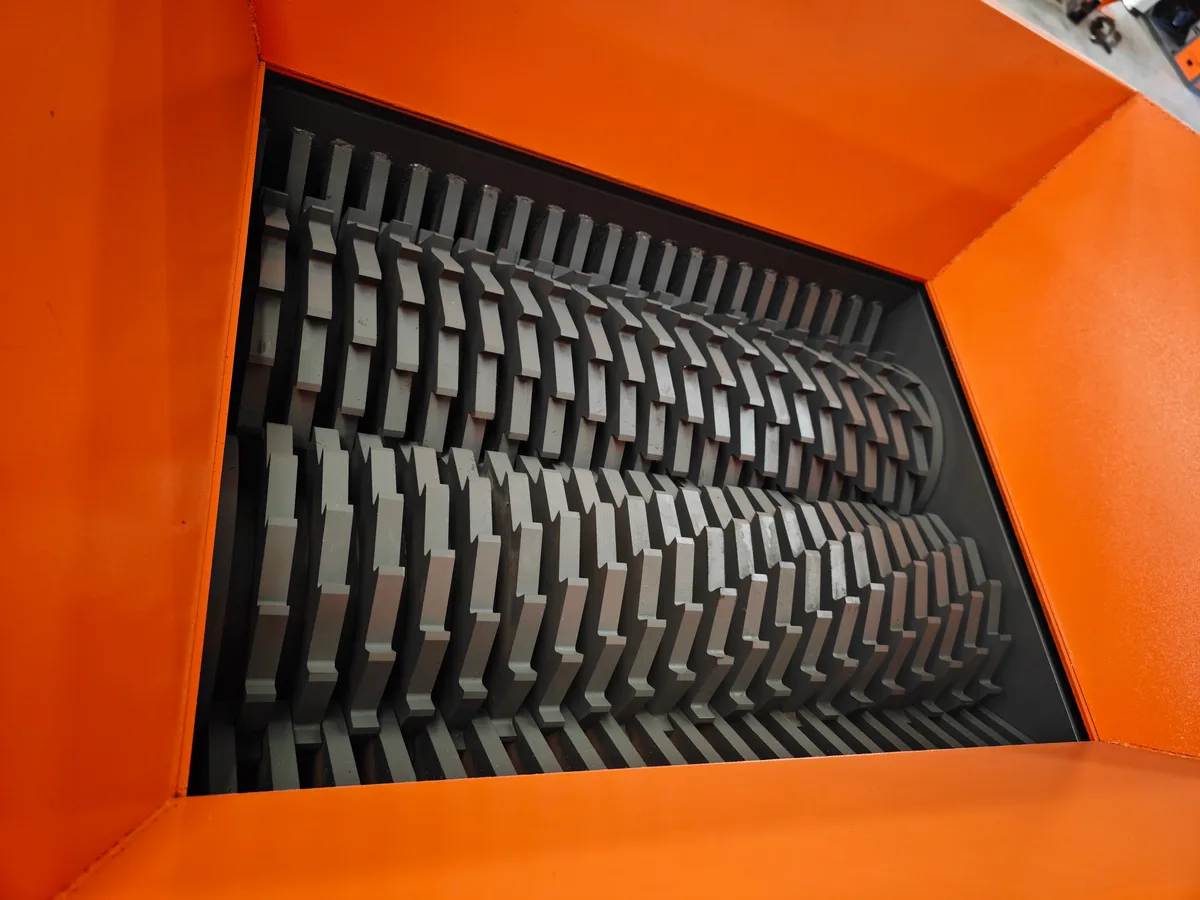
A double shaft shredder does primary size reduction and has no screen by default. Knives on two slow shafts mesh, tearing and shearing the material. The output is coarse and uneven, often strips or chunks. Knife thickness affects the output, but it does not set the final size either. A screen is considered as a special custom option only when output really has to be tightly controlled. More often, a second stage is added when a defined size is needed.
Contaminants and batteries: declare them early
Real feed is rarely clean. Metal parts, stones, bolts, inserts, pressurized or sealed containers and flammable residues all affect knife wear, downtime and safety. The sound approach is to say plainly what will go into the machine and what should be removed first.
Shredders usually have overload protection and automatic reversing, which help release jammed material and reduce manual intervention. These features handle load swings. They do not let a machine take anything, and they are no substitute for checking the feed. Before clearing a jam or touching the knives or screen, stop the machine and isolate all energy sources.
ABOUT LITHIUM BATTERIES
Lithium batteries are a fire risk during shredding, and we have not done much testing with batteries. If your feed may contain batteries, especially e-waste, remove them before shredding or tell us about them in advance so the case can be discussed individually. Do not assume they can go straight into the machine.


Single shaft, double shaft or two-stage?
Once the questions above are answered, the route is usually fairly clear.
Start with single shaft when the next machine has a feed size requirement and the material can be pushed steadily onto the rotor: purgings, thick-walled parts, film, wood or industrial paper. A single shaft shredder handles feeding, cutting and screened discharge in one machine.
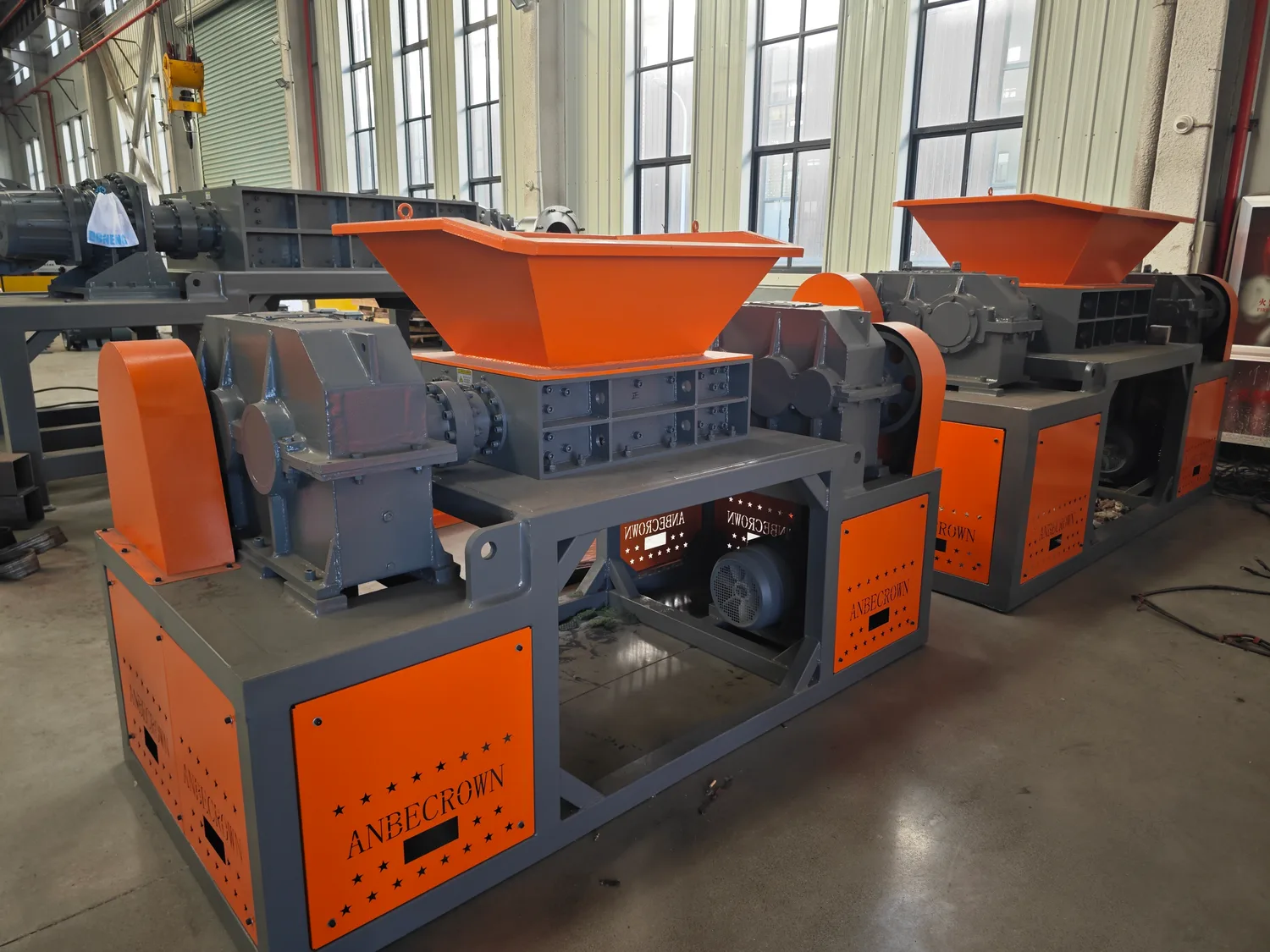
Start with double shaft when the feed is bulky, irregular, hollow, packaging or mixed solid waste, and the main job is to open it up and reduce volume. A double shaft (twin-shaft) shredder copes more easily with heavy, awkward feed; the trade-off is coarser output.
Compare two-stage when the feed is bulky and mixed but the next process needs defined output, or when sorting is needed in between. The first stage breaks the material down and the second sets the size. Two stages split the job cleanly, but add equipment, floor space and maintenance. If one properly configured machine can meet the requirement, a single stage is simpler.
A COMMON RULE OF THUMB
"Single shaft for soft material, double shaft for hard material" is not reliable. The two overlap a lot: a heavy-duty single shaft shredder can handle suitable bales and bulky items, and a double shaft shredder can be followed by further size reduction. The real dividing line is whether one machine can process the feed steadily while meeting the downstream requirement. Also, the number of stages is not the number of shafts.
| Situation | Usually evaluate first | Watch for |
|---|---|---|
| The next process needs controlled output, and the feed can be pushed steadily onto the rotor | Single shaft | Consider the screen, feeding method and downstream intake together |
| Bulky, irregular items or packaging, where breaking down and reducing volume comes first | Double shaft | No screen by default; output is coarse |
| Bulky, mixed feed, but the next process needs defined output | Two-stage | More equipment, floor space and maintenance |

For a detailed comparison of the two machine types, see Single Shaft vs Double Shaft Shredders: How to Choose. For RDF projects, see also: RDF Preparation: Shredding, Sorting, Conveying and Briquetting · Single-Stage or Two-Stage RDF Shredding?. Models and specifications: BRS and BRS-H single shaft shredders · BRD and BRDS double shaft shredders.
Throughput: motor power is not the whole story
Throughput gets the most attention and is the easiest figure to misread. Rated motor power describes only part of the drive configuration and cannot be converted directly into tons per hour. On the same machine, throughput can change noticeably with a different material, a different feed form or a smaller screen.
When comparing proposals, the conditions behind a number matter more than the number itself. If the conditions do not match, putting two figures side by side tells you very little.
Beyond the shredder itself, what a line actually achieves depends on whether feeding stays steady, whether the discharge conveyor clears material in time, and whether the next machine can accept it at that rate. Maintenance counts too. How knives and screens are inspected and replaced, and how the drive is serviced, directly affect long-term downtime and cost.
TEST FIRST
When the feed is unusual, or you are not sure what result to expect, the most reliable step is a real test. You can send your own material for testing, or we can provide material and test on site. Include both everyday feed and the hardest material, so the result is meaningful.
What to prepare before you contact a supplier
You do not need every parameter in hand. Whichever supplier you talk to, having these ready makes the conversation much easier:
Everyday feed and the largest pieces, ideally with something for scale
Where the shredded material goes, or what problem you want to solve
Rough size range and main contaminants, especially any batteries
Target throughput, operating hours, existing downstream equipment; estimates are fine
When you have these, you are welcome to send them to us and we can look at which route fits: contact BoRay
Frequently asked questions
Can I start choosing a shredder before the output size is fixed?
Yes. Start with the machine or process that will receive the shredded material. Its feed requirement is the starting point for the output size.
Does a bigger motor mean higher throughput?
Not necessarily. Motor power is only one part of the drive configuration. Throughput also depends on the material, its form, the output requirement and the rest of the machine configuration.
If I use a 40 mm screen, will the output be 40 mm?
No. The screen hole size limits the cross-section that can pass, but the length and shape of the pieces still vary with the material. If the output has a firm specification, agree on how it will be measured and confirm it with real output.
Can a double shaft shredder control output size?
A double shaft shredder has no screen by default, so its output is coarse. When a defined size is needed, a second stage is usually added after it. A screen is a special custom option, considered only when output really has to be tightly controlled.
Can e-waste containing lithium batteries be shredded directly?
We do not recommend it. Lithium batteries are a fire risk, and we have not done much testing with batteries. Remove them before shredding, or tell us about them in advance so the case can be discussed individually.
Can I test before deciding?
Yes. You can send your own material for testing, or we can provide material and test on site.